Episode 17
OutGrow Therapeutics: Speech, OT & Behaviour Therapy as One Team
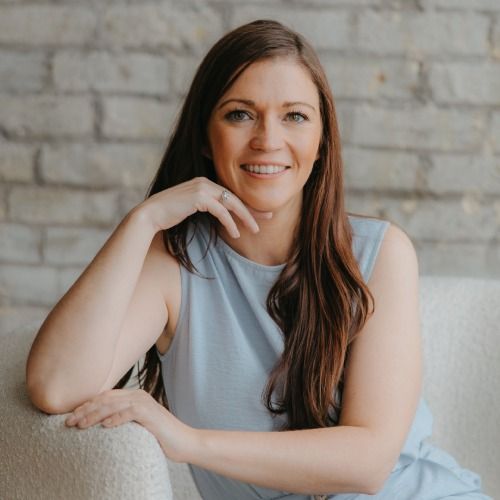
Meet Martie Goldberg (MS. CCC-SLP, BCBA) and Megan Dore (COTA-L), founders of OutGrow Therapeutics - a group of US-based clinics born from a simple but powerful realization: Pediatric therapy works best when it honours the whole child and supports the entire family.
Martie & Megan bring over 20 years of combined experience to their practice, but the heart of their practice comes from their own life-changing shifts.
OutGrow grew out of a period of deep reflection. In 2021, while Martie was taking time to focus on her health during a battle with breast cancer, she and Megan used that time to dive into new research on brain development and sensory integration, listening to the lived experiences of the neurodiverse community, and realizing that the medical model of therapy often missed the mark. This information, paired with Megan’s own "lightbulb moments" as a mom navigating the daily realities of her neurodiverse children’s self-regulation, inspired them to build something different - a practice where clinical expertise meets the messy, beautiful reality of real-life parenting.
Timestamps:
(01:31) - Welcome
(02:21) - Meet Martie & Megan
(13:09) - The Importance of Collaboration in Therapy Practices
(25:58) - Sensory Matching in Therapy
(36:17) - Messy Fun Activities In Therapy
(53:21) - Early Intervention Scenarios
(01:01:21) - Transitions For Neurodiverse Children
(01:07:45) - Child Behavior and Collaboration in Therapy
More On The Founders of OutGrow Therapeutics::
- Martie Goldberg: As a Speech-Language Pathologist and BCBA, Martie spent over a decade working in schools and clinics from New York to Texas. But it was her personal health journey that truly reshaped her mission. Today, she’s passionate about merging language development and behavior principles with emotional regulation to help parents move away from "managing behaviors" and toward understanding their child’s unique way of learning. She’s also a published children’s author, always looking for creative ways to empower families.
- Megan Dore: Megan’s background in Developmental Psychology and Occupational Therapy gave her the tools, but motherhood gave her the "why." After years of working as a clinician, raising her own children taught her what the textbooks couldn't: how sensory and emotional regulation impact a family’s day-to-day life. Megan believes that play is the ultimate foundation for growth, and she uses her dual perspective as a clinician and a parent to help families build genuine rapport and connection.
Together, Martie and Megan bridge the gap between complex neurological research and the practical needs of families. Whether they are addressing ADHD, autism, or developmental delays, the core of their work is about more than just hitting milestones. They focus on helping children build the deep self-awareness they need to become their own best
Follow OutGrow Therapeutics:
- Instagram: @outgrowtherapeutics
- Facebook Page: OutGrow Therapeutics
- LinkedIn: OutGrow Therapeutics
Find more information about Martie and Megan here:
Mentioned In This Episode:
Sensory course for therapists:
****
Visit The Sensory Supply for the best in sensory products to soothe, stimulate, and inspire.
Learn about our clinic Elemenoe where we work to reach milestones together through speech, language, behaviour & learning.
Visit neurodiversallyspeaking.com for all podcast & show info:
Follow us:
Contact:
Have a question or a topic that you'd love to hear on the show? Get in touch with us at hello@neurodiversallyspeaking.com
Transcript
Okay, we're gonna move on to something a little fun. I thought it'd be really fun if we did sort of like a game show. We're gonna ask you guys some questions one at a time.
Who is the most likely to start, like, singing a silly song in a session?
Megan:I honestly think it would be Martie.
Yeah, I think I might rely on some music, but Martie's gonna definitely make up a song and get some rhyming or alliteration in there to really make some music. For sure.
Shawna:Nice.
Brittany:Martee, do you agree?
Martie:Yeah, definitely.
Brittany:Hey, everyone. I'm Brittany, speech language pathologist.
Shawna:And I'm Shawna, behavior analyst.
Brittany:And we're your hosts at Neurodiverally Speaking.
Shawna:This is a podcast where we bridge the gap between research and practice, exploring autism and neurodiversity through the lens of speech and behavior.
Brittany:Whether you're a parent or a professional, we'll give you practical tips to bring into your home or your next therapy session.
Shawna:Let's get started.
Narrator:Welcome to the Neurodiverally Speaking podcast with Brittany Clark and Shawna Fleming from lmno, brought to you by the Sensory Supply.
While we aim to make Neurodiverally Speaking suitable for all audiences, mature subject matter can sometimes be discussed, suitable only for those over the age of 18.
If you're under the age of 18, please talk to your parent or guardian before listening to our show or listen together with them to stay up to date on new episode releases and show updates. Connect with us on Instagram eurodiversityspeaking.
You can also send us listener questions to address on the show at hello@NeurodiverallySpeaking.com Neurodiverally Speaking starts now.
Brittany:Hey, everyone. Welcome back to Neurodiverally Speaking. I'm Brittany, a speech language pathologist and
Shawna:one of your hosts. And I'm Shawna, a behavior analyst and the other host.
Brittany:Together, we run Elemento, where we integrate speech, behavior, and learning supports for autistic youth and children and teens. And today we're talking about collaboration between families, clinicians, and disciplines.
And something we're all really passionate about is this collaborative approach. We're really excited to have some guests on today.
Shawna:We're thrilled today to be joined with two awesome clinicians from Out Outgrow Therapeutics. We've got Marty, who's a speech pathologist and behavior analyst, and then Megan, certified occupational therapy assistant.
And today we're really excited to dive into collaboration and shared lessons that we've learned along the way. Hey, guys.
Megan:Hello to be here.
Shawna:Awesome. Do you guys want to start by introducing yourselves?
Brittany:Maybe?
Shawna:Marty, we'll start with you.
Martie:Sure. Yeah. So I'm Marty. Like you mentioned, I'm a speech language pathologist and board certified behavior analys.
And so I really love to focus on the why behind behavior and how language and behavior intersect and interact with each other. I have a really big focus on functional communication skills when I'm working with kids.
I love to help kids find their voice and to help parents and educators really understand what a child is actually trying to tell us through their behavior or through their attempts at communication.
Brittany:I love that.
Shawna:And certainly what we're really passionate about too. And then, Megan, how about you?
Martie:Yeah.
Megan:So I am a certified occupational therapy assistant and I have a background in developmental psychology. And my lens has definitely shifted as we've collaborated. And I have lots more knowledge about that communication and understanding behavior.
But the way my focus in my brain automatically tunes in is trying to unravel any behavior by paying attention to the sensory processing and the emotional regulation clues that are coming from.
Okay, so really, basically I'm looking at how a child actually feels in their body and what those intrinsic sensory preferences are that are kind of driving them to seek out regulation to help them feel okay.
And anytime that I'm working with a child, I'm really just trying to use play to help them feel safe and regulated and actually ready to learn or participate in whatever it is that, you know, they're being required to do.
Brittany:Yeah, love that for sure. And I think that's that big thing that brings us all together, right? Is that learning through play.
And we all discovered that that's really like, how it all comes. Megan, I also noticed there's a tail behind you. You have like a very quiet dog.
Megan:Oh, I'm really hoping that she remains that. And thank you for getting that. She will stay a very quiet dog. But yes, there's a whole bunch of little critters running around my house.
Brittany:I love it.
Megan:Cats and dogs and the chickens are out there, but oh, my gosh.
Shawna:So you're definitely an animal lover.
Megan:Yeah, we have lots of pets. Somebody asked me the other day, do you just like pets? Yes, and I guess we do.
Both My kids love to have pets and I always grew up with lots of pets and we just seem to keep collecting them.
Brittany:I love that. So you're a clinician and also a mom and a dog mom and a chicken mom.
Megan:Dogs, cats, chickens, fish, whatever. Whatever stuff you want to come home with, I seem to be accepting of.
Martie:Oh, that's so great.
Shawna:So great. Currently my 5 year old really wants a pet, but I've been pushing back on him because I'm not sure what.
Brittany:What pet would be appropriate for a 5 year old?
Shawna:We are looking at sea monkeys. Have you heard of these? They like come in a package and you put them in water and they like start growing or something.
Brittany:Yeah.
Megan:That's like their whole lifespan. It's not a bad place to start.
Brittany:Okay.
Shawna:And they're very easy way to give
Megan:in and say yes.
Brittany:Yeah.
Megan:Yeah.
Shawna:I was. He really wants a lizard and so he's working up to save money for a lizard.
Brittany:But.
Shawna:Yeah.
Brittany:So fun.
Megan:Yeah.
Brittany:Oh my gosh.
Shawna:I want to make his dreams come true, but I'm not quite as flexible as you, so. Yeah.
Brittany:Yeah. Can't imagine having a zoo in the back of a. Not a zoo, but for me, that's how it feels. I'm not an animal person. No.
Megan:Ok. A lot of people say so you must have a farm.
Brittany:Yeah, you're right. It would be a farm.
Martie:Type A versus the type B personalities.
Shawna:Exactly. Okay, so let's hear a little bit about your story.
Brittany:Like, how did you two come together?
Martie:Yeah. So we have kind of an interesting story.
Megan and I met because we were working together at a traditional therapy clinic setting and we shared some of the same clients. I was seeing them for speech therapy and Megan was seeing them for occupational therapy.
Brittany:Right.
Martie:And so we kind of quickly realized that we spoke the same language when it came to neurodiversity affirming care. And we found ourselves in the hallways kind of geeking out over a client. Yeah.
Megan:And I mean, we just saw that like our professional styles weren't just compatible. It was really like, you know what?
Felt that we needed to kind of move from just this clinical setting into our own space to kind of move that needle and shift the approach to therapy that we wanted. Yeah. So we just had a ton of common outside of work along with inside of work. And that's kind of what kicked off a friendship.
And from there we really started spending a lot of time together.
But yeah, it just started out of that foundation that we both had the same, you know, kind of qualms with the traditional therapy approach and just what we wanted to do with our careers.
Brittany:Mm.
Shawna:Cool. And that's very similar to us actually as well.
We met at a separate place and we're collaborating in the hallways and always having interesting discussions. And actually we were chatting with someone earlier this week who was like, but how do you guys do it?
Like, how do you really Find the time to collaborate. How do you have the money to collaborate? Right.
We talked a lot about, like, as a business, it's expensive to do collaborative care and make sure you have the time and space for those discussions. And that's why we ended up making a shift, too, and thought, oh, we'll do our own thing, because then we can build the model that works for us.
And does that resonate with you guys? And how's that experience been?
Martie:Yeah. So, like Megan mentioned, we had a lot of similar hobbies and interests outside of work.
And so we were kind of forced into having the time because I was diagnosed with breast cancer.
And so during that time, Megan and I maintained our friendship, and she would come over and spend time with me, and I would talk to her about how I was coping with treatment. Right. Managing the physical pain, the emotional stress.
And it made me realize that all of my coping mechanisms were always through sensory experiences.
Megan:Right.
Martie:The world around us is all sensory. And so, you know, meditating, walking, working out, journaling. There's a sensory component to all of those things.
And then also just sharing with her, like, communicating to others what I needed help with or how I was feeling. That's what helped me to feel supported.
Brittany:Yes.
Martie:I also used a calendar, right, to make sure that I could foresee all the doctor's appointments and treatments that I had during a week. And then I was also celebrating my small wins, like the end of chemo, the end of radiation after my first surgery.
And inevitably, Megan and I's conversation would always go back to how these things that were helping me cope as a human being can't be discarded. When we're working with all of our clients, our clients are people, too.
They're not children that, like, need help with just their speech and language skills or just their fine motor skills, like their whole people. And they're coping with a world around them that is not built for their learning style. It's not built for the way that their brains work.
And so once we realized how much the impact of, like, what I was going through also really related to the kids that we worked with. Yeah, it helps to shift from, like, one dynamic to, oh, my gosh, well, how can we support these children as a whole? Right.
They need to be safe and secure. They need to understand what's expected of them. They need to know that someone's there to help them.
They need to know how to communicate what they need help with so that then get those things in place and then target whatever the skill might be that they needed to Work on for sure.
Brittany:I love that.
Shawna:And like, as moms, that's definitely our experience too. Right.
Like, you see your kids in the moment and you've been doing all these different, maybe as a behavior analyst coming in, being like, okay, what strategies? What's the skill that's missing? But really taking that step backwards to see the whole picture and see them as this, like, yeah, like this human.
Right.
And not just an intervention or not just that next step is certainly something that we've learned as parents and clinicians, you know, and so that's very cool.
Martie:I also learned that, you know, a lot of the time, some of the side effects I was having, I was just in that 5%. I wasn't in, like the, oh, in 80% of people, we see this and don't worry, you're not going to experience this. It's only a 5% of people.
That's true for our kids, too.
When the research shows, like, oh, 80% of kids respond to this, well, what about the 20% of kids that respond to something else that isn't as well researched? It doesn't mean that it doesn't work or it doesn't happen. It just means that it's not as well studied.
Brittany:Right.
Shawna:And I think, again, as applied clinicians. Right. This is what we're seeing on the ground is the.
That research to practice gap, and that's again, like an area, and this is why the four of us align so well, is that research to practice gap is what we see all the time. Right. And you're not going to see really these customized individualistic plans in the research because that's not the way the research is designed.
Right. We know the principles that work and we know the underlying theory behind it.
And we have, like a good understanding of why this intervention or this approach might be appropriate. But the nuances of that approach. Right.
And that's certainly something we love to chat about on the podcast is like, we were just chatting about behavior contracts, but there's so many layers to a behavior contract and ways you can customize them or change them or adapt them to really suit the unique person in front of you.
Brittany:Thanks for sharing about your own story too, and just being transparent that, you know, we're all just human. I think it's such a good reminder that, that whatever our life looks like, we bring that into therapy because we're humans too.
And like you said, there's so much sensory experience behind what you went through and, like, how you are coping and stuff. And I think that our life experience Just makes us better clinicians.
Shawna:Yeah, exactly. And like that, it's like that mindset, right.
Not just like a method of here's the best practice and here's what collaboration is going to look like and how we do interdisciplin disciplinary treatment. It's like from the beginning, my mindset is that people are complex. Being a human is complex.
Brittany:Yeah.
Shawna:And so taking this holistic view and coming up with your sort of approach to therapy or approach to skill building, approach to responding is complex then, because the people are complex.
Brittany:Right.
Megan:I just, you know, something that resonated that you said that like, how much, how do we afford to collaborate or where do we find the time to collaborate?
And I think something that we've noticed as we collaborate is how much you grow and learn in your own treatment and your own approach, that it actually saves you time in the planning, in the troubleshooting.
And that time, you know, can kind of shift from, okay, I need to come up with really lengthy lesson plans or plan out so far and try to troubleshoot this on my own, do the research.
When we collaborate, we have such a more streamlined approach and such a, you know, we find more time because we've kind of front loaded it in a certain way that can go into our sessions and you know, as a whole. Yeah. Like how we're approaching it differently.
Brittany:Yeah, you're absolutely right. And I think that what we all believe is that collaboration makes us stronger as clinicians, which is what you were saying.
And it's better for us as clinicians, it's better for the client, it's kind of better for everybody. Right. So I feel like that's a perfect segue into, I wanted to bring us into like kind of a fun.
What are some things that you learned from your business partner? So again, on the call here we've got speech pathologists, behavior analyst and occupational therapy assistant.
What are some things that you've learned from your business partner that you use in practice? And you can't imagine like unlearning, like, I would never do it this way again, or I can't imagine like unlearning this piece.
So I'll kind of hand it over to you guys. If you wanted to start, Megan, as the OT or representative of OT here, what's something that you've learned from like speech and behavior from Marty?
Megan:Gosh, it's hard to like pinpoint certain things, but, but as far as functional communication has become such a term that we use so consistently.
And now I truly understand what that means and I Can't imagine ignoring that as part of our approach to therapy, that the child has to be able to advocate for themselves. A child has to be regulated in order to access the skills to advocate for themselves.
So I can never unlearn how well sensory and functional communication pair together and really what that refers to. And it's not something that we really come across across too much in ot.
You know, here and there, of course we use communication supports, visual supports, you know, stop. Oh, yes. No. But that's as far as our functional communication education really goes, from what I've experienced in the clinic.
And then the other part of it is how well, sensory and behavior. We have some more knowledge of the principles of behavior in the OT world.
We love to lean on sensory, but understanding that sometimes that sensory behavior or what we're, you know, determining the function of that behavior is sensory might not always be the case.
Brittany:Right.
Megan:So just having that knowledge of how to kind of pick apart a behavior and really identify the function and then actually put some behavior principles in there and not just solve everything with a sensory support or a sensory activity, I love that is a way to recognize how behavior is different than sensory. And yes, sensory can drive it. But having the knowledge of behavior principles with sensory supports and approaches, complete game changer.
Brittany:Love it. Love it. Can't agree more. Yeah, beautifully said.
And I do feel like sometimes we've collaborated with someone who's like, oh, perfect, just give him a chewy tube. You know, it's all sensory.
And like, I like you identified, like, sure, we kind of always default to going in with a sensory replacement or tool, but then it's not always the solution.
Shawna:And the behavior principles are going to be key to making that tool effective.
Martie:Right.
Shawna:It's like the child's not going to pick up the chewy just like. Or maybe they will, but unlikely to do it just like automatically and be using this as a replacement behavior.
You know, that's a lot of regulation and a lot of skills that you're expecting this child to just know from osmosis.
Martie:Yeah, yeah.
Shawna:And so really it's like the tools and that perspective of like, oh, understanding that maybe it serves that need. But then like you said, those behavior principles really helping to like, maximize or hopefully push forward the success of those
Megan:tools and to actually shift the behavior from whatever they're currently compensating with to what we actually know that they will be more successful doing with the use of both of those things paired together. Right. Sensory and behavior.
Shawna:Yeah, exactly.
Brittany:I can hear just in the way that you speak, Megan, that you are living and breathing the collaborative model like you, you're, you speak like you spend every day with a behavior analyst.
Shawna:I love it. I love it.
Megan:You know, I say all the time that having Marty in my corner as both, you know, someone to work as a partnership with and collaborate with for work reasons and for, you know, serving the population and the families that we serve, but also for it's really self serving, it comes into my household. I have one neurodivergent child and one who seems a little more neurotypical.
Brittany:Yeah.
Megan:I also have a child who has type 1 diabetes.
So, you know, managing through that and just relying heavily on Marty's behavior knowledge and kind of like how to put positive reinforcements in place and it's just, you know, really come full circle that I do live and breathe it because in my corner for every, like, oh, I'm not quite sure why my child is doing this, even though I have all this knowledge.
Brittany:Yeah.
Megan:So it really creates that, that bridge from like our collaboration as two professionals in the therapy world also to, you know, in my living room and even how my parenting with, you know, how that goes. Because getting on the same page, parenting, there's behavior principles involved a lot in that as well.
Brittany:Yeah, exactly. I love it. Okay. Amazing, amazing. Thanks, Megan, for sharing all that too, about your own personal experience and how that shapes you as a clinician.
Okay, Marty, what about you?
Martie:So I think the biggest, biggest thing is, you know, as behavior analysts, sure, we learn that there is a sensory function, but after diving deep into sensory, oh my gosh, like behavior analysts need to know more about sensory because, gosh, there's eight sensory systems. Like, we don't learn that in school and we could be seeking or avoiding input to any one of those systems.
And so it's one thing to be able to identify a function as sensory, but then to be able to have, you know, the menu of all of the supports that can be used and can be utilized and offered to children, like, we didn't have that knowledge. So it is, I mean, there's no price I can put on learning that information.
I mean, just for an example, like if we have a child who is escaping or trying to avoid seated work and we're thinking like, oh, they just don't want to sit here, they don't want to do this work or you know, it's a skill deficit.
Megan:It.
Martie:And then you put them on a yoga ball and let them bounce around and they can have a back and forth conversation with you and Sit there and do their whole assignment. You realize, like, oh, hold on. Giving them movement actually helps them to focus. It's not. Not distracting them.
Brittany:Right.
Martie:And I think when you see that, it's like a light bulb, and you can't unlearn that. And so, you know, I mean, that's like, a big reason why we started professional development.
I was like, like, oh, my gosh, there's so many BCBAs out there who were like, oh, yeah, sensory is a function of behavior. But we don't know anything about sensory. Really?
Brittany:That's cool, because you mentioned eight different sensory channels, I think you said. I feel like I could say five, but I just know, like, what the senses are. Like the six senses or whatever. Can you.
Not that you need to list all eight, but can you just elaborate that on that slightly for some of us who aren't in the OT field? I won't put you on the spot here, Marty and me, like, Megan, you might. Might want to answer that.
Megan:Marty definitely knows. She definitely read this, and we constantly talk about it. And, yeah, you know, as we've. As we.
As she's developed this knowledge and, like, we've collaborated, we have so many fun ways of remembering them.
Brittany:Oh, fun.
Megan:We'll start with, you know, there's the five that you're probably thinking of, right? That. Sight, sound, smell, touch, hearing. Did I say that one? Yep. But those are five common ones. And then there's. There's two that are, you know.
You know about, but probably don't think of them as a sensory system. And that's your vestibular system.
Brittany:Right.
Megan:And that's movement. Right. Movement and balance. So anytime you're tipping your head down or anytime you're walking on a balance beam, that is your vestibular system.
That's one of them.
Brittany:Okay.
Megan:And then you have interoception. That's the feeling of internal sensations. There's nothing from the outside world giving you information. But if you have a headache.
Brittany:Yeah.
Megan:Moving your body, letting you know, I've got a headache. That's interoception. When your bladder is full. Interoception. Those are the internal cues that. That we have to tune into. Right.
And how distracting can it be to a workflow if you have to go pee so bad? Right. That is a distracting sensory input.
Brittany:Yep.
Megan:And then our favorite one is proprioception.
And we love to pluck this out in syllables with kids and teach them really early on what proprioception is, because a lot of times it's such a driving factor. So proprioception is the feeling of your body in a certain space. If you close your eyes and you lift your arm up, you know where your arm is.
You should be able to tell where your body is at all times. That's proprioception. It's also the feeling of push and pull on your muscles. So it's a very intrinsically regulating sensory input.
When we give the child a hug. Right. We are activating their proprioceptive system when we sit in a small tented area.
That is your proprioceptive system getting tons of information from the surrounding environment and helping your body feel calm. So those are the three that nobody really learns about except for in the OT world when we're learning.
Three is vestibular proprioception and interoception. Cool, thank you. Super important systems. When we're talking kids behavior.
Brittany:And it makes sense too if you're thinking about all those other things, especially for someone who maybe is non verbal or non vocal, that we want to be thinking like beyond just like, I don't know, like you want to be thinking like, hey, they could be experiencing some of these other things and maybe just not telling us or not able to tell us.
Narrator:Us.
Brittany:Okay.
Shawna:And one thing I was thinking about when you guys were chatting is here with ot, they have a lot of OT support in classrooms and a lot of the support is more like universal supports or they sort of give the same strategies to all the kids without necessarily customizing it. And I was thinking that potentially this is another cool way that you guys collaborate is like looking at these different systems.
But then how are we evaluating them and how are we tracking if this is actually working? And that that would be really cool addition as well from your collaboration.
Megan:Yeah.
Martie:So we actually created like a sensory assessment and within that we established by doing like informed observations.
If a child has a large threshold for each type of sensory input or a small threshold, and that impacts behavior greatly and it also impacts the types of supports that we offer to kids. So like you're saying, you know, just offering, you know, one type of sensory sport, like a hand fidget. Not all fidgets are created equally.
And we like to say that because if a kid's seeking tactile input and you give like a really heavy duty proprioceptive fidget, it's not going to satisfy the child and it could become a distraction. And that's where then teachers are like, no, the fidget is a distraction.
And it's like, no, you didn't meet the sensory system that that child was seeking.
Shawna:Cool.
Brittany:Very cool.
Shawna:Where Can I access this assessment? I would like it
Martie:come to Orlando or Houston.
Brittany:We'll be there.
Megan:Send you guys a copy of a. Of an example of what the report that goes to families.
And also we do have information in there that will go specifically to the educators so that they know that, yes, this child needs a break, but no, that doesn't mean they need to go walk the hallways. Walking might not be the system activation or the system that needs to be regulated throughout their day.
There might be something else, and we can better assess that and provide them with things that are actually speaking to their system instead of, like you said, the universal go to's, Right.
Shawna:Okay.
Martie:In our Making Sense of Sensory Professional Development course, which is made for all therapists, we tell you how to conduct your own assessment, how to make these informed observations.
We give you our tools which you can color in the child's threshold so that you can help, like, understand what that child needs in order to be most successful.
So if you can't make it to Houston or Orlando for the child to actually get assessed, a therapist is able to conduct this assessment on their own based on the course.
Shawna:Okay, cool. I have. I'm jumping ahead a little bit.
I know we've got some case studies that we're going to chat about, but I have a current case study that I was thinking this might actually be perfect for. And I wondered, Marty, as a behavior analyst looking. In this case, the child had. Has some aggression, but it seems random.
And so we think maybe it has, like, an automatic function was sort of our thought. But now I'm thinking, like, this assessment could really help me figure out more than just like, automatic. Right.
And like you're saying, like, as behavior analysts, we've got these four functions, but how can we dive in deeper? And I was thinking, oh, if I. Maybe I. Or not, maybe I will take this course and I will learn this assessment plan to help me maybe better.
We've tried out some stuff, and I would say we haven't found the thing, you know, And I feel like this maybe is the component we're missing to really understand this individual's needs.
Martie:Yeah, I mean, the first thing I would say to you is, where are you seeing this behavior? Is it in noisy environments? Is it in visually busy environments?
Those would be the first two things I would look at to figure out, like, is this child overstimulated in some way during those times?
Brittany:Yeah.
Shawna:Interesting. Okay. Yeah. I feel like we've looked at so many different factors and tried to graph them and that sort of thing.
But I think this course would actually just take us, like, maybe up a level and help us do a more specific analysis, and then certainly thinking about those different input and regulatory systems in the body. So cool.
Brittany:Thank you. Cool.
Shawna:I will take that into my practice tomorrow.
Brittany:Yeah. Another thing that when we were chatting, made me think. We follow another speech pathologist, behavior analyst Tamara Casper.
I'm not sure if you're familiar with her. We love her work. She's also in the US and she talks about thematic or sensory matching.
And so again, I was thinking, like, how understanding a little bit more about the sensory angle can help us better match.
And so if you're not familiar with Tamara Kasper's work, the thematic or sensory matching is thinking about, like, how do I bring the joy for this client that is enjoying something, and then how do I expand maybe, their repertoire? So she gave an example that was like, maybe this child really enjoys, like, running their fingers along the wall or something like that.
And then you guys are thinking, like, okay, like, what's the sensory system that's being activated here? And then how do I match that? And so we try to do that in the clinic.
And so another example that I have is, like, the boy was really enjoying, like, he had a little tiny droplet of water left in his water bottle, and he kept, like, flicking it around. And I could tell that he really liked just the feeling of, like, the water dropping down on his face.
And so I created a sensory match, like, put play chain where we would do, like, the Itsy Bitsy Spider or whatever. And then when down comes the rain, I would, like, spritz the water bottle or, like, my own spray bottle. And he just, like, loved it.
And so I was thinking again, like, we have a. I would say, like, more limited understanding of, like, some of the sensory pieces or, like, you know, what we think is sensory. And so again, here I'm thinking. I'm, like, not really rambling.
Shawna:Sorry.
Brittany:But I'm thinking, like, how cool if we better understood, like, even more about sensory that we would be able to do that sensory match and come up with, like, hey, here's more ways I can bring you joy, because I understand better about you actually, like, proprioception or, like, I don't know.
Shawna:Yes, we need the course.
Brittany:Yeah, we do.
Shawna:But does that make sense, like, for
Brittany:you guys and thinking about, like, this thematic coaching and you probably do that without knowing a term or, like, using a different way to describe that?
Megan:Yeah.
So I think, like, what you're explaining is really our first step and what we recommend all clinicians, all parents do is watch child and their true play.
Brittany:Yeah, yeah.
Megan:And yes, let's try to connect that intrinsically motivating play to a sensory system. And we want to provide more of that.
Martie:Right?
Brittany:Yeah.
Megan:That creates regulation and it creates that multi sensory approach to learning. So that lesson is going to stick. They're going to take it, they're going to retain it because you brought in that preferred sensory, you know, input.
And on the flip side, it's also great to look at when a child is aggressive or having big behaviors, what are they doing?
What is a sensory they're activating because that's their, you know, at this point in time where they're struggling with whatever that behavior is, that's their best attempt at self regulation. That's all they know to do.
Whether it's throwing themselves on the floor looking proprioceptive information or reaching out and pinching again, looking for, you know, tactile and proprioceptive information.
If we can decode it in that way, we can then provide proactive supports or have things around that are more appropriate for them to display their emotion or whatever it is that they're struggling with in that moment. So yeah, you guys are definitely thinking down that track and knowing that three is you can bring it in.
You can, as a clinician be the person to provide that and to proactively understand it.
Shawna:And I feel like, to sum this part up, like, it seems like the sensory information that sometimes I think is overlooked is. But we're saying it's like critical for regulation and also critical for communication building. Right.
And these are like sort of the two things that are, we're often contacted for as clinicians to support certainly neurodivergent children with is emotion regulation. I'm putting that in air quotes. Often families will say that as a goal and then community like build out their communication skills.
And we're using this idea of understanding their sensory preferences and needs to really customize and fine tune those approaches, which is you'll never find in the research. Exactly.
Brittany:And that first step is getting curious. And I love how you said that too, like get curious and watch them in a moment. That is really joyful for them.
And then that's how we can, if we're like looking at everything with an open mind, getting curious. And then that's sort of how we're building out our next steps. And I think we follow that too.
Shawna:I love that.
Brittany:Okay, we can't move to the next section, Shauna, until we also say what
Shawna:we learned from each other. Oh, we let them talk.
Brittany:So I feel like I'll say mine like, something I've. I just love working alongside a behavior analyst.
I feel truly, as a speech pathologist, it makes me so much stronger as a clinician and as a mom and all the other things, too. Like you said, Megan. But I think we have discussions all the time about, like, how are you going to fade your prompts there?
How are you going to generalize that?
And it's something that I know as a speech pathologist, but I'll say, like, I don't know, show me, like, how we're going to do this more systematically, or, like, how am I going to track that? Or, like, when am I putting in my time delay and that kind of thing? So that's certainly something we talk about a lot.
And I've learned and then the value of seeing that, like, data tracking over time. Like now in our s. S.L.P. not. Not department. But because we're all collaborative.
But, like, all my speech team, like, graphs everything that we do, whether it's phonology or motor speech or, like, articulation or learning about play or whatever it is. Like, we take our data and graph it, which I would have never done had we not worked together. Yeah.
Shawna:Yeah. For me, I think the one thing that stands out is when we first started collaborating is, like, where are your tongues moving in your mouth?
Oh, yeah, yeah. And all the cool things it's doing. And, like, I've never really thought about how you make an M versus a B sound.
And like, that really, it's the same, but the air's pushing slightly differently. And, like, some of those nuances that now, as a mom, I'm, like, interested as my kids are developing their speech.
And then also in the clinic, like, I'll always consult to you guys, of course, but I have, like, a better understanding of, like, oh, I see what's sort of happening here. Or, like, they're always some of those patterns you guys are looking for as well. Like, are they always leaving off the final sound in the word?
Are they dropping a consonant in the middle? These acronyms like CVC and CVCC all those, like, fancy speech shaping.
And so I found that, like, really, really interesting and scientific aspect of speech pathology that I've really enjoyed being a part of.
Brittany:So fun. We're, like, geeking out. I love it.
This is great, what we can all learn from each other, but it shows that I think all four of us really believe, like, collaboration isn't just. Just, like, okay, we're like, kind of working together, but in our own. You know, like, we've, I think, identified.
We all were sort of in our own silos. And, like, we actually really, really love learning from each other is, like, where we're at now. Right.
And, like, wouldn't have it any other way, which is so cool.
Martie:Right. It's more than just sharing, like, oh, the client did this during speech today. It's like, what did you say?
And how can I incorporate that into my sessions? And why? Help me understand it.
Brittany:Yeah, exactly.
And like, being willing to learn from each other and learn each other's vocabulary and learn, like, I love that you said Megan, like, oh, no, Marty knows all of this. Just probably, like, you could say, the functions of behavior. Marty also knows the eight different sensory systems and stuff.
Shawna:Right.
Brittany:And, like, we feel the same. We can, like, talk each other's language.
Martie:Yeah.
Megan:And I think it just.
Honestly, from an OT world and sensory perspective, the data collection part of behavior and the way that, you know, a behavior analyst tracks data, it gives sensory more power. It's not just, oh, they need a fidget or, oh, they need a walk. No, it's tracking the data and really noticing.
That's something that I didn't do before.
Brittany:Right.
Megan:Or maybe didn't do a great job of doing before. And now I feel like through this approach, it just gives.
It gives it so much more power to convey to parents, to convey to other therapists and educators and. Yeah, so that was a good point.
Brittany:Love it. Perfect. Okay, we're gonna move on to something a little fun. I thought it would be really fun if we did sort of like a. A game show.
Shawna:Now, of course, this is all audio,
Brittany:so maybe we'll have to be clear who's speaking here, but we're gonna ask you guys some questions one at a time, and then only. Only the person being asked questions or points of the person. Like, I want you to tell us who you think is the best fit, and then we'll flip.
So we're gonna ask you guys some questions to start. And just for fun, really. And so this is. I'm Brittany. I'm the speech pathologist, and I'm gonna throw it out to you guys.
So who is the most likely to start, like, singing a silly song in a session between you guys? Megan, what do you think?
Megan:I honestly think it would be Marty.
Yeah, I think I might rely on some music, but Marty's gonna definitely make up a song and get some rhyming or alliteration in there to really make music, for sure.
Shawna:Nice.
Brittany:Marty, do you agree?
Martie:Yeah, definitely.
Brittany:I don't know if you're like me. Marty, as a speech path and behavior analyst, do you feel like you could make a song up for anything? Because I feel like we have that superpower.
Martie:Oh, yes, absolutely.
Shawna:Love it.
Brittany:Love it. Our team members will always be like, well, I can't think of a song for building blocks.
And I was just like, like, build, build, build building blocks with me. We're building blocks at a. You know, like, literally any tune that comes into your head, and it can just be like, 1, 2, 3. Building blocks with me.
Right.
Megan:So funny. Absolutely. Okay.
Brittany:Shauna, do you want to ask them something? Sure.
Shawna:Okay. Who's more likely to have a drawer full of random therapy tools just in
Brittany:case and ask one pointed to specifically.
Shawna:Oh, yeah, it's okay. Yes. I'll go, Marty.
Brittany:Yeah.
Martie:So I feel like I can answer that in two different ways. Megan probably has a lot of, like, random stuff in her drawers due to sensory type stuff, but I might be more likely to hoard something.
Shawna:Yes.
Brittany:Okay.
Megan:100%.
Brittany:I love it.
Megan:Marty's gonna save all the things. But I, you know, and I think it goes back to some personality traits also. But I do have a lot of random things in a drawer.
Brittany:Nice.
Shawna:Okay.
Brittany:Yeah. I feel like we're similar in that way. Like, but Shauna, we could use that sometimes.
Shawna:She was like, brittany, just throw it in the garbage. Get this clutter out of your. And that's personality, too, for sure.
Brittany:Yes. I love it. Okay, Megan, who's most likely to accidentally create a mess, but calling it, like. But it was a learning opportunity, I
Megan:would say that's probably more me.
Shawna:Yeah.
Megan:Mess is fine. And Marty will start with a towel and an organized space that a mess can happen. But we have it under control.
Brittany:Yep.
Megan:And I kind of just let the messes fall.
Brittany:Nice. Megan, you're nodding, like, a lot. Fun. I wanted to know, Megan, what's the messiest, like, activity that you've.
I don't want to say aloud, but, like, what's the messiest activity that you've had in a therapy session? Because I can think of something you've had.
Megan:Gosh. I guess when I bring Oobleck.
Brittany:Yeah.
Shawna:Yep.
Brittany:The messiest thing.
Megan:The really messiest. And then the other one is just traditional sand. Yeah. Poured all over. And for some reason, it ends up in every single crevice for a very long time.
And I'm, you know, kind of okay with it.
Shawna:Yeah.
Brittany:Like the rice bin you give to the client, and then they, like, Throw it all over the room, you know, that's. Yeah, yeah. Okay. Yeah. Oobleck, same.
Shawna:Thinking about.
It was like, a month ago, maybe one of our team members brought in paper, shredded, like, shredded paper into a session and let the client jump in the recycling bin and play in it. And it was a mess. It was so fun, like, so much joy, but was a really big mess.
Brittany:Yeah. Shredded paper all over the room, and it was like snow for them.
Shawna:Like, it was so fun.
Brittany:She was doing, like, snow angels in it.
Shawna:Yeah, but.
Brittany:Yeah. So messy. But what a fun sensory experience.
Martie:Okay.
Brittany:And then Megan, what would be the sensory. If you hypothesize, like, she's doing snow angels in this paper, what would you call it?
Megan:Oh, what. What they're doing. You mean, what. What sensory systems are they seeking out input to?
Martie:Sure.
Brittany:Yeah.
Megan:Yeah. I would say it's a little bit of proprioceptive input. They're moving their body and muscles, and their leg feels good. And also tactile.
They are, you know, moving around in lots of different textures. The floor, if that's carpet or tile, and it could be temperature if it's tile. And they're also getting all of that paper around.
Shawna:I love.
Brittany:Thank you. I'm just trying to learn as much as I can from you while I have you. So fun.
Shawna:All right, who's most likely to make something look really pretty? Like, spend some time on a visual or a handout. I'll already ask you.
Martie:Yeah, that's definitely me.
Brittany:Yeah.
Martie:I definitely have more attention to detail, and I notice it for sure.
Brittany:Who's the one, like, doing your Instagram and your website and stuff? Is that also you. The design stuff?
Martie:So we definitely have hired out for a lot of that stuff. But if there are changes that need to be made or someone is wanting changes, that is definitely.
Brittany:I was thinking more like the. Who's, like, the branding person of the two of you or who's, like, really driving that. And is that Marty? Yeah.
Megan:Cool, Marty. And we like to chalk it up to her low visual threshold that she notices teeny, tiny details and I don't.
Brittany:Yeah.
Megan:Won't ever see that. And if I do notice it, it doesn't bother me.
Brittany:Yeah, yeah, yeah, yeah.
Shawna:We're very similar that way. And a very clear distinction. I could not care less and never want to spend my time doing that. That would be, like, a nightmare task to me.
Whereas Brittany will love, like, moving the square slightly over, and then she's, like, always putting grid lines on stuff for me, like, follow the grid line Shauna. I don't know. It looks the same to me.
Brittany:Can you not see?
Shawna:That's so far left. I don't understand. There's two different fonts. We can relate.
Brittany:Yeah.
Martie:Okay.
Brittany:Amazing. Now, I think you guys have some questions for us.
Megan:We do.
Shawna:Perfect.
Brittany:Let's hear it.
Megan:Yeah. Marty, you want to start? We love to go in alphabetical order, and Marty comes first. Love it.
Martie:All right, who is. Now that I've learned a little bit about you guys, I feel like I can guess.
But who is most likely to make an outliner checklist for things that need to get done?
Shawna:I would say me.
Brittany:Yeah. For sure. Yeah.
Shawna:I love a good checklist. Hold everyone accountable to a checklist. If it's not on the checklist, it's not a task. No one knows about it.
Brittany:Yeah. Put it on the checklist. Yeah. We've recently had Asana, which is, like, a way to track everything in our lives. And. Yeah.
That's like Shauna's living and. Yeah.
Shawna:Love a process and organization, and a checklist is a key part of that,
Brittany:and I've learned that from Shauna. I'm like, if it doesn't have a process, it doesn't exist.
Megan:Systems.
Brittany:Yes. Yes, exactly. Thank you.
Martie:Yeah.
Megan:I think we have a similar split, but we both really need the checklist, and if it's not on a checklist, it's not getting done.
Shawna:Yeah, exactly. That's why I love them.
Brittany:Yeah.
Shawna:Because I love productivity.
Megan:Yeah. Yeah. It's like, see it. To have that visual feedback that you are getting things done. Is there anything important?
Shawna:It is very important to me.
Brittany:I like it.
Megan:Yeah. Okay. Who is most likely to accidentally use their therapist voice on? A waiter or a spouse or somebody not in the therapy world?
Brittany:I think Brittany for sure.
Shawna:I'm not as friendly. Brittany's way more friendly out in the world.
Brittany:I feel like you would be. You're so sweet. Yeah, I think it would be me. Yeah. You'll be like, we'll be out together, and you'll be like, whoa. Why did you talk to that person?
Shawna:We did not need to talk to that person.
Brittany:To that stranger. Yeah. She'd be like, I can't talk to that person. And I'm like, oh, I'll go do it.
Shawna:I'm not even an extrovert. But I'll be like, sure.
Brittany:I don't mind.
Megan:Yes.
Brittany:Thank you.
Martie:Who is more likely to have, like, you know, three windows and 47 tabs open on their computer?
Brittany:Oh, both for sure.
Shawna:We can't pick.
Brittany:Shawna yesterday said to me, like, you should probably do a restart. Like, your headphones aren't working anymore. Like, there's obviously a workaround that. And I was like, no, I can't restart my computer.
Then I would have to close all my tabs.
Shawna:I will say, Google does remember them now.
Brittany:Even if you restart your computer, it will show them all up, so it's not as scary.
Shawna:I know.
Brittany:I. I eventually just have to, like, close them all down and restart. So. Yeah.
Megan:Yeah.
Brittany:Thank you.
Megan:We had come up with a few more questions.
Brittany:You can give us one more?
Shawna:Yeah, sure. Let's do one more.
Brittany:Yeah.
Megan:Okay. Okay. So who is most likely to take the lead on answering questions for parents or other professionals that come your way?
Brittany:You know what? I love that we now kind of know what each others. Not all the time, but I'll sort of know, like, oh, Shawna's got a really good answer for this.
And so I'll just look at her, and she's kind of reading my brain. Or, like, she'll know that I've got a good answer for this. You guys probably too, right? You're, like, nodding over there.
I love doing assessments together, too, because we've learned sort of what each other would say. And now I'll be like, oh, yeah, you can definitely answer that question. Or, you know.
Shawna:Yeah, I feel like we're a good team that way. And, like, our experience earlier in our career is different, and so we sort of picked up different.
Different strategies and things that you want to tell parents. Like, I think specifically for me, know a lot about, like, navigating the systems. You know, like, what's.
What kind of funding is out there and how can you navigate it and all those types of things. And so I would pick up a question like that.
Whereas Brittany does, like, some of these other programs I know that she knows a lot about, and so she'll pick up those types of discussions. So, yeah, I do feel like we're a good team. What about you guys?
Martie:Yeah, similar response.
Brittany:Yeah.
Megan:Yeah. A lot of times, I mean, if the same thing, like, we definitely know what each other is about to tap in and share when we're on a call together.
And then if it's something where one of us is there and the other one is not, we kind of will always say, like, marty's gonna have a great answer to this. I'm gonna send you her.
Martie:Yeah, exactly.
Brittany:Or I'll say, like, oh, you know what? This is a bit more Shauna's domain, because you're asking me about some sort of Behavior or like, something. Yeah, Cool. Yeah. So fun.
All right, well, thanks, guys. Sort of like a daily wed question. You know that game? So good.
Megan:Thank you.
Brittany:Okay, next, we wanted to dive into a little bit of a scenario lab sort of thing. I think this would be really cool.
I was thinking about if I was an early clinician, what would I want to learn from the four of us who have been in this now for quite some time, and also bring in our own personal experiences.
Being mom of a neurodivergent child, like you said, or like having my own life experience, bringing this in from my own sort of event that I've gone through, or just like the years of being clinicians.
So I thought it would be sort of fun for us to talk through some different scenarios and also talk about, like, what are those first things that we notice or we observe? What are the first things you'll probe? Or, like, what are you going to ask parents about to dig a little bit deeper? And I do think we all identified.
We all start by getting cured, curious. So we're all gonna go in with that curiosity lens and never lick judgment or, like, trying to fix anybody.
It's more just like, let's get curious about what brings joy to this person. So we all agree on that. But then beyond that, like.
And so the first scenario that I thought we all probably live and breathe often would be, again, functional communication. Megan, you brought that one up. And so let's say, like, we've got a child who's two and a half years old.
They're starting to babble, and they're making minimal eye contact, not responding to, occasionally reaches for things, and often plays alone.
Shawna:Yeah. So what would be sort of the first thing that you guys would be looking at for these? Like, sort of like a classic early intervention sort of profile.
Brittany:And let's say, like, in an assessment,
Megan:you want to go first.
Martie:Well, so I guess I was trying to go with, like, the hierarchy of exactly what we would observe. Right. And the first thing is just like, well, what is that child doing? What are they gravitating towards? Like, what are they using to do?
And then in terms of, like, asking questions. Right. So, so how do they communicate? Like, how are they getting their needs met? You know, is it through gestures? Is it through grunting?
Are they taking your hand and bringing you to something? Like, what ways? Because they are communicating in some way. And so what does that look like?
Brittany:Yeah.
Martie:And then also there's minimal eye contact. But are you noticing increased eye contact during certain activities, during certain experiences?
And certain environments and if so, what when, you know, give a little bit of surrounding when you do see that.
Brittany:Nice.
Shawna:Awesome.
Brittany:Love it.
Megan:Yeah. And I mean, I would definitely be probing for when is the child most relaxed? Right. When are they at their best self and when is the day easiest?
Because what's going on? And I'm going to look at the sensory components or, you know, try to pick that apart.
They're most relaxed at the end of the day laying in bed with mom or dad.
Brittany:Right.
Megan:What are all the sensory pieces that go into that? Because we want to replicate that every single time. You know, we can. Do they separate from their parent easily?
You know, do they go into a sense of fight or flight when they feel disconnected? We need to build in a sense of connection in whatever environment they're going to.
So especially for those little ones that, you know, they are very connected to mom or dad. And that's usually where somebody says, oh yeah, they're happiest when we're all together.
Look like, what is the sensory pieces, you know, that exists there and said when they are super dysregulated and what we're observing, you know, what are they avoiding looking at? Is it me personally?
And it's a human being and recognizing emotions feels, you know, maybe a little challenging for them or just, you know, they're not interested in that and they're more interested in looking at something that's super colorful. Right. Again, those sensory components that just come into play because two and a half, they are just little sensory machines.
That is the way the body processes and creates preferences.
That's the only thing that's creating their preferences in their life is did this sensory experience make me feel good or was that too much and I'm going to avoid it forever now.
Brittany:Yeah. Right.
Shawna:I love that.
And I feel like you guys really took like a strength based approach to assessing, which is something I think as clinicians we're trying to get better at. Right. When we look at the profile here, it sounds like a bunch of negative things really that the child's not doing.
And then you guys are saying, really, when I'm coming into an assessment, I'm looking for when are they doing some of these things? What are the things that they do love? Right.
And coming from that strength based approach, but then also really paying attention to these small nuances of when does that change? Right. And I think as clinicians, that's where our detective skills come in. That can be supportive, like the parent already knows. Right.
That's why they're Here for the assessment, they've noticed something. Yeah.
But then as clinicians, we're really good at picking up on those really, really small nuances of when does that behavior start to shift slightly either for good or for bad? And then what are some of those signs telling me clinically? And then how can I help sort of bridge that gap. Right.
And help you get from here to sort of where we're hoping to get to.
Megan:Yeah.
And I think as part of, you know, just what we all probably feel very passionate about is when a parent and a family is going through this and coming in for an assessment and about to receive some maybe big news, big life changing diagnosis is they need to hear. The parents need to hear a strengths based approach. They need to hear that my child is doing some really amazing things.
And yeah, we're going to work on the other things, but just in our collaborative approach and what we do that allows us the time and energy to talk to parents.
I think that's just such an important message that sometimes gets left behind in the clinic setting because a parent's going to get a report of all the skilled deficits and that, that's, that's hard. We don't want that for our children, you know, so. Yeah.
Brittany:Uh, Megan, something you said there. When do you guys use the acronym hre, like Happy, Relaxed and Engaged? Who. Where does that come from?
Shawna:Hanley is research.
Brittany:Oh, yeah.
Megan:Okay.
Brittany:So you probably do without maybe using that acronym. But what you said, Megan, reminded me like I love that you're asking when is the child, like sort of their happiest? Is I think how you said it.
But that's a great question that I'd love to start asking explicitly is like, when is your child called the Happy, relaxed and engaged? And then what does that look like?
And you were saying like, maybe it is like at bedtime when you know and you can think about those sensory things, like the is maybe less noise and like there's a weighted blanket or just the weight of a parent up against my body and all that feels good. And so like what a lovely question to ask a parent instead because they're going in thinking like, oh, what when is it really hard for my kid?
And we do ask them that, like, when is it the hardest? Right. Do they struggle with transitions or did they struggle with, you know, this or that?
But you're saying, saying when are they happy and when are they like at their best or like their another best. But I mean like, when are they like feeling that happy, relaxed and engaged? That's such a nice question. Okay, I'm going to ask.
Megan:I think that question. And that truly is driven from that collaborative approach. Right. Marty and her behavior analyst is collecting that data.
Martie:Yeah. Right.
Megan:And bringing it to parents. As you know, we're also looking at the sensory piece of it. So just being able to address that and provide that on our intake forms. Right.
That's one of the first questions that they really start filling out about their family life and their experiences. Because, yes, the sensory piece is important, but I don't need just a checklist. Right. We want to collect data from the parents in their.
Their experience. And I think that's an important, you know, piece where it's like the behavior and the sensory piece really come together.
Brittany:Yeah. Nice.
Martie:This is a little bit off topic, but at the same time, it's right there with the rest of what we're talking about. I think a lot of times therapists and parents will report like, well, sometimes they do this and sometimes they don't. And it's kind of like from.
I think behavior analysts who have a very behavior analytical way of thinking and haven't had as much experience collaborating might think, oh, well, that means that they have the skill. So now we know they can do it. So the rest must be, you know, avoidance.
And I think looking at the sensory components surrounding, well, when are they showing us this skill and when is this skill harder for them to show us? Really helps to give us insight into. To even for a parent to say, like, hey, your child can do this.
Let's understand their brain a little bit better so we can understand what situations, what environments are allowing them to access all of these amazing skills that they have.
Shawna:Yeah.
And I guess the thing that I really am learning or loving about this discussion is as a behavior analyst, like you said, I'll come in and certainly think about the environment. Right.
Like, what's kind of going on, but beyond really, like the noise level and maybe the lighting and some of those, like, more common things that you're thinking about. You're really not. Not diving in further to that, or I wasn't anyways, diving like too much further into that question.
Whereas it is interesting to think about, like, okay, if it is bedtime, I don't know. My. Your gut reaction might be to be like, oh, it's the end of the day, or, I don't know, take something kind of easy.
But then you're saying like, oh, is it that there's the blanket and it's warm and the lighting is dimmer and we've got soft music. Like is it all those things?
Megan:Right.
Shawna:Versus like it being bedtime, you know? And then I, I can so use that information throughout the day. Right. I can dim the lights. We could have a weighted blanket. We can do what?
Whatever those things are. And getting even more curious beyond.
Just as behavior analysts, I think we're commonly thinking about the environment, but how can we think about the environment even more? And I think that's where this. I'm seeing like a really cool way that I can expand my own practice.
Megan:Same.
Brittany:Love it. Oh, we're learning so much. I love this. And I know that listeners are going to be like thinking about things in a.
Like we're just kind of going out of the box. Right? And I love that.
And then I think just to wrap this scenario up, we would all say that we're like teaching the parents or asking the parents to notice these small things. Like Marty, you said they are communicating. Just how are we? And so we're looking at those, we call them indicating behaviors right now.
But like, like how are they indicating to me that they're happy? So is it me or, or not, you know, that they want something or they don't want something?
Is it that like slight turn of their body, body away, telling me like, okay, they're done with that or is it when they lean in and like that's when I know they want more of it. And so even if they're not saying more or like pushing that on advice, we notice like we're getting to notice those things.
And that's probably where we would say we're gonna start too is like observing how is that child communicating? Because they are. We just, you know, it may look different than, you know, like what a traditional like word sounds like or whatever. Mm, cool.
Shawna:Okay, perfect. Love it.
Brittany:All right, next scenario then is let's say we're looking at a four year old. So a little bit older and more around social communication in play.
So let's say this child is maybe repeating some words but delayed like what we might call like delayed echolalia. Observing. Observe peers more than like playing simultaneously with them more like what we would call parallel play.
And then in enjoys nursery rhymes and dancing. But like transitions are really challenging in like preschool, for example. I don't know. That's the scenario that I got.
Megan:Four year old.
Brittany:Okay, so what are some of the things that you would like observe first or think about?
Martie:So you know, you mentioned that they seem to want to interact with peers but they're unsure how to interact. So you know, are there certain environments that they are more willing to try to interact with peers?
And again, we're looking at all those sensory features, right? Like, is it in noisy environments that they're more likely to go up and try to interact and observe their peers?
Are unexpected things happening in that environment, and is that less likely to go out and seek peer interaction? Yep, that would be something I would observe. And then you mentioned a lot of delayed echolalia. So what is their functional education?
Like, do we know if they're using certain phrases during consistent kind of times? Like, are they using a certain phrase when something feels tricky or when they're really excited?
And so what is that meaning behind Find that delayed echolalia?
Brittany:Yep. Cool. I like that too.
Megan:Yeah.
I think for me, like, my lens, I'm definitely looking again at what they are doing and what they are gravitating towards and what helps them feel calm. But I am a huge. You know, I always love to even tell my husband, we have to meet them where they are.
What is their play right now if they're not a parallel play? You know, are they just trying. I'm losing my word right now, trying to find whatever the developmental stage is
Brittany:that you're thinking, like, yeah,
Megan:that goes right after that, from what I can remember. But there's another type of play. Like, what is their type of play right now? What do they enjoy doing? Is it independently? Is it just near the group?
What is it? And then I'm gonna go and play with them there and just kind of meet them where they are in their play.
And then also, whatever their echolalia is, whatever they're scripting, whatever we want to call that their gesture yourself, whatever we term that, as I'm going to do my best digging to find out what it's from and try to repeat something back to them. Try to, again, connect with them and meet them exactly where they are.
If that's the communication that you want to use to, you know, show me that you're.
Or just communicate that you are thinking and feeling whatever that is, I want to be right there with you and develop that sense of connection with them. So they can take. Continue to just communicate with me and play with me and. And allow me into their world.
Brittany:Love it. Oh, I love that.
Shawna:I hadn't actually thought about the connection piece because I've Gestalt language processing and certainly scripting are something that we're talking about very clinically. I think it's very common across all of our disciplines right now and sort of Looking at the research and evaluating things.
And so I was thinking as you were talking, that connection piece is really nice. Like, I think about it as, like, looking at why they're saying this phrase. So, like, if you're saying, I'm trying to.
That's just the way the cookie crumbles every time that you're upset. Right. Then I think, okay, maybe that's your way of telling me, like, I'm frustrated. Right.
And then I'm gonna work on shaping that maybe to be something that sounds more like I'm frustrated so that other people know that you're frustrated. Right. But I never thought about that first piece of just connecting it with that. Like, I'm making that connection first with them.
Like, hey, I got you, You. I know this is from. In this case, it's from PJ Mask. I know this is from PJ Mask. And so I'm going to say something back from you from that episode.
Right. And I think AI could probably help us dive into this a lot because it'd be able to figure out where these scripts are from.
But I love that idea of sort of connecting first and then working on the shaping. And I'm going to add that into my practice. I love it.
Brittany:Yeah.
Megan:And, yeah, I think.
Brittany:Sorry, go ahead.
Megan:I was just going to elaborate. I had a little boy who scripted specifically from Lions thinking.
Brittany:Yeah.
Megan:And he would say something along the lines of, you can never go home again. But that meant he wanted to leave the room. He was absolutely done with the group learning.
And it took a little bit of, you know, digging and just kind of responding. No. In scar voice. During the middle of our session, that, like, oh, you're hearing me right now. We are connecting. Now we are communicating. Yeah.
That functional communication piece or that understanding from collaboration, would that all shift have come into my approach?
Martie:Approach.
Megan:I don't know. Right. That's where it just creates more power around what you're doing with. With a child. And shifting.
Martie:I was going to add just that. I think that piece has become extremely important in our whole therapeutic approach. Validating the child's experience or communication.
Like, even just stating what we're seeing when a child's seeking sensory input or validating, like, I hear what you're saying, even if I don't quite understand it yet, I'm listening. And it's so important for that child, for that we can create that safe, secure space.
So then they're willing to take risks or to make mistakes with us.
Shawna:Those are really cool, neurodivergent examples. Like, if I think of everything I see on Instagram for my parenting advice, right?
It's always like, validate their feelings first and then go in and model language, etc.
But this is like a really cool adaptation for kids who don't follow sort of a typical communication style or typical language development where you're saying, like, validate them. And again, the research. This is not going to exist out in.
If you look at delayed echolalia or something in the research, but we know that it is evidence based, this idea of validation. Right. We know in the psychology research that that's a critical component, right? To de escalation is feeling validated.
And so we do have research to sort of support this as an intervention mention, just not kind of the whole package, you know, and that's.
Whereas clinicians being collaborative is so helpful because we're learning from all these different disciplines and then bringing it as applied clinicians bringing it to life. And so this is like such a cool example.
I feel like it's so useful for people that might have clients or children that are not, like I said, those like, typical sort of communicators.
Brittany:And then I think if we summarize everything we were talking about there, it's like, get curious. What are they finding? Where do they find the joy and build that connection? And that's like our. All of our mantra.
And then I love how you were saying, like, I'm not just going to automatically assume that, like, something bad is happening because he's saying. What was the phrase? Like, you can't go there. I want to go home or something.
Shawna:Right? Never go home again. Never go home again.
Brittany:Right. Which some of us might look at that and go like, ooh, like, what's happening at home?
Or like, you know, like, so you got to get curious and you have to kind of meet the child where they're at, which I also love that you said. But then, like, put on my scarf, like, figure out, oh, yeah, that's from Lion King. So I'm gonna talk to him, like a scar voice.
Get right in there and, like, I'm gonna talk to you like where you're at. And I'm getting curious to see what this really means for you. And I'm telling you, like you said, Marty, like, I am listening.
Even if I don't fully get it yet, I'm here with you. And, like, we're on the same page and love that.
Shawna:Yeah. I wondered about diving a little bit into the transition piece as well. So if this child is in a classroom setting, say, and transitions are tricky.
Again, as a behavior analyst, I can think of some strategies or some things I might think about looking at what happens right before the transition. How are they communicating this? Are there visuals and some of those things.
But I wondered from the, like an OT lens what you might be coming in with looking at beyond just. Just like what happened right before the transition and like, where are they transitioning to? Like the obvious sort of things.
Megan:Yeah, I think that the transition itself as. As its own event. Right. The physical walking from one place to another place.
I want to make sure that I have some supports in place for that piece of it. Yes, we can provide some regulating supports, like a visual schedule right before or playing in a sand bin, whatever they love right before.
But then that actual piece sometimes will be. I'll support kids who have trouble transitioning with. Instead of a timer, I want to use a preferred song.
When that song starts, we're gonna move on to the next thing. And you get to march as you do that. Or maybe they love animal walks or they love. I have a child who loves to walk on his knees across the room.
So, oh, we have to go over to circle time. We're gonna put our song on and we're gonna walk across the room. And that just makes the transition, it's itself feel fun.
And whether they're going from preferred to non preferred or preferred to preferred. Right. Sometimes it's hard to end that preferred activity to go to something, even if it's something that's preferred.
So I think that's where I kind of, you know, my OT sensory lens will always look at. What are the actual pieces of the transition movement part itself that will them in.
Martie:I was going to say I've learned from Megan too. Like, what does that transition look like? Are all the children running to the door at the same time? Do they have to go in a line?
Does this child maybe need to be in front of the line so it's not as visually busy? Do they need to be in back of the line so they can anticipate what's going on in front of them?
So just kind of looking at the whole scenario from every single sensory system can help to like, break it apart to. I mean, like a behavior analyst. Right. We're looking. We're like saying, oh, this is not the function.
Well, okay, now we can say like, okay, it's not the visual component of this transition. It's not the proprioceptive component of the transition.
And we can weed away so that we can really figure out, like, oh, well, maybe it's this piece I love
Brittany:that you are thinking about so many different pieces and you're like the visual field, like versus front versus the back. I wouldn't have thought of that layer.
Or like, I know even my daughter will say, like, I hate going outside because everyone's bumping up against me and like everyone's pushing through the door. And for some kids that wouldn't bother them, but for mine, it like drives her crazy. You know, she hates that, but she can tell me that.
But yeah, you're feeling about like, okay, what is this experience of like say going down the hallway? Visual, the auditory, the like feeling of my body in the space and like all the things that are happening.
And it's not just about, you know, because I can't. I don't want to go from my classroom to the gym or whatever. It's like actually that middle piece is so important.
The actual transition itself and what's what I'm experiencing in that moment. Not that I just like don't want to go from point A to point B.
Megan:Right.
And I think a lot of that, what you're saying too is just having that understanding as a clinician or as an educator, that this child is not being bad. They're not trying to cause a problem.
It's not that they're totally avoiding one thing, it's that this, this is difficult for them in a nervous system way. And if they can understand that we can actually put tangible small shifts that will change the whole scenario.
That can change that consequence from them being punished or threatened. You have to go do this transition or you can't move up to second grade or whatever it might be. Hey, I understand that's really hard in the hallway.
How can we make this easier? And they have an arsenal in their toolbox to actually put something into place and show a child that things are hard.
But we can come up with tools and solutions that actually make it feel better.
Brittany:And the kids might not be able to. Able of.
I would imagine whether they're speaking or like non vocal be able to say like, oh, well, I actually don't like the visual field in the hallway. You know, like they're not able to say like I find it very over stimulating because I can see all the people. And so you're ding.
Like we got to dig and figure that out and help them through that because not. The kid can just like tell you exactly what they're thinking and like.
Megan:Right.
Brittany:They don't like this aspect of the sensory part.
Shawna:Love it. We've got one more scenario here.
And I think, again, a really cool way to highlight all of our collaborative work is with an older child, say eight, who, like, has, like, kind of typically developing language. You know, they can communicate their wants and needs. And we've got a couple clients where parents are telling us that this is happening at school.
They're at school, everything seems cool. And then all of a sudden, out of the blue, they end up dysregulated and hitting a peer place, pulling up here's hair or something like that.
So everything seems fine, Nothing really has changed. And then all of a sudden, it's like a flip switch has flipped, and now they're hitting, pulling hair, scratching, whatever.
And again, this is where I think all of our lenses probably come in and really can take little different pieces of this and would have a different interpretation. So for you guys, what would your collaborative approach be in a scenario like this?
Martie:So I think, as always, like, we always ask, you know, like, well, what are their preferred times of day when I. Are we seeing them not having these escalating behaviors? You know, and what does that look like, whether it's at home or at school?
And then of course, the behavior analyst in me is like, well, what happens when this child is escalating? How are the adults or even the children around them? How are they responding? Is it. Is it by talking to the child?
Is it by decreasing overall stimulation? What is happening when this is happening?
Megan:Yeah, I. Can you repeat it?
Shawna:Yeah. I think my biggest question is around, like, the behavior seems out of the blue, classroom environment.
And then they're like, scratching, pulling hair, hitting something, you know, to appear.
Brittany:Who's like.
Shawna:Like their friend or like, you know, just like, not like, like malicious, you know?
Brittany:And I want to acknowledge that Megan is like, you guys can't see this if you're listening to the podcast, but you doing such a beautiful job. Megan, like, the dog spot. I'm like, I can't believe this. Every time. I'm like, wow, wow. She's like, navigating this scenario so well.
There's dogs behind her. She's let one out, let one in. No one listening to this would ever know. And so, yes, we will repeat the question.
Megan:Well, I appreciate that. I'm doing my best. So much auditory feedback. And honestly, my sensory system, when there's dog barking, I can't ignore it because my threshold is low.
So even if it's outside and far away, I'm like, oh, it's driving me crazy and not letting me concentrate beautifully.
Brittany:I just like, Amazing you right now.
Megan:Thank you. I appreciate all repeating questions and reminders of what we're talking about when I get distracted.
Brittany:Okay, so we've got like a child who is school age with good like strong vocabulary, let's say or like strong language, but then goes from maybe like 0 to 100. And like all of the. All of a sudden it feels like to maybe the classroom teacher, like they're just getting disregulated really quick.
And so what would you think about out there?
Megan:So I, you know, my brain always goes back to just helping build some understanding for the educator, for the teacher in the classroom. And this is definitely come from learning through a behavior lens. Is that no behavior is random.
Brittany:Yes.
Megan:There's not just nothing that happens.
Brittany:Right. Yeah, yeah.
Megan:Educate a lot. And I think Marty can probably attest to this is during like when she was going through treatment that emotional and sensory threat threshold.
It is such a huge proponent of why a behavior is happening. So maybe we're seeing that big, you know, explosion that seems to come out of nowhere.
But so much went into that child's day, whether dysregulation, emotional dysregulation. Right. Mom left early or dad's on a trip. You know, those things we can see that are building up inside.
And if this child does not have good coping skills to, you know, we use the analogy of taking. Taking rocks out of your bucket. Right. If you have a very full bucket of all of these things that are dysregulating, you.
You're carrying around some really heavy stuff. And this is kind of how I frame it to an older child is. Yeah. Something is really heavy in us right now.
So we got to have some great strategies to take something out of our bucket to make things feel easier and lighter.
And understanding that for the educator, this child is showing us that they don't have great coping skills with difficulty, regular events and genius child. Hey, we can have coping skills. We can let you know some of this steam out before it becomes so frustrating that we're screaming at the child.
So yeah, that's.
Martie:That would be.
Shawna:I wondered as well. I feel like I'm going to say the word wrong. Is it interoception as like that's something.
I think again that's coming up in at least the emotion regulation work that I'm looking at in the research church is talking about that ability.
Martie:Right.
Shawna:Is like being more aware of yourself too. Right. And that way you can hopefully advocate before you got so many rocks in your bucket.
Martie:Yeah.
Megan:And. And just being self aware of those kind of internal clues that are letting you know I'm mad, maybe you get hot.
And that's something that we work on a lot with one on one sessions is helping the child understand what is your body telling you. What are the sensations that are connected to a feeling.
Shawna:Right. And the thing we always like to remind parents is that it's so hard for us. Like even myself, you know, I'm not really that aware.
Aware until sometimes things are like too far, you know, or like you're not even aware. Like I was thinking like on my phone we had like an issue with our mortgage that was like kind of a big deal.
I'm like trying to do it and my son's asking me for a snack and I'm just like, hey man, I just need a minute. Like stop asking me about this snack, you know. And it wasn't his fault.
I just felt overwhelmed at the time, but didn't catch myself early enough either. Right. And so for kids, like this is a really big, big thing and a really big picture skill.
Not something that we're probably going to be able to solve with the snap of a fingers. It's like a really hard skill to learn even for grown ups.
Martie:Yep.
Megan:Yeah, yeah,
Martie:no, that's gonna. Right. Like we have that upstairs part of our brain and that downstairs part of our brain.
So if we have an older child who is, you know, having these out of nowheres, what appear to be out of nowhere behavior years, we're going to assume that they're living right in that downstairs brain. And perhaps they had trauma earlier in life.
And maybe it's not defined trauma, maybe it's other types of trauma that we wouldn't define as like, you know, major life events. But it's still triggering that child to remain in that downstairs brain. And like you said, we can't teach them in that moment.
We're not going to learn anything when we're in that downstairs brain response.
But it gives us insight into the skills that need to be taught when they are regulated and finding when are they regulated so that then we can teach those skills and strategies.
Brittany:Love it, love it.
Shawna:I love the downstairs and upstairs brain too. Very cool.
Megan:Yeah, that's from the whole brain child. Great book. Every parent should read it, every clinician.
It really helps you kind of understand why a sense of fight or flight is, you know, putting a serious stop halt on you getting access to these higher level thinking and learning skills.
Brittany:Right.
Shawna:And I think as behavior analysts, of course we shy away from those things. Privilege, private events or like a scary thing to chat about with other behavior analysts and your nervous system and all those things.
But again, we can't just, like, turn a blind eye to them.
And like, radical behaviorists would argue that we shouldn't be touching them and we shouldn't factor them into our plans, etc, but as humans and mothers and just people living life, you know, I feel it, I know it.
Like, these things are real things that we need to be factoring in, but it's hard to do it well, well, without clashing, you know, And I find oftentimes with occupational therapists and behavior analysts, you guys are probably a rare combo.
Just like we're kind of a rare combo because it's hard to speak each other's language and not just put a wall up and say, nope, not talking about the. That, you know. Yeah.
Did you guys encounter that a lot earlier on in your career, or do you encounter it now where you have trouble collaborating with different disciplines, or do you feel like you've learned so much working together that that's easier?
Megan:I would say it's definitely easier, but, you know, it depends on when a clinician's training has occurred. You know, the.
The ones who want to continue learning and continue educating themselves on the new research that's out there and the neurodivergent adults who are reporting. This was my experience. And.
And if you are open and curious to understanding that and taking that and making some tangible shifts, and I think that's a big part of it too, is that, yes, the research is there, here and there, but we have to be able to take that and make it into a tangible shift. Right. Like, as simple as, oh, my, I want to teach that. Modeling behavior and saying, oh, I'm really frustrated right now.
It's very loud in here right now. It's making it hard for me to keep my calm.
Martie:Right.
Megan:That is you teaching that skill before they explode.
So, you know, know, it just kind of bringing all of that together to say that if a clinician is open to learning and interested with all of this, the way that we kind of all are, then I. I don't have any.
I don't find a lot of pushback when there's some old school or, you know, the things that we learned or we were raised with, from both the parenting perspective and a therapist approach, I think that comes into play, and that does create a pretty big barrier to collaborating and working together.
Brittany:Yep, yep.
Shawna:That collaborative mindset, like we said, it's like a way of living and really coming in with an open mind.
Brittany:We find the same.
Shawna:Like, I definitely think I'm getting better at navigating those tricky collaborations or when things aren't working well, I'm like feeling more confident. Like, okay, maybe if I try and put it this way or if I frame it like this, maybe then the collaboration will go more effectively.
But it is still challenging at times if people, people are maybe not as open to this idea of collaboration. And I feel like as a behavior analyst, I get that a lot.
Brittany:Right.
Shawna:People are pretty skeptical about aba and some people are just like, nope, not touching that, you know.
And so coming in and having those discussions and being really thoughtful about the way that you're presenting your ideas, I think is something that we can work on as behavior analysts and being more flexible rather than being really rigid to things being science. Like everything has to be scientific and follow the scientific process.
Megan:Yeah.
Shawna:Well, thank you guys so much for chatting with us today. Any final thoughts on collaboration that you want to share? Anything that you think we missed?
Martie:I think just, you know, we're treating whole children like we have to connect with a child first in order to assess their true strengths and, and needs. And so the foundation of every single skill that any of us is working on is going to be confidence and self awareness.
Brittany:Yeah, yeah.
Martie:And so once we can help a child build that, then we as therapists can help them learn any skill. But that has to be the forefront of every single therapeutic model.
Brittany:Yeah, Love it. Love that. Exactly.
Shawna:And so aligns with what we think for sure, that holistic approach and like that we're all better together.
Megan:Yeah, yeah, yeah. I love to say there's room at the table for everybody.
You know, we can collaborate and have such an amazing approach for that family, for that child without butting heads or saying one way works better than another.
Brittany:Right, right.
So we all have to be really open mind, flexible and all of those things that sometimes we're trying to teach our clients too, to be open minded and flexible and learn and be a lifelong learner. So, you know, those are good. I feel like for ourselves and then for our teaching. Yes.
Shawna:All right, Nice chatting with you ladies and can't wait to sign up for this course. I am definitely going to take it and improve my assessment process. Yeah.
Brittany:Thank you. We'll take it together.
Just like again, collaborative approach is like we love doing those professional developments as a team and then we're all learning and growing together. Love it. I feel like we could talk all day.
Let's share the message that OTs and SLPs and BCBIs can work together and really get along and like, really move things forward for the client and for yourselves. Love it.
Shawna:Okay, thanks. Bye guys.
Brittany:Bye. Before we go, we want to remind our listeners the topics we discuss in the podcast are not a replacement for professional medical advice.
Please contact a professional if you have questions.
Shawna:And just a heads up, we'll use both identity first and person first language to respect different preferences. We'll also see treatment and therapy since we come from a clinical space, but always with respect and a focus on what works for each person.
Brittany:See you next time.
Shawna:Bye.