Episode 27
Our Origin Story w/ Producer Allan
Today, we're welcoming on Allan Giron - Founder of The Sensory Supply and producer of the podcast!
We'll kick things off by reminiscing about how we first crossed paths two years ago at the Geneva Centre for Autism Symposium in Toronto and how the seed for the podcast was planted. We'll talk about how the 3 of us just clicked from the get-go and look back on what an incredible journey we've been on together since then, filled with learning, laughter, and a few surprises along the way. Tune in to catch the behind-the-scenes insights and feel-good moments that have made this podcast a true labor of love and listen for a fun update about the podcast at Geneva Centre for Autism Symposium 2026!
Timestamps:
(01:35) - Welcome & Meet Allan
(07:57) - Allan's Background
(10:37) - How We Met!
(20:42) - The Journey to Podcasting: From Conference to Collaboration
(30:27) - Reflections on the Podcast Journey
(38:21) - Future Plans and Upcoming Events
(43:32) - Reflections on a Full Year of Podcasting
Mentioned In This Episode:
****
Visit The Sensory Supply for the best in sensory products to soothe, stimulate, and inspire.
Learn about our clinic Elemenoe where we work to reach milestones together through speech, language, behaviour & learning.
Visit neurodiversallyspeaking.com for all podcast & show info:
Follow us:
Contact:
Have a question or a topic that you'd love to hear on the show? Get in touch with us at hello@neurodiversallyspeaking.com
Transcript
And then when you reached out, I was like, hey, Brittany, this, like, company wants to meet with us. This is amazing.
Allan:Yeah, yeah, no, for sure. I mean, I remember that lunch with you both. And, yeah, the idea for the podcast was just a seed. Like, in my head. It was crazy.
But, you know, call it synchronicity or anything, but it was just all the boxes were being checked, like. Like, I really felt like when I met you both the first time, that I've already known you for a while.
Brittany:Yeah.
Shawna:Hey, everyone.
Brittany:I'm Brittany, speech language pathologist.
Shawna:And I'm Shawna, behaviour analyst.
Brittany:And we're your hosts at Neurodiversally Speaking.
Shawna:This is a podcast where we bridge the gap between research and practice, exploring autism and neurodiversity through the lens of speech and behavior. Whether you're a parent or a professional,.
Brittany:We'll give you practical tips to bring into your home or your next therapy session.
Shawna:Let's get started.
Narrator:Welcome to the Neurodiversally Speaking podcast with Brittany Clark and Shawna Fleming from Elemenoe, brought to you by the Sensory Supply. Aim to make neurodiversity speaking suitable for all audiences.
Mature subject matter can sometimes be discussed, suitable only for those over the age of 18.
If you're under the age of 18, please talk to your parent or guardian before listening to our show or listen together with them to stay up to date on new episode releases and show updates. Connect with us on Instagram @NeurodiversallySpeaking.
You can also send us listener questions to address on the show at hello@NeurodiversallySpeaking.com Neurodiversally Speaking starts now.
Shawna:Hey, everyone.
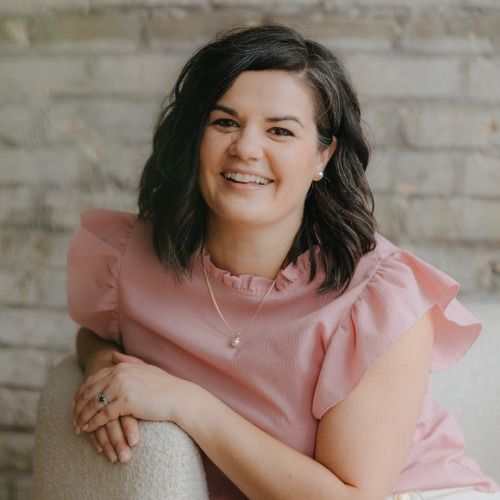
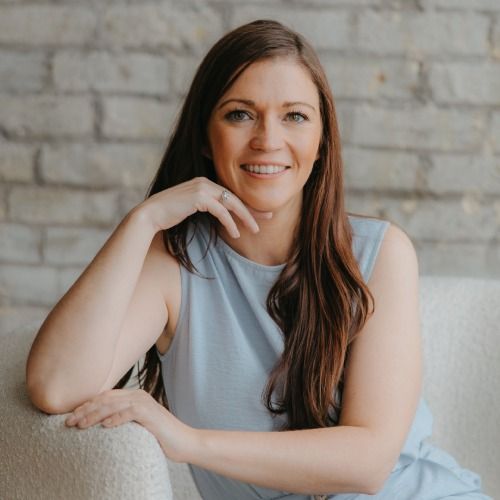
Brittany:Welcome back to Neurodiversally Speaking. It's Brittany, speech language pathologist, and Shauna, behaviour analyst. We're here today with a very special guest.
Today we're here with Allan, who is the founder of the Sensory Supply, but also the producer of this show.
Shawna:Hi, Allan.
Allan:Hey, how's it going?
Shawna:We were saying it's very interesting to have you with us because usually we send it to you and then you do kind of stuff in the back end, but today you're here seeing our setup and everything.
Allan:That's true. That's true. Yeah. It's interesting to be on this side. I'm actually.
I'm listening to the episode this time in real time instead of instead of afterwards. So, yeah, this is cool.
Brittany:Amazing. Well, we're so excited to have you.
Before we jump into your bio and how we met and all that good stuff, I did want to say we Were Sean and I were hanging out with somebody on the weekend and someone said like, oh, how do you start a podcast? And like, what kind of mics and stuff do you need?
Shawna:And like, what is all the gear that you need?
Brittany:And they were shocked that we have so much gear a but also that even we have a producer and we sort of left like Gianna and I could not do this alone for sure.
Shawna:Yeah, I think that was like our biggest takeaway to the person is like, I don't even understand the mics. I don't understand. Brittany's husband helps us set everything up. Evan. Yeah, set it up at Brittany's house.
And like today he said like, the excite is up or something. I'm like, I don't even know what you're talking about.
And so when they were asking for advice on mics and stuff, we're like, just find something simple. I don't know.
Allan:I feel like I'm still figuring all that stuff out too, honestly. I'm sure we'll talk about it eventually on this conversation.
But yeah, I mean, without some more in house help, which is, yes, it'd be a little more difficult, but yeah, hey, I'm still figuring all that stuff out too.
Shawna:So it's been an interesting journey for sure.
Brittany:Amazing.
Shawna:All right, so why don't we just.
Brittany:Tell our listeners a little bit more about you. They know a lot about us, Brittany and Shauna, but tell them more about you, Alan.
Allan:Yeah, yeah, absolutely. So, so I'm Alan. I'm. I'm the founder of the Sensory Supply and the Sensory Supply is the producer of the Neurodiversity speaking podcast.
And you know, through the Sensory Supply, we sell therapeutic and recreational products for, you know, of course, individuals that are neurodiverse, but also products that people that are neurotypical might enjoy too. I started the company about two and a half years ago. So we've been going two and a half and you know, it's been, it's been fantastic. I.
My initial kind of wanting to start the Sensory Supply stemmed from, you know, I have some individuals in my family that are loved ones that are on, you know, the autism spectrum. And that is what got me, I would say, I guess in the know of these types of products, you know, I've.
I've seen how they can actually help improve someone's. Someone's life and you know, just also, you know, give them some fun every now and then as well too.
So that's initially what did, you know, get me wise to sensory products as a Whole and the more I researched years ago, the more I saw that, you know, a lot of the times the place where you can buy these types of products is, you know, labeled like an autism type of store or something like that.
And, and something that I always felt we wanted to do at the Sensory Supply from day one is just be inclusive, you know, and, and not have anybody feel that they have to go to like an autism specific store to buy something that, you know, they might want to, you know, purchase for someone in their family or a loved one that is autistic. Right. So, yeah, inclusivity has always been something that we've been striving for at the Sensory Supply. A lot of these products are hard to get.
You know, we sell products that come in from Europe and the US and with that comes, you know, crazy expensive shipping and duties costs and all that. Like, as Canadians, I'm from Vancouver. Right. So as Canadians, we all know how it's like getting hit with duties.
You know, you buy a pair of shorts online and yes, you end up paying the same amount for the shorts when, when you get the bill at your door.
So we really do our best to try to shoulder all those fees for our customers, the import fees, the duties, the shipping, and, and try to bring the products, you know, to be more accessible and affordable as well too.
Shawna:So, yeah, I would also highlight the vetting of their products. As clinic owners, we've bought many things off of Amazon that have lasted for a month or a couple months, you know, and then they're moved on.
Whereas it's nice to have a company where, you know that they've like vetted the products and that the, hopefully the products are going to stand, withstand like a lot of use. And then I know in our case actually had something that came up. I'm trying to think of what even this, Oh, a zipper broke or something.
And incredible warranty. Right. We were just able to return it and get another version of the product.
And so I think all of those safeguards as well as a consumer is one of the benefits of going through the Sensory Supply.
Allan:Yeah, yeah, I know. Thanks for mentioning that because, yeah, we, we try to make sure we're putting products on our website that are really high quality. They're great.
We vet them, we make sure that they have certifications and all the safety guidelines met in Canada. So, yeah, that's, that's definitely important. You can buy this stuff in a lot different places these days, Amazon everywhere.
But yeah, you want to be careful, especially with some of those things that you know, you may be putting in somebody's mouth or something.
Brittany:Exactly. Oh, yeah, exactly, exactly.
Like, I'll tell my kids, like, there's certain things that we just never buy from, like the Dollar Store, for example, because I know it's like, just not safe and there's like, toxins that are. You know, maybe it's just in my own mind, but I feel like, you know, there's certain things that you just, like, don't want to take that chance.
And so we know that through the sensory supply, like, everything, like you said, somebody might be putting this in their mouth or like, just the toxins that are in, like, some fabrics and stuff. Like, you want to make sure that children are playing on this, potentially biting it. They're going to have their face on it.
You know, their skin is touching it. So, like, all of that is so important.
Shawna:And then, Alan, I would say an important thing you haven't talked about with your history is you are like, I hardly understand your other job. Like, you have a history as a record producer or something. Is that right?
Allan:I wouldn't say record producer.
Shawna:I don't know. I don't know what the terminology is.
Allan:Well, yeah, no, hey, that's. That's. Yeah, that's a fun topic to cover, too. So. So my background is in the entertainment industry.
Brittany:Yeah.
Allan:So initially going years and years back, I did go to audio school, worked in recording studios here in Vancouver, and then I ended up spending most of my corporate professional life working at a label, so in the music entertainment industry. So, yeah, I think that definitely helped a bit. Going even further back, I have produced and released my own music as well.
Actually didn't know that Electronic labels. Yeah.
Brittany:You must share.
Allan:I have done so. Hey, you're not wrong. I have produced records, but my own not, you know, somebody famous. Okay.
Shawna:Got like, I was thinking, like, I remember when we met you sort of like the why that you shared with the sensory supply was your loved one, you know, sort of opening your eyes up to it. And then obviously you have a passion for this audio side of things, which I do not and, like, don't understand at all.
Which must have been at least part of your inspiration for doing this podcast with us.
Allan:Yeah, yeah. Oh, I'd say so. You know, one of. I mean, starting the podcast is. Is something that, you know, that's where I podcasts in general.
I get a lot of my information from. Right. And with the sensory supply, you know, I guess to take a step back, I'm almost.
I'm also newer to this Whole space, the whole neurodiversity space, having been involved in it now for about two and a half, almost three years through the Sensory Supply and now the podcast.
But, you know, I'm, I'm still learning so much more every single day about, you know, all types of different diagnosis and, or diagnoses or, you know, even things like that, you know, how to, how to say a certain word.
Brittany:Right.
Allan:And all that. But, you know, it's starting. The podcast was something I really wanted to do to help just give some free information out there for people.
You know, podcasting is a huge way I ingest knowledge and information, and I think having a podcast focused around neurodiversity and a bunch of different topics within it is a great way to just help educate others and bring others in the know, you know, and I think, you know, together with you both, I think, yeah, I think we're, you know, working every day at it and, and it's starting. Well, it's been a great project so far.
Brittany:Yeah, we'd have to agree with you. But let's take a step back and share with our listeners how we met.
Allan:Ah, yeah, okay. So, yeah, it's kind of hard not to bounce around a bunch, you know, over everything we've worked on over the last bit. But.
Okay, so, yeah, so to rewind, we all met at the Geneva Center Sympo. Geneva center for Autism Symposium, which is Canada's large autism conference. It takes place every two years in Toronto.
So we all attended two years ago. Right. Because the next one's happening this year.
And I guess it kind of stems back to my previous, you know, professional career in the entertainment industry. But a big thing I would do for that job was conferences, you know, music conferences, entertainment conferences and such.
And, you know, in the early years of the Sensory Supply, that was one of my first things I thought to do is, okay, let's. I want to go to some of these conferences and educate myself and learn a lot more about, you know, the neurodiverse world.
And I saw Geneva Center Symposium in Toronto, and a big thing I used to do in my previous career is, you know, look up who might be at that conference, who might be speaking at that conference, and try to just reach out and have some, you know, quick meetings when we're there and, and just generally learn and try to meet some more people. And when I looked up some of the speakers on there, I looked up, hey, oh, who's Shauna Fleming?
Brittany:Who's that?
Allan:And then, oh, and a Brittany Clark. Who are these People. So I was like, hey, they look great. Saw some of, like, your bio and your background, and I thought, hey, you know, these are.
These are two people that I'd love to just reach out and see if they're opening to. Open to having a conversation or something.
So I think it was you, Shauna, that I emailed you initially and just reached out and said, hey, I'm Alan from the Sensory Supply. Would love to just, you know, meet while we're at the conference, maybe grab lunch or something and just get to know more about what each other does.
Shawna:I would say that with that, like, from our perspective, I love meeting with people and we'll usually like, sort of prioritize that because you never know, right? Like a connection, you never know when it's going to be a good one.
And so I generally have, like a wide network or, like, like to stay well connected. And so when I heard from you, I remember being like, to bring, like, I don't know who this Allen guy is.
Like, we didn't know what you looked like we didn't know anything about him. Like, I don't know, he reached out, he said, like, maybe we could connect with him. Like, I don't know, we'll see what this guy's like.
Brittany:Yeah.
Shawna:And then, like, we didn't know what to expect at all. And then I remember we set up some sort of time and then we met at the conference and you, like, in a one of the rooms that wasn't being used.
And then we met. You were like, oh, this guy's like, cool and young and. Yeah, like, great.
But never know, like, sometimes these, like, cold call things, like, we're like, ah. But this one was a great one.
Brittany:And actually I think it was funny. I think you had even said, like,.
Shawna:Let's go for lunch.
Brittany:And then we were like, all very pleasantly surprised that lunch was provided by the conference.
Allan:Oh, yes.
Brittany:Amazing. Yeah, like, just like getting really good lunch too. Yeah, it was very good.
Shawna:Yeah. So that was funny. Yeah, yeah. Just like, didn't know what to expect.
And then I think a funny anecdote that we often talk about is we met with Alan and he wanted a business card or something to stay in contact, and we didn't have any. I don't know why. Except for this one joint business card that we have that has both of our names on it and both of our contact info.
Narrator:Oh, that.
Allan:That is definitely the first time I've ever received a joint business card from anyone ever in my professional life. And that was like something that that totally stood out. Yeah, that's really funny.
Thanks for sharing that because I guess I've never really asked you both, what was your impression when I just, like, randomly emailed and reached out and said, hey, let's grab lunch or let's. Let's chat. But that's really, really cool.
Shawna:It didn't have your full name or I couldn't look you up anywhere. I just need, like, Alan from the Sensory Supply. And so we didn't have, like, a picture or, like, anything in our mind.
And then, of course, the Geneva Center Conference is such a big one and was a big deal to us to be invited to speak there, so we were really excited. And then when you reached out, I was like, hey, Brittany, this, like, company wants to meet with us. This is amazing.
And so it's funny how it all kind of came together. Yeah, exactly.
Allan:Yeah, no, for sure. I mean, I remember that lunch with you both and. Yeah, something that. Because at that stage, you know, the company, of course, already launched and.
And already building on working the company, the Sensory Supply, and the idea for the podcast was already kind of like just a seed, like, in my head.
So at that stage, I was kind of already looking, like, hey, almost looking for talent, almost looking for two or one or someone that could, you know, help me out also, because while I know how to do the back end podcasting stuff and production, I felt like it would be really important to have some special type of people as the hosts of the podcast, you know, and when we sat down for that lunch, it was crazy, but, you know, call it synchronicity or anything, but it was just all the boxes were being checked. Like, wow. Like, I really felt like when I met you both the first time, that.
And I don't think, you know, I even told you this before, but I really felt like I've already known you for a while. Like, we just got along very well. Our values matched up early on.
Brittany:Yeah, I agree.
Allan:And it was almost just a perfect partnership in the sense of. Because as we got talking, even later on when we.
When we talked about the idea of the show, you know, it's like, hey, you guys have already almost thought about doing something like this, but then needed someone like myself to help out with the production side and the same thing, you know, around.
Shawna:So, yeah, it's funny, I would say too. Like, when we first met at the conference, I was thinking, oh, Alan's gonna be really disappointed in meeting with us.
We have, like, a really small clinic in Waterloo. Like, I can't buy his Sensory stuff. I don't got a budget for that.
And think that it was like almost like a lost, like that you would leave feeling disappointed and then it like wasn't the case at all. Like, we all just had great conversation and like, obviously wasn't like a sales call that you were making.
But in the back of my mind that's what I was thinking, like, oh, he wants to meet with us because he wants to like outfit our clinic. But like, we have a, we don't have the budget for that. Yeah, yeah, yeah.
Allan:No, not at all. I remember leaving that conversation feeling so excited and being like, oh my gosh, you know, like, okay, this is something that could happen now.
Time to kind of like start turning some wheels and also to kind of back up a little bit. You know that the Geneva center symposium was, it was my first exposure to any autism conference ever.
You know, I entered this industry as someone who just, you know, has a loved one that was educating me early on. But I didn't know too much. And, and I still am learning a lot every day about this.
And it, I think it's really important for just anybody if you have a loved one that may be, you know, neurodiverse in any way or not.
It's great to just get educated about this stuff and, and kind of just learn because I remember going to that conference and you know, maybe this pulls the wool away or whatever, but I think it's important to say, like I, I felt like a bit of an imposter almost that first know, I'm like, hey, I don't know much about this.
I'm surrounded by all these clinicians and professionals, behavior analysts and speech language pathologists, people that have studied this for a decade plus, you know, and a lot of, at least that first day, because it was a three day conference two years ago, but that first day I'm like, okay, you know, what can I say? What shouldn't I say? What are some words that, oh, fair that you shouldn't use and such, you know, and, and I think that's that thought.
There is something that keeps almost holds people back from, from reaching out and trying to learn more about it, because you're almost worried to say the wrong thing. But as I spent more days at that conference, I realized that other people feel the same way.
And other people, as in people that have, are professionals in this industry. You know, the terminology is always changing. What you can and can't say, it is changing as well.
So yeah, I guess I would just say if there's Anyone out there listening that maybe as a parent of somebody on the spectrum or just has a friend or a friend's, you know, child or anybody.
Shawna:Yeah, yeah.
Allan:Just, you know, don't be worried about reaching out and trying to put yourself out there and learn more, because I'm. I quickly learned that, like, everyone is. Is. Is still learning and. And, you know, trying to figure it out as well, too.
So after the first day, I kind of felt a lot better at the conference, and I felt, okay, I can kind of spread my wings a little bit more on. On the second day, and. And I think we. That's when we talked or not, but.
Brittany:Yeah, exactly. And that conference has a mix of autistic voices and professionals, and everyone's kind of learning together, which I really love.
Yeah, but I think you put that really, really well. But you're also just like a kind and welcoming person. And so I think the sort of. The thing is, like, go in with everything, right?
It's like curiosity and kindness and sort of with all the language, too. It's all usually like, well, what do you prefer?
And, like, asking the person, do you want to be a person with autism or autistic, or do you want to be, you know, like, what's your pre.
And so someone like you going in with that, like, curiosity and openness and kindness, really, you know, that's kind of all most people are kind of looking for, Right? Yeah.
Shawna:Yeah, exactly. And so we all met at the conference, we go home, and then I'm trying to think of when we heard from Alan again, like, maybe a month later.
Allan:Yeah. Do you think something like that?
Shawna:Right?
Allan:Yeah, I think I stewed. I stewed on it a month or so after, just thinking, like, okay, is this the right choice? Is this the way to go?
Anybody out there, you know, running a business, too?
I'm sure you both know as well with your clinic, there's a hundred things going on, you know, so trying to fit in something else, like, okay, can we take on another thing like the podcast? But then, yeah, I think.
I think a month or so after, I followed up and emailed you both, and I think we set up a call to, like, kind of pitch the pitch of the idea.
Brittany:And it was you said you kind of came in with this checklist to the. You know, we did not. Shauna and I did not start our business thinking, oh, we're going to be podcast host, right?
Shawna:No, never go card, for sure.
Brittany:And so we were certainly very open to it, and it sounded like something new. And we're Always looking to, like, push ourselves in, out of our comfort zones. And for us, I feel like that was. We both kind of went like, oh, okay.
Shawna:Oh, okay. Yeah, I think we could do this. But both kind of felt intimidated.
Brittany:Like, we're certainly not like the biggest extrovert in the room. Like, looking to always, like, I don't know. Yeah, this is like, not really part of our personalities to be like, this kind of out there.
Shawna:Yeah, I think what it, like, it certainly is not. I have never listened to an episode, I will probably never listen to them of this podcast. Of this. Yeah, it would just drive me nuts.
I just, I don't know, too critical.
But what I do think it's been so cool about is we've both been clinicians for a really long time, and this gives an opportunity to, like, share our clinical perspectives with being a mom or parents in general and really that lived experience with our clinical judgment. It's been really cool to like, to take a step back and be like, hey, I actually do know a lot of stuff about all of these, like, different topics.
And then also, of course, getting to meet, like, cool people that are more knowledgeable in a certain space or something like that. And so that part's been really cool.
And that's what really feeds my values, is the reason I like to stay connected with people or take whatever meeting people send me. You just never know what that connection is going to bring. And I like to do, like, new and innovative things or I like new, for sure.
And so this has been, like, a really cool journey that I would never have predicted for sure. Even one month at the Geneva concert conference when we met.
Allan:Yeah, no kidding.
Brittany:Same.
Allan:And that kind of goes back to when we were initially chatting at the conference when, you know, checking all the boxes, at least in my head when I first met you both, because, yeah, you know, you have the professional experience as clinicians, but then as young mothers as well too, you know, and it was just like. It was just perfect. I walked away from that being like, okay, like, it doesn't get any better. Brittany and Sean, like, this has to work out.
And then fast forward to, like, when we talked about it and. And spoke about, like, I guess pitched the idea of doing the podcast. Yeah, that's where we quickly realized, oh, okay.
Because I think you both mentioned that, you know, maybe you didn't have the idea to become podcasters, but you had you thought about, oh, this, that would be something cool that we could do. Like, I wish we could do a podcast and thought about it before but don't know, like, where to get started or what microphones we got to use.
Brittany:Yeah.
Allan:And this and that. And then that's where, you know, I come in and I can say, hey, well, I actually, you know, years ago went to school for this kind of.
I can help out a little bit, and as long as you guys are on board.
Shawna:Yes, yes, yes. Could never have done it without all that expertise.
Brittany:Yes, exactly.
Allan:Yeah. Well, also, we're missing. I think it's worth mentioning that there's one. You know, there's a fourth member to the podcast as well, too, and that's.
That's Evan, Britney's husband. And, yeah, I mean, he turned out to be an actual, you know, audio tech as well, too, which was a huge stroke of luck.
I don't know how that even came to be. But. But, you know, I'm, of course, based in Vancouver.
Brittany:Yeah.
Allan:Right. And. And you're all based in Ontario.
And I was already thinking when we were talking about this early on, I'm like, okay, am I gonna have to, like, fly over there? I'm gonna have to go there and, like, I'm gonna have to set everything up and then kind of teach Brittany and Shauna how to, like, repeat this.
Brittany:Yes.
Shawna:If Evan wasn't here, for sure.
Brittany:Yeah. Yeah. And even we thought that, like, we would learn so much more. And thankfully, Evan. Evan's just very kind and usually very.
Shawna:Supportive and at our beck and call if we need support. And, like, you guys speak the same language too. Like, I. I don't even hear the things that you guys are looking at.
And so I would say, like, to anyone listening to this episode, a lot of thought goes into the sound quality and, like, interesting things that you don't know behind the scenes. Right. Like, recently, Evan sent over, like, I don't even know how many mic checks. It was, like, various mics and various setups.
Allan:That was amazing.
Shawna:Yeah. Behind me, there's, like, a blanket to absorb some sound or something. Like, I don't. I'm not passionate about it.
And so I appreciate that Evan is really passionate about it. Then the two of you sort of geek out at this different level that we could never. Or I could never do.
Brittany:Yes. Thank you to both. Yes. Yes.
Allan:Yeah. Yeah.
I think it's like a very great, just, like, relationship all around because, you know, you obviously all have, you know, the most involvement in the curation of the content and what's going to. What we're going to talk about and sharing your expertise there. But, you know, then you package it all up. It sounds great.
And then you send it over, send it over to Western Canada, and then that's where it gets kind of, like, polished up and edited.
Shawna:It's so cool. Yeah, it's been so fun.
I think Brittany and I like to go to conferences, and we'll often, like, put in a bid to present or sometimes we're invited speakers because we like sharing the work that we do. But this is, like, much more of a relaxation environment that we can have some of those nuanced conversations.
And, like, sometimes the conversations go directions that we never thought they would go.
Brittany:Yeah, exactly.
Shawna:Which has been really fun.
Brittany:And it really speaks to our value of this collaboration. Sort of our why is bringing the two fields together.
And we both feel like we're so much stronger clinicians now that we know each other and work together and, you know, bringing together all of the different pieces from our disciplines. And mostly that doesn't happen in our world.
It's like, I'm always seeing banter in, like, my speech pathology groups about, like, how terrible BCBAs are, and I'm like, if only you knew one, you know,.
Shawna:And so I love personally that this.
Brittany:Gives us that opportunity to sort of share, like, and sort of contradict that narrative that, you know, our fields need to clash and we can't get along. Like, we want to really shout to the rooftops. Like, it's the opposite. And that ABA isn't bad.
You can't really just, like, put these big sort of sweeping statements out there. But it is out there. Like, we're seeing it all the time. And so I love that we get to have these conversations and like, a real. A real.
A very real honest, one way. Right, Agreed.
Allan:Yeah, I agree. And I think that's something that really stood out to me as. As we all got to know each other more, is that, you know, you.
You all have this curiosity that, you know, won't take. Just like, like in your example, Brittany, someone saying, you know, ABA bad. Right. But what I really. And.
And in my early research days, that's kind of what I learned, you know, like, before going to the conference. But as I got to know you both more, you keep like, okay, well, let's get curious and ask more questions about this and Right. And.
And see where, you know, is it just the history that's kind of bad about it or is it, you know, where is it now?
You know, you know, because things do develop over time, and a huge, A huge benefit that I've received from doing this podcast with you all is just this education that I did not plan to be getting, like, you know, like for context on how it kind of goes with the episodes. Right. Like Brittany, Shawna, go ahead and record it with Evan and then they send it over and then I'll edit it.
And then when I edit, I, of course, you know, I listen through them fully. Right. I think sometimes I wake up in the middle of the night, like, and I hear your. Your voice because I listen to your voices all the time.
Like, all the time.
Brittany:Oh, gosh.
Allan:Sorry. Well, I even know like some of the nuances to your guys voices and conversation now.
Like, I can actually see where you're laug by just looking at the wave. I don't need to actually listen to it.
Shawna:Terrifying.
Allan:Like, I know where there's like laughter, which is super cool, but I feel.
Shawna:Like you and Britney like nerd out on some weird speech and language stuff here. You get the visual and Brittany with the. Oh, you almost, I don't know, go up on the s. I don't know.
Brittany:Yeah.
Shawna:Yes, yes, yes, exactly. You guys have to nerd out on a subsequent episode.
Allan:Yeah, why not?
Brittany:We recorded one guest and I was like, all the fricatives are just. And Shauna and Evan were just like, oh, okay, Brittany, just.
Allan:That's great. That's awesome. But yeah, you know, because. Because I've listened to every single episode and will listen to every single episode. I. I've.
I've learned a lot. And I feel like since I'm not, you know, a. A academically educated person in this area, I. I'm almost ingesting the.
The content like a listener would be, you know, and it's nice. I feel like I can put myself in their shoes and think, okay, hey, you know, are we enjoying this? What else can we talk about?
But yeah, it's been great. Just learning myself, you know, by listening to these episodes.
Brittany:Very sweet. Thank you. I feel like our cheeks are going to hurt by the end of this. Smiling so much. This.
Shawna:Been a crazy year. I can't believe it, you know? What did you say the other day? 25 Episodes or something? Maybe 26 this one. I'm not sure.
Brittany:Right.
Shawna:Crazy. Yeah. I can't believe it. Every other week we've done it.
Brittany:Yep. So cool.
Allan:Yeah, I guess maybe a question for you both. Like when you look back, it's almost been a year now. Right? Like we're almost coming up to our year.
Brittany:Yeah.
Allan:Think it back to all the conversations you've had and everything. Like, what has been one of the. The fun moments of Just, you know, doing the show or things that you've enjoyed about it.
Shawna:Yeah, I think it's nice to have, like, protected time to, like, chat, you know, and then sometimes I really do think we have some, like, clinical.
Brittany:Aha.
Shawna:Cause, too. Or we'll be like, oh, we're talking about transitions, you know, and then we've got a mutual client that we're working on that thing with.
You're like, ah, why didn't I think of this strategy? I know it. And so it gives you, like, sort of that step back from, like, being in the clinic every day.
Brittany:Yes.
Shawna:Try and like, maybe like, just like.
Brittany:A third perspective, an outsider perspective, a.
Shawna:Little bit to digest everything.
Brittany:Yes, I love that. And usually we will do that together.
Like, if we're taking some time off, then we'll say, like, let's have some, like, thoughtful time to really, really, like, step away. And that's when often the best ideas come. And so the podcast gives us that opportunity too.
Shawna:And my own children's behavior as well. Like, sit back as a mom sometimes, like, what was I missing here? And that sort of thing. And so I do like that as well.
I think it speaks to our values.
And I think as a behavior analyst, something that's so tricky is people think I could solve, like, anyone's behavior problems or concerns or whatever questions they have, but there's so much other information that I need first in order to know what might be good or what sort of strategies might be useful.
And I think the podcast provides, like, a really nice opportunity to chat about those nuances where, like, just because your child's crying every time you go to the store isn't enough information to me.
Brittany:Yeah.
Shawna:To, like, sort of move forward with that problem. So I've enjoyed the podcast as well.
To just sort of sit back and think about, like, what are all those things that sort of come to me naturally as a behavior analyst. And I'm already thinking about, about and helping other people maybe look at the context or, like, the environment around what you're.
Whatever you're working on.
Brittany:I like that you'll always say to me, like, I don't have a magic wand.
Shawna:I'm like, well, you kind of do, but.
Brittany:And it's like, all the data that goes into it and, like, looking at what happens before and after in the environment, like you said. So. Yeah.
I find I learned so much from our conversations and I think going about, like, we're very busy business owners, very busy moms, like, very busy clinicians, and we.
If we didn't have this, we actually wouldn't get a chance to just, like, step back and like always, I mean, we do, like, take time to consult and talk about different cases and stuff, but, like, we wouldn't get a chance to step back and have these, like, detailed conversations.
Shawna:Yes. And I would also say from a business perspective, it works really well as a staff training mechanism because our employees often listen to a podcast.
Brittany:Yes.
Allan:Oh, very cool.
Shawna:And then so they're getting, like, our clinical perspective. And so anyway, it's kind of funny sometimes little things that they'll say.
Yeah, but it's like, we have, like, these big philosophies at the clinic that are hard to live out. You know, they sound great. In theory. Something we talk about often would be, like, televisability. So.
Brittany:Yes.
Shawna:If this, what you're doing right now is on tv, would you feel proud that the, you know, universe is seeing you respond this way?
Brittany:Right.
Shawna:And that's easy to think about but hard in the moment sometimes, you know. And so in the podcast, we try to give, like, some really practical strategies and troubleshooting things that you can do.
And so anyways, it's been beneficial for Elemental or for us as business owners, as some of our staff. Enjoy the podcast.
Allan:That's awesome. That's really, really cool to hear.
I wouldn't have guessed that that is, like, this little side benefit of the podcast that is super cool, though, and going back to just kind of that education that I'm getting or someone else may be getting.
I think back to one of the transitions episode that we did, and, you know, I didn't really consider that that was much of a thing, you know, is the transition for someone on the spectrum from doing this to that, like, that's a lot to. To think about, of course, you both know, but that was my first time really knowing about that.
And going back to my loved one, like my nephew, it actually helped me understand him a lot more. And, you know, we. We hang out, we like, we'll. We'll go out and do something fun like at least once a month or something like that. But it helped me.
It helped those hangouts actually go a lot smoother because I realized. No, seriously, I realized, say we're gonna go do, like, some pigeon putt golf or something.
I know that, okay, from the house to the car is gonna be one transition, and then from the car to going renting our clubs, you know, is gonna be another. And. And it absolutely has really helped my communication with him and just to kind of try to level with Him a little more.
If I'm going to give him the option of two things we're going to do that day, instead of just saying, hey, what do you want to do? That right. I might say, hey, do you want to go pitch and putt or do you want to go bowling?
And give them those options, you know, to just help them decide easier. And those are things that I learned, like, just through you.
Both that and I can't wait to see what I'm going to learn next week or in a couple weeks from now.
Brittany:Thank you. And then talking about the future, you know, like, for our listeners, what are some of these things we're looking forward to?
I know I've been actively planning out what our next year looks like in terms of themes and what kind of guests we want to have on and what we really want to cover. But what about from both of you?
Shawna:Yeah, I would say, yeah, I think looking back, of course, as a behavior analyst, I like the data looking back at, like, what episodes have done well or which ones I felt good about too.
And I think now that we've got our feet wet for a year, being more strategic now moving forward, you know, like, we've sort of taken a lot of our core values and talked about them, but now what do we do? You know, how do we keep the conversations going, keep them interesting and not sort of regurgitate the same stuff over another year?
Brittany:Right.
Allan:Yeah, yeah, yeah. I think those are great, great ideas. I think also too, is from my side.
So I guess from the producers side of things, I would love to hear more from our listeners.
Shawna:Yeah.
Allan:And I wanna, I wanna know, like, what other people want to learn about and topics that they want you both to cover that would be, you know, super, super cool. So, yeah. Hey, anyone that's listening, if there's certain things that you want Sean and Brittany to talk about, like, like send them a comment on.
On the Instagram or a DM or something. Because, yeah, we're always looking for new ideas. Like on, On.
On the recent CAS episode that we did, I noticed that there was like a comment on the Instagram that someone was like, oh, hey, great. Like, I've been waiting for you guys to do a c. An episode on cas and that's super cool.
You know, like, when I see things like that, I'm like, oh, great. Like, we're putting something out there that somebody's really interested to learn about. So, hey, let us know.
Shawna:Yes. And I saw that comment.
I saw that comment from the person and now I want to do a second episode because I think we can add in like a bit more like we could just do an episode ourselves on more of those practical real life strategies. And so, yeah, the comments are so helpful to figure out, like, oh, someone actually like, genuinely like this episode.
Brittany:Yeah, yeah.
Shawna:Helps us for sure.
Brittany:And then idea and whether you're a professional or a parent, what kind of question do you, you know, we can tailor the episode to both. And we do try to make it like, so a professional listening could get some insight. But also a parent. So we love, love, love your insight for sure.
Allan:Yeah. Agreed. Yeah, Everybody out there, let us know. I guess there is, you know, in terms of, you know, while we're on the topic of future plans.
Brittany:Yes.
Allan:There's kind of a full circle moment for us all that's kind of big. I think it's a great opportunity to share.
Brittany:Do you guys. Yes.
Allan:I think you guys should do the honors.
Brittany:Oh, sure.
Shawna:We're very excited. We are going back to the Geneva center for their conference again. So it's every other year, as Alan said.
So: Allan:As the official podcast sponsor of the conference, I think is the terminology.
Brittany:And we're going to be sort of like hosting an episode sort of thing at the, at the symposium. So we're beyond excited.
Shawna:Yeah, it'll be a really different thing.
Yeah, it'll be so cool to sort of bridge these two things too, like our professional perform or performance, our professional presentation with more of like the pot podcast style. And so I think that's going to push us a little bit further clinically and professionally. So super excited about that.
And then as well, the connections, of course, at the Geneva center are amazing. Like it's a unique conference and that you do get the professionals and the people with lived experience.
And so we're really looking forward to those connections and connecting with people. Yes.
Brittany:If you're planning on. I'm sorry, I was going to shout out if you're planning on anyone planning on attending, let us know.
Send us a message too, so we can connect with you and have lunch or, you know, just have a chat while we're there.
Allan:Receive the famous dual business card.
Shawna:We will make sure we have them.
Allan:You're going to need more. You're going to need more this time.
Shawna:Sounds very key. I feel like it is appropriate for us to have, neurodiversely speaking, ones that are joined. So we will look into this and be prepared.
Allan:Yes.
Brittany:Three people on one business card.
Allan:Three people, one business card. Breaking records.
Shawna:Not sure if it's a good record to break or not, but the efficiency.
Brittany:Of it does not make sense to us, you know?
Allan:Yeah, that's hilarious. Yeah. No, I mean, it's. That's such a full circle moment because.
Yeah, it's been two years and we all met at the Geneva Center Symposium, and now it's two years later and, you know, neurodiversely speaking, is going to be the official podcast sponsor of the conference. Like, it's just so cool. It really goes to show, like, on.
Brittany:On.
Allan:On so many different fronts. But like, hey, like, if. If you're somebody that. That, like you said, Shauna, you know, take that meeting or. Or speak with that person. Not sure about.
Because you really don't know what can come from it. And from.
From my point of view, you know, if you're somebody that is hesitant on attending something like that, like, go for it, you know, you never know who you're gonna meet, who you're going to vibe with or get along with or even what you're gonna learn, you know. And here we are two years later, returning, and it's gonna be so fun. Really, really can't wait. And I can't wait to see other people that we've met.
Met from the past year.
Like, I know we just had Kim from Ability Hive on the show, and that's where we all met before, too, you know, and they're also doing amazing things in the neurodiverse space. And it's just a great. A great mix of fantastic people at that conference specifically, but I'm sure at so many other ones as well.
Shawna:Yeah, exactly. Yeah. This one is definitely unique. We usually go to, like, more professional type of conferences.
There is a couple other ones that are a little bit more of a mix, mixed audience, but this one is certainly unique. And then the fact that it's only every other year as well, makes it pretty special to get to go.
Allan:Definitely.
Brittany:Yeah.
Shawna:So we're looking forward to it.
Allan:Yeah. What I loved about it two years ago was they had a whole hall full of.
It was a creator or a creative market or an art market, and it was a bunch of just, you know, neurodiverse individuals that create their own art or some sort of. Of cool piece of, you know, paintings or clothes or jewelry or anything. And it.
That's not what I was expecting when I was thinking about going to that conference. You know, it was a really cool mix of, of the professional clinician side, but also I guess the lay person side. Is that the right way to say it?
I know someone like me who doesn't know too much about it, but.
Brittany:Yeah, exactly. No, I love that too. We bought a print that someone autistic had made. Made and it's so beautiful. We put up in the staff room in the clinic.
And like, I love that that's part of the conference. Like it's very thoughtfully designed and very thoughtfully just all put together so that all sort of perspectives are, are thought of.
Shawna:And that's what's actually been really cool about being a part of the conference. This round versus the last round. Like last round we were invited to speak and so they like sent us a contract and that sort of thing.
But this time, really. Alan, you've been chatting with them since the last one ended.
Narrator:Right.
Shawna:And so it.
You see the little pieces that coming together and you see how thoughtful the conference committee is in selecting and making like, like really small things up to really big things.
And so that you see all the thought that goes into it and why really that every other year works really well because it needs that time to sort of work through each of the little pieces that they're bringing together to make this conference something that, like you said, is useful for sort of everyone.
Brittany:Yeah, exactly.
Allan:Yeah.
Shawna:So it's been really.
Allan:Absolutely, yeah, kudos to them. They. They've been. They're a fantastic team at Geneva center.
And yeah, they're every year trying to find ways to make the conference bigger and better and more interactive. So yeah, big shout out to them. They've been amazing to deal with and keeping in touch with.
Shawna:Well, it's been an incredible year, guys. We've done it.
Brittany:It has.
Allan:We have, I guess thinking about like just yearend celebrations. Okay, I, I have a, I have a huge list of Bloopers. I have so many things, so many bits and pieces from past recordings.
I'm, I'm keeping them all because I think at some point I'm going to put together a bloopers episode and maybe I'll run that by you both first.
Shawna:But don't run it by me, just send it right to. We're here for it.
Allan:Yeah. So bloopers, that'll be fun.
g like our Best Greatest Hits: Brittany:There were so many, so many good ones.
Allan:It's been really fun.
Shawna:Yeah, it has been.
Brittany:Thanks.
If you're still listening to this episode and hearing us just kind of reconnect and yeah, like we said, we just want your ideas too, because we want to make this very interesting to everyone, all of our audiences. So shout out to Alan. Thanks for bringing us together.
Allan:Absolutely. And yeah, thank you both for just having an open mind and being willing to kind of get out of your comfort zone and dump into this and do it.
I think you're both doing an awesome job.
Brittany:Thank you.
Allan:It's been great. And again, gotta shout out Evan again, the on site audio tech. He has been amazing.
So I think all together we're all just, you know, keeping the wheels turning.
Brittany:Yeah.
Shawna:Yep. Thank you to another great year. Thanks.
Allan:All right.
Narrator:Thank you.
Allan:Another great year.
Brittany:Take care.
Shawna:Before we go, we want to remind.
Brittany:Our listeners that talk topics we discuss in the podcast are not a replacement for professional medical advice. Please contact a professional if you have questions.
Shawna:And just a heads up, we'll use both identity first and person first language to respect different preferences. We'll also see treatment and therapy since we come from a clinical space, but always with respect and a focus on what works for each person.
Brittany:See you next time.
Shawna:Bye.