Episode 26
One Year of Neurodiversally Speaking: Our Favourite Moments
Today we're hitting a major milestone - it's been one whole year since we started this podcast journey! 🎉 Can you believe it?
In this episode, we're taking a moment to reflect on the fun ride we’ve had over the last 25 episodes since starting Neurodiversally Speaking, sharing our absolute favourite moments and conversations that really made an impact. From deep diving into autism and neurodiversity to exploring practical tips for parents and professionals alike, we’ve covered a lot of ground together. Join us as we reminisce about the laughs, lessons, and everything in between from our first year of podcasting!
Timestamps:
(01:37) - Welcome & Intro
(06:09) - Bad Behaviour - What Are Kids Telling Us?
(12:58) - PDA w/ Dr. Hilda Ho
(21:26) - Childhood Apraxia of Speech (CAS) w/ Brooke Rea
(28:02) - Play & Belonging For All: The London Children’s Museum
(36:08) - Collaboration In Care w/ OutGrow Therapeutics
(41:41) - Play Is The Point
(48:15) - Favourite Moments!
(59:31) - Thank You!
(01:00:40) - Bloopers
****
Visit The Sensory Supply for the best in sensory products to soothe, stimulate, and inspire.
Learn about our clinic Elemenoe where we work to reach milestones together through speech, language, behaviour & learning.
Visit neurodiversallyspeaking.com for all podcast & show info:
Follow us:
Contact:
Have a question or a topic that you'd love to hear on the show? Get in touch with us at hello@neurodiversallyspeaking.com
Transcript
So excited.
Shawna:We're celebrating one year on the podcast and 25 episodes.
Brittany:Yay.
Shawna:I can't believe it.
Brittany:This is amazing. It was actually really nice to take a step back and realize, like, wow, we did this. We did it. This is so cool.
So today to celebrate, we're doing a greatest hits episode. Alan, who's our producer, has been pulling together some of our favorite moments from conversations that we've had.
And before we hand it over, we wanted to pop in and say a few words and sort of like how we're feeling about it.
Shawna:Yeah.
Brittany:Hey, everyone.
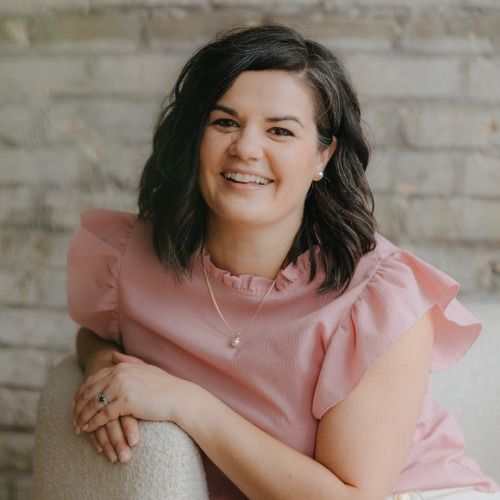
Brittany:I'm Brittany, speech language pathologist.
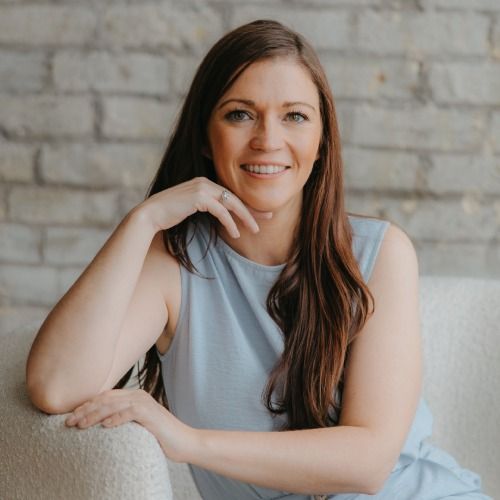
Shawna:And I'm Shawna, behavior analyst.
Brittany:And we're your hosts at Neurodiversity Speaking.
Shawna:This is a podcast where we bridge the gap between research and practice, exploring autism and neurodiversity through the lens of speech and behavior.
Brittany:Whether you're a parent or a professional, we'll give you practical tips to bring into your home or your next therapy session.
Shawna:Let's get started.
Narrator:Welcome to the Neurodiversally Speaking podcast with Brittany Clark and Shauna Fleming from Elemenoe, brought to you by the Sensory Supply. While we aim to make neurodiversity speaking suitable for all audiences, mature subject matter can sometimes be discussed.
Suitable only for those over the age of 18.
If you're under the age of 18, please talk to your parent or guardian before listening to our show or listen together with them to stay up to date on new episode releases and show updates. Connect with us on Instagram @NeurodiversallySpeaking.
You can also send us listener questions to address on the show at hello@Neurodiversally Speaking.com Neurodiversally Speaking starts now.
Shawna:Hey, everyone.
Brittany:Welcome back to Neurodiversally Speaking.
Shawna:It's Brittany and I'm Shawna. Today's episode is a little bit different. I'm so excited. We're celebrating one year on the podcast and 25 episodes.
Brittany:Yay.
Shawna:I can't believe it.
Brittany:This is amazing.
We, like, met with Ellen, our producer from the Sensory Supply, and it was actually really nice to take a step back and realize, like, wow, we did this.
Shawna:We did it.
Brittany:This is so cool. So today to celebrate, we're doing a greatest episode, greatest hits episode.
Alan, like I mentioned, who's our producer, has been pulling together some of our favorite moments from conversations that we've had across this, like, whole series. And before we hand it over, we wanted to pop in and say a few words and sort of like, how we're feeling about it. Yeah.
Shawna:So today's gonna be a little bit of a look back episode. Part celebration, part reflection, and part wow. We've covered a lot. That's what I felt when I was preparing for this.
So huge shout out to Alan, our producer.
He's also the owner of the sensory supply for doing the brave work of listening back to all of these conversations and pulling together some of our favorite moments.
Brittany:Yeah, exactly. So I'll have to be honest here. I have listened to 99% of the episodes. I want to say every single episode, but I think I've missed one.
But I listened to them on 2.2 speed.
Brittany:Right.
Brittany:I don't even know how. It's amazing.
Shawna:I can't imagine what we sound like. Some people listen to us on half speed.
Brittany:I know we've gotten feedback that we're really fast, but I can't listen to us any slower than 2.2. So, yeah, here we are, you know, take it or leave it.
Shawna:But I do always, like, listen to the episode and think, wow, that was so good.
Brittany:It was such a good conversation. So.
Shawna:And I never listen to them because I would never think that, oh, man, we should have said this. Why didn't I say that? Sh. You stumbled on your words here, and that is where Brittany and I are very different.
All right, so we thought we'd each share some of our favorite episodes, things that meant something to us, and looking back over us of these awesome conversations that we've had. What stayed with us?
Brittany:Yeah, exactly. And so, you know, we've talked about a lot of different topics.
We've seen a lot of different people, and we've sent some episodes to people many times. So thank you for everyone who's, like, supported us and helped us through this journey.
Speaker F:Yeah.
Shawna:We've had some incredible guests this year, and it's been so cool to see how the podcast has grown or hearing from our listeners or people that are clinicians too, and are saying, hey, you know what? I love what you guys are talking about. I feel the same. Or I'm coming across, like, some of the same conversations. And so that's been very, very cool.
Speaker G:Yeah.
Shawna:So thank you.
Brittany:If you've been part of this journey and you're listening to this episode with us.
Shawna:All right.
Some of my favorite episodes are actually just the ones with you and I. I did love the guests and people that we got to meet, but I do think that this is where you and I do end up talking, like, extremely fast, because these are the ones where we're really coming together and talking about things that, like, we are so passionate about. Some of my favorites are like bedtime struggles, the selective eating, those early communic and emotion regulation.
Because these are things, as a parent that I find are challenging. And I work in the space.
Brittany:Yes.
Shawna:You know, and so I think I've been really thoughtful as a clinician. Before I had children, I found these areas really interesting. And then now that I'm a parent, I also see, like, the other side of things.
And so some of my favorite episodes are the ones where you and I have done, like, a deep dive into, like, updated research, which is always great to do, and then have had, like, a really passionate conversation about those topics.
Brittany:I agree. I love it, too. And you can hopefully feel the passion that comes through.
You know, when we do start to talk really fast and get excited about things, it's because we care so much about that.
And then usually when we're embedding examples from our own lives, it's like, yeah, we're living and breathing this, but also feel lucky that we get to look into the research and we get to learn all of these things to make. To have some strategies for ourselves to use and then to pass on to parents. So. I totally agree. I think the. The.
Those kind of episodes also show sort of, like, what we each bring to the table and, like, how we can learn from each other and our different perspectives. Like, I've got a slightly different angle sometimes, but then I'll often, like, love learning from the behavioral perspective of things.
And then we land in, like, a. A good, common, shared ground because collaboration is so important to us.
Shawna:Exactly. And I think some of our, like, core themes keep coming up too. Right. Is like, there's no bad kids, or kids aren't being bad.
They're having a hard time. They're missing skills, they're overwhel. The environment isn't set up for them. And sort of coming back to that as our, like, key message, for sure.
Brittany:So that's, like, the heart of that bad behavior. What are kids really telling us? And I loved, loved that episode. I feel like it's such a good conversation that we have to keep coming back to.
Shawna:Exactly.
It really captures a lot of what we care about clinically and as parents and then as well as, like, friends of parents, you know, and it's like, I'm not judging your kid because they're having a hard time leaving my house today.
Brittany:Right.
Shawna:You know, and so I think it's something that's just, like, in our hearts.
Brittany:Yeah.
Shawna:And so I love that episode for sure. The other problem I have with blaming the individual is that it often leads to the wrong intervention.
It's not getting us closer to figuring out what was the trigger for that. What are those underdeveloped skills?
Well, we're labeling this person as lazy or aggressive, you know, and then as soon as anyone else hears those words, they've labeled that kid too.
So the kid doesn't even have a chance to develop those skills or show what they're capable of because people stop expecting that of them and are blaming them.
Brittany:Right, right.
Shawna:So when behavior is seen as a defect in the person, what we see is that the interventions or the approaches that we take as parents tend to focus on control and compliance rather than really understanding and supporting the person. And so we see that lead to. Is really punishment strategies.
And as a behavior analyst, like, punishment, I gotta tell you, just like, almost never works.
Speaker F:Right.
Shawna:And so we see punitive discipline styles, like, I'm taking away your iPad.
Brittany:Yeah, yeah. I would say a generational thing too.
We're always thinking about how we're doing better as parents and previous, you know, we, we know better, we do better.
I certainly grew up in a very punishment heavy house where sometimes I didn't even know that I was doing something that was wrong and that I'd be penalized for it. I don't know, you might have the same experience and some of our listeners.
Shawna:But I'm thinking also about a friend.
Brittany:Of mine who was asking me, what do I do? My. The boys are hitting each other.
And I think one of them, she suspects, maybe neurodiverse, not sure, but she's saying they're constantly hitting each other, and often she thinks they're trying to get her attention. But then her consequence is then, okay, iPad, because that's something that's so important to them.
So she's saying, okay, you hit your brother tonight. So then on Saturday you get like 15 minutes less of iPad time.
And so I was chatting with her and saying, my, I wonder if the boys will see that this hitting is then, like, connected to this sort of punishment that's happening on Saturday. Because there's a time gap.
And like, I would imagine that's not going to be teaching them, hey, I got to stop hitting because I might lose my iPad on Saturday. But I, I'm not the behavior analyst. I can't explain why.
Shawna:Yeah, exactly. And so in this case, I would say one, the consequence is too far away.
Brittany:Right.
Shawna:Like, it's Wednesday and this is happening on Saturday. That's very hard for A small brain to connect those two things.
The second thing I would also say is like the punishment is not connected to the behavior.
Brittany:Right.
Shawna:They're not related in any way. And as much as we can, if we are going to use punishment approaches, we should tie them into being related to the behavior as much as possible.
And then I would also want to think about. Most kids know they shouldn't hit, right. If you ask them like should you hit your brother? They're probably going to say no. Right.
And so the punishment there is kind of tricky because you don't have any skill building here. Right. And so in his. I'm sure in this child's case, he knows he shouldn't hit his brother.
Speaker G:Yeah, yeah.
Shawna:But then in the moment something happens in his body that then sparks him to hit his brother.
Brittany:And so.
Shawna:Right. What you. One of the problems that's in this idea is that we're missing the replacement behavior. We're missing the skill building piece.
Brittany:Right.
Shawna:And so if we think it's that they want attention, right. Then I'm going to think about okay, what are the common times this is happening? During it's happening when I'm cooking dinner. Right.
And okay, so cooking dinner, they want my attention, I've got to cook dinner, what can I do? Right, right. I've kind of simple strategy I'll often give parents in this situation would be to do like timed check ins.
Brittany:Right.
Shawna:And so initially you might think about like how when does the first hit usually occur? How long could I cook for before they're likely to hit? And then I'm going to come and check in on them kind of just before that.
So let's say every five minutes I'm going to check in on them and I'm going to just walk, I'm cooking, I'm just going to quickly walk over and say, hey guys, I love how you're playing together. That awesome. I'm just gonna go cook and I'll be back, you know, and then I'm gonna come back five minutes later, give that check in.
And again that's where my skill building comes from. Right. I'm telling them, I love that cooperative play you guys are doing.
You know, I'm giving them that attention that they want and I'm gonna see if that curbs their behavior and decreases the hitting. If that doesn't decrease the hitting, then I'm gonna get a little bit more investigative and think about what could be under.
Maybe it's not attention based, maybe my interval's too long, maybe this isn't the typ attention they want. And this is where I think as a in behavior analysis, like, the four functions are so reductive. Attention, access, escape, sensory seeking.
They're so reductive to really the complexities that come from human behavior.
But if you can find a broad category, then you can start sort of divvying it up into like different types of attention buckets that you might be able to fill or that sort of thing.
Brittany:I remember I was thinking back when you were saying that example, and you gave me that strategy I did a couple years ago and I loved it.
The girls were in the bath, truthfully, a couple years ago, and they'd be in the bath together and I'd be like folding laundry right outside the bathroom door, but not like letting them, you know, kind of play together. And my youngest would just scratch the older one. And I remember I was like, there's always fights.
And I think our the solution go to solution as parents was be like, oh, pull one out of the bath. Would you call that a punishment strategy?
Shawna:Depends on whose perspective you're taking. Like for the child who got hit, we would call it negative reinforcement.
For the other child, if the removing them from the bath is aversive than right punishment. But in behavior analysis, true definition of punishment has to decrease the behavior.
Brittany:Okay. So in this case, it might have felt like punishment to the child because I think there was some like, abrupt.
Shawna:Like, you're getting out of the bath right now. Right.
Brittany:And like, they probably didn't enjoy that.
And so anyway, the strategy I'm thinking about how you taught me to like, go in and check on them and say, peek my head around the door and say, hey, I love how you're playing right now. Oh, I'm hearing such nice cooperative time.
Shawna:Yes. And like, it would be appropriate if they do hit too. Pick. Not saying we never, like, have functional consequences, but getting out of the bath. Right.
As a punishment strategy in that case is directly tied to the behavior in the bath. Right. So it's all right with me.
Brittany:Right.
Shawna:As a behavior analyst, if we're ever going to put in punishment strategies, we always have a reinforcement strategy in place as well. And so my reinforcement strategy in this case is your timed check ins with attention.
Brittany:Right.
Shawna:And that's my skill building.
Brittany:If we're talking about episodes, we recommend a lot. For me, it's the PDA episode with Dr. Hilda Ho. It's definitely one of them. I genuinely learned so much from a preparing for that one.
And all of the things that we looked at before the episode, and then so much from the conversation, I felt like it's not something that was really part of my training or, like in my wheelhouse or a question that I could confidently answer. And so now I came out sort of realizing, like, there's so much still evolving and there's so much Instagram advice.
You know, we talk about that a lot of different episodes, but for the PDA one, there's so much out there on PDA and, like, how we have to know that the research is really still evolving.
Shawna:Right. Yeah. I love that episode I came in with, like, I would say clinically, I know a fair amount about it.
And we always prepare for obviously, like these episodes.
And that one I felt like was really interesting because we did prepare, but the conversation actually went in a couple different directions that we hadn't really planned on because of the evolving research and sort of some of the expertise that Dr. Hilda Ho brought in. So I think that one is an excellent one. And PDA is a little bit of a buzzword right now and not well understood.
And so anyways, I think that's an excellent one.
Brittany:Yeah, I agree. I love sending that to people who are just, like, wondering about pda.
Brittany:There aren't a lot of good quality research about PDA right now. I think that is. That makes sense given the stage of research we have a pda. It is very beginner stage.
This is what we usually expect with emerging, emerging kind of theories where there is not a lot of good quality data. So that's kind of where we're at with PDA right now. So, yes, it does make it tricky because it is not a DSM 5 or DSM.
I think we're coming up to a DSM 6 soon, but it's not in the diagnostic manual right now. So it's kind of like the chicken or the egg. Right. We need research in order to prove something exists, to put it in the dsm.
But if it's not the dsm, then we're not going to have much research about it because that there's just not as much attention.
Brittany:Yeah.
Brittany:And so, yeah, so there is that trickiness because it is not in the DSM right now.
Shawna: k came, I think, in the early:And when I started in the field as well, there wasn't one diagnosis. It was separated. Can you share a little bit about the history of that?
Brittany:Yeah. So when I first looked at social media and that definition of pda, I think the common definition was that this is a profile within autism.
And a lot of the social media accounts, they often reference this paper that was authored by a psychologist called Dr. Elizabeth Newsom. And back then autism was defined differently. So just to give the viewers, or, sorry, the listeners.
rst written, this was back in:So we had something called pervasive developmental disorders. And there were five different categories under pervasive developmental disorders.
So this included autistic disorder, Asperger's disorder, PDD not otherwise specified, Rett disorder, and childhood disintegrative disorder. So all of this was considered under PDD or pervasive developmental disorders.
And this was the context and this was the, this was the timing of when her original research was created. And so for her, when she was talking about autism.
And she also does reference, actually when I was reading her, her article again, she does reference autism spectrum disorders. But this was 10 years before autism spectrum disorders as we have operationalized it in the newest DSM existed.
So her definition, she didn't really talk about specifically what her definition of autism spectrum disorders was in that paper. However, given that it was published 10 years before what our current definition is, I would assume it is different.
And I think that's where it's a little bit sticky because we're using a lot of very similar sounding words. But I do think when I, when I reference her original article that we are talking about different. A different definition of autism.
Brittany:Yep, that's a context for sure.
Shawna:For sure.
And then with that shift in mind, like how does that then today we don't have a standard definition for pda, but we're all saying we hear this all the time. Right. Parents coming in thinking, I wonder if my child has pda. You're saying all over.
So too social media, there's tons of people talking about this idea of pda. And so as a society, it seems like something like this must be out there. And where do we land today with like, what is PDA and where are the gaps?
Brittany:Right? Absolutely. I think in terms of what we land on today is that first of all, I think it goes back to kind of original question is that what is pda?
We have to define it.
And I think when I look at, when I look at the lens through, okay, what the DSM 4 looks like when Dr. Newsom was creating her PDA definition and what does Autism Spectrum disorder look like now with our DSM 5 text revised version is that if you look at the original criteria and how autism is defined as today, a lot of the criteria that she captured would be captured also by autism spectrum disorders today.
Brittany:Right.
Brittany:So from a clinical standpoint, everything she talked about, I'm like, yes, I see all of that in my day to day practice. However, given the changes in definition, what she saw as PDA would be considered under Autism Spectrum disorder as the definition.
Shawna:Right.
Speaker H:Okay.
Shawna:And so I think we're looking at sort of two different conversations almost. Right. One is like, why did diagnosis matter? And then also, why don't they? Right. Again, like, people are talking about this and coming in.
And so let's say I'm a mom coming in and chatting with you. I'm like, I think my child has pda. It doesn't really matter to me if you have a diagnosis. This is something that you're sort of feeling.
What would be your response then to help them figure out what those next steps are? Maybe they have a diagnosis of autism and maybe they don't.
Brittany:Yeah. So I think for me, I, this, I. This, I often talk about this during my feedback sessions. It's like pda, its relationship with, with autism.
I usually, what I do is I explain to parents what the autism criteria is it and explain some of the things that they're seeing.
So a lot of times in my, in my intakes and my referrals, parents are coming in like, oh, my child, you know, is a bright kid, works really hard, but there's some things, it's just so hard. Like the mornings are really hard. You know, I know they can do all of these things, but they choose not to do it or they avoid doing it.
And those are kind of the words that they use. And that really fits with that PDA definition that social media has.
Speaker I:Right.
Brittany:However, when we're looking through the autism lens, difficulties with following the transitions. Right. Rigidity, all of that also can be captured through autism.
And so that's kind of how I explain to parents, is like, I do see what you're talking about.
However, I wonder if some of those challenges that you're seeing in the morning, is it due to the transition or maybe it's due to the sensory challenges. So, for example, brushing your teeth, that is a very, very typical challenge that a lot of the kiddos I work with have.
And so I kind of walk parents through that, like where this avoidance that you're seeing. Okay, where, where what do you think the trigger is. Is it the sensory part of brushing your teeth?
Is it transitioning from one thing to another, or is it challenging? Because. Well, it's the. You know, if I don't brush my teeth and I don't have to go to school, like, is it trying to delay?
So there's a lot of other reasons for this avoidance. And. And I think I'm like you in the way where the label. I know it matters to families. Absolutely.
But I think from when I'm looking at an intervention perspective, I'm really trying to look at, okay, what underlies that label, why are we seeing this avoidance? And I think that is more helpful for intervention than to just capture it as avoidant and then move on.
Brittany:I love the way you framed that. And I want to ask, as the speech pathologist in the room, this isn't my.
Shawna:Okay.
Brittany:Yeah.
Shawna:That PDA episode was so good. The other one that comes to mind for me was the childhood apraxia of speech episode with Brooke Ray. Because I didn't.
I knew, like, enough about apraxia. I know kids with apraxia. I know a little bit from you, but I didn't. I've never, like, treated it or really.
Sometimes I'll, like, help you, like, set up a data system or something, but I'm not really diving into the literature on it, and I think there's a lot of misinformation out there about that one as well. Right. So same as the PDA episode. Apraxia can be a little bit buzzy in the. Certainly in the autism world.
Brittany:Yeah.
Shawna:And so I love that episode because it takes this, like, really confusing and overwhelming topic, and, like, we got some, like, really insight from Brooke.
Speaker I:Yeah.
Brittany:I love, love, love that episode. I was so enthusiastic. I was, like, jumping at the mic, just waiting to ask more questions.
And then after that, we did can go and visit Brooke at her clinic. And I loved that, too. So that was such a nice connection for us. Loved reading or. Sorry. Learning more about CAS and have no regrets. Love that episode.
It was so fun for me because it's such a specific area and it's not something that I do exclusively.
And so it was really nice for us to take insight from her, who does this sort of all day, every day, and that, like, clinical complexity and making it, like, a little bit more accessible or, like, thinking about some things that she does and using that in. In our practice. Such a good day.
Brittany:Loved it.
Brittany:Tell me in, like, the plainest, simplest terms, like, what, are parents coming to see you? And they're saying, I don't know, I think maybe there's something wrong. And like you're saying, oh yeah, that you're, you've got. Yes. Like what are.
Do you know what I'm saying, Brooke? Like, tell me as a parent, what does that look like?
Speaker H:Yeah, so I mean our biggest signs that we're looking for are things like really limited output or really not variable output. And let me explain that a little bit. So, you know, maybe they kind of have the same sort of.
Like we said, those same sort of go to pieces or you know, even when we look at babbling, it all kind of sounds the same. If they are babbling, they have a. Maybe they don't have very many sounds yet.
We have some really good milestones in terms of, you know, those, those well baby visit and well, child visits, you know, if they're not meeting those speech milestones, if they don't have consonants and they're everything kind of sounds, you know, valley or they're really just hard to understand. You're not necessarily understanding them. Strangers certainly can't understand them.
Those would be signs that yeah, there could be something bigger, there could be a motor component.
The other piece I'd say is if you do speech therapy and you're, you know, it's just, it's not, you're not seeing the progress you're feeling like it's slow, you know, it's not even week to week, you're seeing gains, you're not seeing gains over months.
Brittany:Right.
Speaker H:Those would be signs that, you know, a traditional speech therapy approach may not be appropriate because we may be looking at a motor, a motor component in which case we need motor speech therapy.
Brittany:Okay, thank you. I feel like that's a good description. And then what age are we talking here?
Because that really matters too, you know, if a six month old is babbling. But not. I'm kidding. But you know, for a parent, again, they don't know the same sort of norms that you and I know for speech development.
So what ages are you most commonly seeing?
Speaker H:Yeah, I mean we do see a lot of kids sort of that 18 month to two and a half year. You know, maybe they haven't hit first words, maybe they haven't hit some of those milestones. You know, they were a really quiet baby.
Those descriptions, you know, they're not really connecting. They're still doing a lot of pointing or non verbal communication, but they're not actually using their mouth or it looks really effortful.
Those would be sort of my go tos. And I think if you have, if, you know, if we talk so much about like a parent's gut, it's so true.
Like if something just feels off, it's never going to hurt to be seen by a speech therapist and just make sure communication is on track. We know early intervention is so important, especially if it's cas. So the earlier we can start, start, certainly the better.
I would say the majority of our kids are sort of in that three to four to five year range here at the center, at least in terms of, you know, they've gone through delayed speech onset, now they've started some speech therapy. You know, traditional speech therapy isn't necessarily showing progress. And so then we're like, oh, maybe this is motor and kind of make that flip.
Shawna:Okay, and then what's the intensity that we're talking about here for? You're saying early intervention and then how much intervention is recommended?
Speaker H:That's a great question and it's a hot topic right now. So most of the research is coming out of the states and it's sort of indicating three to five times a week is sort of this idea.
But if you read a little deeper and you understand the education and the medical systems in the states, it's very, very different.
So, you know, three to five times a week is really a great marker for a school where a child's, you know, three, four or five in the states and the speech pathologist actually is housed in the school. So walking down the hallway to get Joey or Sarah for 15 minutes every day isn't actually a big deal.
But here in Canada, our speech paths have huge caseloads. They're moving between schools. And so this idea of three to five times a week literally is inviable.
And so we do a lot of counseling in that area with families to help them understand. Yes, I know you're reading three to five times a week, but it is a different system. And so we need to do more practice.
But that's in most cases either going to fall to the family to do more of that practice or other people who might be available in the schools or the daycares to help get that practice in every day. So it is kind of a tricky thing because that research really is based on a different model of care.
But we know most of the clients that are here, we're usually recommending at least twice a week. That would be like a half hour session and come in and just really drill that motor practice.
And again, thinking about if you were learning to tie your shoes and you practiced One shoe once a year. You can imagine how long it would take you to learn to tie your shoes. And so that's kind of that idea. We talk every day.
We've got to practice that improvement and teach that motor plan so it can be automatic.
Shawna:And then are you able to transfer your or give, like, homework to the families? Like, one episode that really surprised me was the conversation at the London Children's Museum.
It was so cool that we got to go and, like, do this on site recording, but truthfully, like, in my mind, I was thinking, like, where's this conversation gonna go? And, like, what are we gonna talk about? I don't really know anything about building or setting up a children's museum.
Brittany:Right, Exactly. I loved that conversation. It was such, such an amazing day.
We got to travel there and record in the museum and, like, bring our families, which was so fun. But I thought it was, like, truly fascinating about how the museum came together.
And I loved learning about how they actually, like, had drawings from kids about, like, what is your tree house going to look like? Or like, how would you want the water space to look? That was just such a cool, cool episode.
Shawna:Yeah, exactly. It wasn't like, let's just make a fun space for kids. It was cool to learn about, how are we making playful space?
How are we making the space accessible?
Brittany:Where are.
Shawna:How about for children that are feeling overwhelmed, how. What do we have to support them?
And then how do you get feedback from the community that's actually going to participate in this museum and build that into the design? So that one really surprised me.
Brittany:Yeah, I love that too. And it's like, all about sort of why we started, why we're here, inclusion and planning for it.
Like, you can't just, like, go ahead with good intentions. You have to be, like, very mindful and planful.
Shawna:Yeah, exactly. I found that conversation, like, really went in a direction I wasn't prepared for or just didn't know.
Brittany:Yes.
Shawna:I was really uneducated about the topic, so that is certainly a favorite.
Brittany:Loved it too.
Shawna:And so with the neurodiverse families, what are some of the things? Or when you have neurodiverse visitors, maybe on your school visits, you know, ahead of time, you've got maybe some children with auto autism coming.
Is there specific things that you guys are instructing your staff about? Or specific, I don't know, anything you're taking into consideration at the museum on those types of days, or is it more of a general philosophy?
Every day we're just, like, prepared to support kind of Whoever's coming in.
Brittany:Yeah, I mean, both. So we do have sensory friendly evenings twice a month on Tuesday.
So that's a free evening for families who maybe have kids on the island, Autism spectrum, or just have like sensory sensitive sensitivities. So, like, we dim the lights, we don't make announcements that night. And it's just like fewer people. It's quite a capacity limit.
Brittany:Yeah.
Brittany:Okay. So, yeah, for our staff team on that night, they're.
They're not doing anything different necessarily because just like we always do, we welcome all types of play and they are ready to receive and welcome all types of play.
We do talk a little bit about, you know, we've dimmed the lights, but that doesn't mean that the kids who are coming in are going to be calm, like they're going to be excited. Sometimes it's really loud and there's like these big joyful vocalizations and it can look like lots of different things.
And we support that and however. Makes sense.
Speaker H:Yeah.
Speaker I:Those sensory friendly evenings are free admission as well. So you register ahead of time. It's free admission.
It's also a nice time for families to kind of have a common understanding with the other visitors, like thinking that, yeah, it's. The vibe is just different than our regular admission times. And it's. Yeah. Our visitors. I don't know that I'm vocalizing this.
Brittany:Well, what you're sort of saying is like, you're building a community too. So when people come in, they feel like I'm not only supported by this place.
Shawna:Right.
Brittany:But I feel really supported by the people I might meet and interact with. And. And there's like a common understanding maybe that like, we're all here for just like supporting each other maybe.
Brittany:Yes, yes.
Speaker I:Thank you for articulating.
Brittany:That's really neat. And so you talked about some of the differences on the quieter night. It's called. What is it called? Sensory friendly. Sensory friendly.
And it's Tuesdays, right.
Brittany:Two Tuesdays a month. Cool.
Brittany:So on Tuesdays you come and the lights are dimmed and then there's a cap on the numbers of people here. Are there any other differences on that night that you. From, say today, where it's a busier day.
Brittany:Yeah. So quieter music. We're not making announcements overhead.
So when there's star shows, we're just chatting with families and saying, hey, you can come and join us at whatever time if you'd like to.
Brittany:I see.
Brittany:We will also set up some additional activities so in the annex space, which is sort of like Our multi purpose area, we might set up like maps and areas for like big body movements or pinballs or like soft blocks that you can set up and crash sensory bins and just like little smaller play areas where people can kind of settle in a little bit.
Speaker I:Yeah, we run programs in Discovery Lab those evenings also. And in Discovery Lab we have materials in there that are things like loop.
Shawna:Scissors and stuff like that.
Speaker I:Those are always out and accessible in Discovery Lab when we need some scissors. So yeah, things like that will offer programming that's similar to what we're doing when we're open to the general public on regular admission hours.
Brittany:I noticed the thoughtfulness around the Creativity Lab where they're sort of saying you've got five more minutes to play and then we're gonna do a reset. And they talked about how we were gonna kind of declutter the space again.
So that seemed very thoughtful around keeping everything a little bit organized and decluttered so that the, even the creativity that where the lots can happen, it's going to get reset so that it's not too overwhelming.
Shawna:Was that thoughtfully another like sort of little piece that makes a big difference.
Brittany:I think it does make a big difference. Yeah.
Speaker H:Yeah.
Speaker I:The space can't be accessible if we can't find the materials we're looking for.
Speaker H:Right.
Speaker I:So while we want. Yeah, we want to balance the kind of fun chaos that is the like creation process. Right.
Balance that with still being able to find what you need and having physical space to use to create whatever it is that you're working on.
Shawna:Yeah. And I did notice that sort of throughout the museum there's all this novelty and like really cool experiences. But then it's predictable too. Right.
I kind of know what to expect here and then like giving those warnings, you know, okay, I know I got five more minutes here and then things are gonna change. And then same with like play. There's like this little, like I said that carrot planting area my son really liked. And so we're planting carrots here.
But then I also see the corn. I could sort of infer what I should do with what I could do with this corn.
But then another child was just bringing them from one spot to a different spot and playing totally different. And so there's like this novelty.
But then if you like predictability or benefit from that, the areas are also quite predictable about what you could do here. And that seemed again like quite thoughtfully designed on your guys end.
Brittany:Absolutely.
And we have so many members and so many repeat visitors and that sense of predictability and knowing what you get to do when you come to the museum is really, really important. But it also can change from time to time.
Shawna:Right.
Brittany:Like some of the exhibits, like in branching out, that V bridge can be pretty scary. So that can be, you know, something you don't usually do. But maybe after you, your fifth visit you sort of work your way up to crossing it.
So yeah, there's things that you can do every time. There's things that maybe you need some time to work up to and then. Yeah, things can change and shift and are open ended.
So there's something sort of novel every time you come as well.
Speaker I:Yeah. The programs also offer like a space for us to insert some more novelty.
So the exhibits, a lot of them, we have some pieces that we can change outright, but the larger structures are going to stay consistent and predictable. And then we can add in different, how do I say that? Manipulatives, I guess we call them consumables. But you're not actually like consuming them.
Yeah, things that move around in the space, those are the things that we can change where it's like the environment is still predictable, but we're adding in some novelty with new materials or with a staff member hosting something in that space. Space to kind of. Yeah. Balance that predictability with some novelty too.
Shawna:And so from a big picture, when you guys think about the museum, you have like your stations.
Brittany:One of my most favorite like fun episodes I think that we did and really spoke to our values is the collaboration and care with Outgrow Therapeutics. I had so much fun like planning that episode and then also recording it.
Brittany:Yes.
Shawna:You planned us a fun game show to participate in. So good.
Brittany:I was something that, not that we do every, every episode, but I think it worked. It was so fun and like all of us in, in that space just truly, truly value the collaboration and bringing it all together.
And so it was so fun that we got to model that and like appreciate that from one each other's businesses.
Shawna:Yeah, that was another one where we left feeling like super energized and like stayed in contact with them beyond just the recording and continue to use some of their strategies and follow their social media.
Brittany:Yeah, loved it. Okay, we're gonna move on to something a little fun. I thought it would be really fun if we did sort of like a,.
Speaker H:A.
Brittany:Now of course this is all audio, so maybe we'll have to be clear who's speaking here, but we're going to ask you guys some questions one at a time and then only, only the person Being asked questions or points of the person. Like, I want you to tell us who you think is the best fit, and then we'll flip. So we're going to ask you guys some questions to start.
And just for fun, really. And so this is. I'm Brittany. I'm the speech pathologist, and I'm going to throw it out to you guys.
So who is the most likely to start, like, singing a silly song in a session between you guys? Megan, what do you think?
Speaker F:I honestly think it would be Marty.
Brittany:Yeah.
Speaker F:I think I might rely on some music, but Marty's gonna definitely make up a song and get some rhyming or alliteration in there to really make stick. For sure.
Shawna:Nice.
Brittany:Marty, do you agree?
Shawna:Yeah, definitely.
Brittany:I don't know if you're like me. Marty, as a speech pap and behavior analyst, do you feel like you could make a song up for anything? Because I feel like we have that power.
Shawna:Oh, yes, Absolutely.
Brittany:Love it. Love it. My. Our. Our team members will always be like, well, I can't think of a song for building blocks.
And I'm just like, like, build, build, build the blocks.
Shawna:Build the blocks with me. Exactly.
Brittany:We're building blocks at a. You know, like, literally any tune that comes into your head. And it can just be like, 1, 2, 3. Building blocks with me. Right.
Brittany:So funny.
Speaker F:Absolutely.
Speaker H:Okay.
Brittany:Shauna, do you want to ask them something? Sure.
Shawna:Okay. Who's more likely to have a drawer full of random therapy tools just in case.
Brittany:Case. And ask one pointed to specifically?
Shawna:I guess I'll go. Marty.
Brittany:Yeah. So I feel like I can answer that in two different ways.
Shawna:Megan probably has a lot of, like,.
Brittany:Random stuff in her drawers due to.
Shawna:Sensory type stuff, but I might be more likely to hoard something. Yes.
Brittany:Okay.
Shawna:100%.
Brittany:I love it.
Speaker F:Marty's gonna save all the things. Things. But I, you know, and I think it goes back to some personality traits also. But I do have a lot of random things in a drawer.
Brittany:Nice. Okay.
Shawna:Yeah.
Brittany:I feel like we're similar in that way. Like, but Shawna, we could use that sometimes.
Shawna:She's like, Britney, just throw it in the garbage. Get this clutter out of here. And that's personality, too, for sure.
Brittany:Yes. I love it. Okay. Megan, who's most likely to accidentally create a mess, but calling it, like. But it was a learning opportunity.
Speaker F:I would say that's probably more me.
Brittany:Yeah.
Speaker F:Mess is fine. And Marty will start with a towel and an organized space. That mess can happen, but we have it under control.
Brittany:Yep.
Speaker F:And I kind of just Let the messes fall.
Brittany:Nice. Megan, you're nodding, like, a lot. Fun. I wanted to know, Megan, what's the messiest, like, activity that you've.
I don't want to say aloud, but, like, what's the messiest activity that you've had in a therapy session? Because I can think of some. We've had.
Speaker F:Gosh. I guess when I bring Oobleck.
Brittany:Yes. Yep. The messiest thing.
Speaker F:Really messy. And then the other one is just traditional sand.
Brittany:Yeah.
Speaker F:Poured all over. And for some reason, it ends up in every single crevice for a very long time. And I'm, you know, kind of okay with it.
Brittany:Yeah. Or like, the rice bin you give to the client, and then they, like, throw it all over the room. You know, that's. Yeah, yeah, yeah. Okay. Yeah. Oobleck.
Same.
Shawna:Thinking about.
It was, like, a month ago, maybe one of our team members brought in paper, shredded, like, shredded paper into a session and let the client jump in the recycling bin and play in it. And it was a mess. It was so fun. Like, so much joy.
Brittany:It was a really big mess. Yeah. Shredded paper all over the room. And it was like snow for them. Like, it was so fun. She was doing, like, snow angels in it, but. Yeah. So messy.
But what a fun sensory experience.
Speaker I:Okay.
Brittany:And then, Megan, what would be the sensory. If you hypothesize, like, she's doing snow angels in this paper, what would you call it?
Speaker F:Oh, what. What they're doing. You mean, what. What sensory systems are they seeking out input to?
Brittany:Sure. Yeah.
Speaker F:Yeah. I would say it's a little bit of proprioceptive. Yeah. They're moving their body and muscles, and their leg feels good.
Brittany:Cool.
Speaker F:And also tactile. They are, you know, moving around in lots of different textures. The floor, if that's carpet or tile, and it could be temperature, if it's tile.
And they're also touching all of that paper around them.
Speaker I:I love.
Brittany:Thank you. We're just. I'm just trying to learn as much as I can from you while I have you. So fun.
Shawna:All right, who's most likely to make something look really pretty? Like, spend some time on a visual or a handout.
Brittany:I'll.
Shawna:Marty, I ask you.
Brittany:Yeah, that's definitely me. Yeah. I definitely have more attention to detail,.
Shawna:And I notice it for sure.
Brittany:Who's the one, like, doing your Instagram and your website and stuff? Is that also you?
Shawna:All right, now, because I am who I am. I did go back and look at the data on which episodes had the most, and the Fewest listeners, of course, no one surprised.
And one episode I think people might have skipped over is the play is the point 1. I love that episode. It was one of our earlier episodes. So maybe people that have just sort of discovered us later on might have missed that one.
But I really think it speaks to, like, our core values.
Brittany:I love that one too. I totally agree. I think if someone came to me and said, like, I've only got time for one of your episodes, where do I start?
I think play is the point would be one that I would like, totally go to. And then also that bad behavior one. Like, what are kids really telling us? And bad being in quote, air quotes there.
Shawna:Exactly. Because they do really capture so much of what we believe in and also what the research supports. I would say I.
As a behavior analyst, it's important to me that what we're doing is evidence, informed. And so I do love those ones because I think they make the research really accessible.
Brittany:Yeah.
Brittany:And we feel so good about where we're at right now and using play and building connection, following the research. And I love that it's kind of all going in the direction that matches so well with our values.
Shawna:Exactly. And this idea that play is not just a break from learning.
We did an interview recently, and we're asking the candidate about how they incorporate play in their learning. They're like, well, like, after they've got their 10 tokens, then they can go play. Oh, things have shifted a lot in the last 10 years.
Like, we don't really do that anymore. Play is the point.
Brittany:Exactly. Play is learning. So, yeah, I definitely have to listen to that one.
Shawna:One of my favorite therapy moments is when communication connects. They start to see why communicating matters, why it's useful to let other people know what I'm thinking and what I want.
And so I think through play, you get so many of those. Like, reaching your arms for up is a big one.
Speaker F:Right.
Shawna:And then maybe we're going up, or maybe you want me to spin you around. And those could have two different actions that the child's doing. And so I love just, like, embedding those communication opportunities within play.
Brittany:Absolutely. And then coming back to language. Language doesn't start with a parent or an adult asking, what's this? What's this? What's the name for that?
Or flashcards. And if I'm honest, if parents ask me about using flashcards at home, I usually, like, say, don't, please don't do it.
And another one they teach us, don't say what's this, like, if you know what it is, then don't ask them because you're, you're constantly testing them, not teaching them.
And so your child is actually going to learn so much more from just playing with you and you just labeling things around them and using language as you play rather than, than kind of drilling them or quizzing them.
Shawna:For sure. And I think that actually brings up a good point too with, we call it generalization, clinically.
So if you're holding up a flash card and they say that's a fire truck, that's a garbage truck, that's a police car, whatever, do they then ever use that word in the real world, you know, or are they really only labeling these things when they're shown these flashcards versus pointing out, hey, look, I see a fire truck.
Brittany:Right.
Shawna:And sometimes for our neurodiverse learners, the flashcards can actually make that generalization piece a bit tricky. Like they become, can become more rigid.
Brittany:True.
Shawna:In sort of their language acquisition. And so that's where in play is so fun because the environment around you is always kind of changing and morphing.
Brittany:Yeah, that's a good point. I remember a learner that we, I think we had together that was like, he only knew the thing if it was that one card. Like he couldn't just.
And we didn't know that for like, this is a long time ago, but we sort of didn't realize that it wasn't generalizing or similarly, he was a reading. He read and he could only say like, see it if it was in that specific font or like the specific like card and stuff. And that's.
We talk about generalization all the time for that reason.
Brittany:Right.
Brittany:Like sometimes. And I never thought of it that way though. Like play kind of lets you continue to change things up because it's not structured.
Shawna:Yeah, exactly. And that's what we want. Again, with neurodiverse learners, certainly autistic children, there's often a lack of spontaneous communication.
Brittany:Yeah, yeah.
Shawna:And so once you start making it so that it's more of like drill based stuff. Some children I do think like genuinely do love the flashcards that I work with. They like that sort of structured approach.
They like to know what they're doing. But I think it can also make. Some can also lead to a lack of spontaneous communication where they're waiting for you to say, what is it?
Speaker F:Right.
Shawna:Instead of like offering it.
Brittany:Right.
Shawna:And so like you'll always say model,.
Brittany:Model, model, model, model.
Shawna:I see a banana, I see an apple. And then you add in A thoughtful pause. And there's an opportunity then for them to communicate.
Whether they say a big sentence, I see orange, or they were pointing. Right. Even if they pointed at a picture. That's a really nice way of you bringing me back into your world. Right?
I was showing you mine, now I want to see yours.
Brittany:Yeah, exactly. And so we create these like joyful interactions. Like, like you said, I'm bringing you into my world or I'm coming into yours.
And the moment where that child indicates, like, let's do that again, you know that that's like a huge win. And we're building play and communication opportunities there. We're also like co regulating during those moments and increasing shared attention.
And that's so reinforcing. So I was trying to think of an example of this sort of joyful interaction. And there's a plating that I do with my daughter.
I know you do with yours too, with your son. And it's just very simple. Like London Bridges falling down, the song. And I either hold my own child on my hip or a learner at the clinic.
And then I start sort of singing the song. And then when I'm saying, so London bridge is falling down. And when you say falling down, you sort of like lower them down on your. Bend your knees.
And so you do it once and see if they like it. And you can usually tell right away if they're like leaning towards the ground, then we stop.
But if they're looking up at me and they giggle or they say again, then this is that moment where we've created this joyful opportunity to learn. And then I can add in where it's like, up, up, up, or like down, down, down or spin, like you said. So we can kind of change it.
And I can get them to like, gesture to me if they want a variation or they can imitate it. And so like just thinking about a very simple example of how we're building communication into this, like, joyful play opportunity.
Shawna:Oh, I love that.
Brittany:Exactly.
Shawna: ghi, including colleagues for:I think the research world has really changed in the last, I would say every year, really. It's like, it seems to be moving forward quite quickly right now. And so I really only was prioritizing new research for today's podcast.
So this one looking at play is a pleasurable, intrinsically motivating, freely chosen activity that, that engages the child physically or mentally. All right, so with all that said, we're going to hand it over to Alan, who has put together some of our favorite moments from the past year.
Brittany:You'll hear pieces from episodes that make us laugh, make us think, ones that totally challenged us in the way we think, and then really just capture, like, what we hope this podcast can be and showing our values and what we really, truly believe in and what we're so passionate about.
Shawna:Exactly. And I think for us, like, what the podcast is, is a place for honest conversations about autism or neurodivergence, even just parenting.
Parenting, communication, behavior, and then how we can support our kids and keep that connection going.
Speaker I:Absolutely.
Brittany:So whether you're here, whether you've been along the whole journey with us since episode one, or if you're just finding us now, thank you so much for listening.
Shawna:And here are some of our favorite moments from year one of neurodiversely speaking.
Brittany:We're gonna start today's podcast by talking about a little bit about who we are, but also why we were inspired to start this podcast and why we're here, and then hopefully give you already today some tips and tricks that you can take home with you. Perfect. Sushana, actually, why don't I start with you? I'm going to ask you what inspired us to start this podcast.
Can you answer that for our listeners?
Shawna:Oh, goodness.
Well, Britney and I have been operating an interdisciplinary clinic for several years now and been working through some of the difficulties with collaborating interprofessionally, and that the. We realized that many of the conversations around autism and neurodiversity happen in separate professional silos.
And something that we're really passionate about is bridging that gap and helping professionals to collaborate better so that we're leading to better outcomes.
Brittany:Exactly.
Like when we're at a conference, people actually can't believe that we're up on the stage together as a speech pathologist, and then you're a behavior analyst. They look at us like we have two heads. Well, I guess we do, but, like, wow, we're really crazy to be doing this together.
And yet this is our whole model.
And we really, really believe in this mission, that we're bringing the best of speech pathology and ABA together to work with our neurodiverse children and their families and helping support all of these autistic children. I remember the last time we had that as part of the curriculum.
The behavior therapist came, like, screaming over to me and was like, I don't know how to say this sound. And it was just the letter A. And he was like, how do I say this? I'm teaching reading. And I was like, oh, let me break this down for you.
This is such a good question because you're not just going to say a if it's short vowel or a long vowel and what's your context? And I was like, I can't just answer this in a one word or a one sound thing.
Speaker G:Right.
Brittany:So I sent him a whole sound bite.
Speaker H:Perfect.
Shawna:And again, as a behavior analyst, if I was getting ready to write that program, might never even cross my mind to think about that. Right.
Like long versus short vowel sounds or like what are their reading rules and how do you make that digestible to a learner with a language delay?
Speaker F:Right.
Brittany:And.
Shawna:And so there's certainly so many nuances to all the skills that we're teaching. Yeah.
Brittany:So when we talk about neuroaffirming care, we're not just talking about being kind or progressive. We're actually talking about ethical practice. Like this isn't opinion feel good stuff. This is actually in our codes of contact for both SLP and bcba.
Shawna:Exactly, exactly. So for behavior analysts, the BACB code spells it out. We got to be culturally responsive. Culturally responsive.
We got to prioritize our client values and adjust our practices when the environment isn't supportive of those things. And that includes recognizing neurodivergence as part of the human diversity.
Brittany:Yeah, exactly. Same goes for us in the SLP world. Castlepo, which is the Ontario based organization.
So our Catholic council code of ethics highlights respect for dignity, autonomy and values of our clients. And we're expected as SLPs to provide services that are person centered and responsive to their individual needs. Not a one size fits all model.
Shawna:Exactly.
And I think that's probably one of my favorite things about being a clinician really is being able to take that whole picture of you of a problem or area of need and developing that truly individual, individualized plan.
Brittany:Yeah.
Shawna:So let's look at a little bit more the ethics code. A little bit dry, but worth a reminder. And so in behavior analysis, our code 1.07. So we need to be culturally responsive and to continue learning.
And I know you guys have something similar, right?
Brittany:Yeah. We have to respect our clients dignity and understand their cultural and personal values in everything that we do.
Shawna:And so neuro affirming care of course helps us do that really well and keeping that mind in, in mind so by seeing that neurodivergent communication style. Hi, I'm Brittany. Hi, I'm Shauna. And we're here on the podcast. Happy Birthday. What?
Brittany:Can you hear me?
Brittany:Yes.
Brittany:Did you find, like, along the way there, you're getting advice from people that's like, not so super helpful or people.
Shawna:Who just don't understand or judgment, even.
Brittany:Oh, yeah, yeah.
Speaker H:Judgment.
Brittany:Judgment is a huge thing that I've noticed. Like, I always say that one of the biggest topics that I get judgment about is eating.
Shawna:Like, people really think it's wild that I give Camila chocolate. Or, you know, you'll get people saying,.
Brittany:Like, this is all because of you.
Shawna:Like, oh, my gosh.
Brittany:Being like, strict enough. You're not a lot of people who.
Shawna:Think our fit is not real because it's just a parenting issue.
Brittany:So there's lots of things like that.
Shawna:That you come across and you see or like, even just like going out.
Brittany:And like, if I pull out an.
Shawna:Arrow chocolate bar, for instance, if we're at a restaurant or something or wherever we might be at the mall, sometimes.
Brittany:You'll get looks and things like that.
Shawna:Or when she's licking her ketchup.
Brittany:So sometimes there's judgment. I've definitely identified.
Shawna:Definitely think eating is one of the.
Brittany:A hot topic when it comes to judgment. Parents, all parents. Like, not even for a child with our fish. I think in general.
Speaker H:Wow.
Brittany:Yeah, Wow.
Shawna:I agree. And that's what sort of inspired this episode is.
Brittany:They do.
Shawna:And they. I have typically developing children and I find eating so challenging sometimes, you know, I'm like, what do I do here? How should I respond to this?
And actually, funny story.
Brittany:There's this restaurant on Highway 6 and on Ontario, and my family for like a decade called it the Pointing Baby Restaurant. Oh. Because you made reminded me when you said that.
Because I was there with my family one day and we're all eating breakfast and there was this cute little baby and he pointed at me. So guess what I did? I pointed back. Obviously.
Shawna:I feel like that's the natural response.
Brittany:You imitate a baby that's happy looking at you. And so for a decade, they called it the Pointy Baby Restaurant.
Speaker F:I love those.
Shawna:Early communication. Yeah, exactly.
Brittany:He was communicate with me. I'm not going to shut him down. I'm going to respond right back. I want to identify our learning objectives for the episode.
So number one, identify and describe early indicators of autism.
We are hoping that you as a listener will be able to recognize early dev developmental indicators of autism in young children, including their differences in social communication, play imitation and sensory behaviors using language. That's really respectful. Neurodiversity, affirming and strength based.
Number two, our second Learning objective is to understand the role of interdisciplinary support. So again, that's a long word. We just mean really collaborative.
So, listeners, we're hoping that you can understand the scope of practice for SLP and BCBAs in Canada, including how interprofessional assessments work without diagnosing and how we can support families in understanding their child's development and access. Assessing Early Intervention services the third learning objective for this episode is to apply these practical strategies and know where to begin.
So we're hoping that listeners will learn actionable steps that you can take to observe early signs of autism in your child, including how to initiate conversations with healthcare providers, what screening tools are and what to request, and how to use at home, strategies that foster connection and communication while waiting for formal assessments. Just to be clear, neither of us diagnose autism. That's not part of our scope as SLPs and BCBAs here in Canada.
But we do work with families every day, helping them make sense of what they're seeing and connecting them to the right support. And we're often the first ones they come to.
Shawna:So true.
And so before we dive into today's topic, the early signs of autism, we want to start with our mantra here at neurodiversely speaking and at Elemental when we know better, we do better. That applies not just to how we work with children and families, but also how we talk about autism and how that language has evolved.
Brittany:For sure. I'm so glad we're starting with this piece.
We both feel so passionate about this, but we were taught to look for red flags, and you'll see that post online everywhere, one of those red flags for autism. The term red flags feels so heavy, like something's wrong or dangerous or scary. And so that's not all we, we want to frame here in this conversation.
It's not how we want to frame neurodivergence. So we're going to use the terms or use the words indicators instead because it kind of shifts that tone.
And so we're not trying to minimize any of those challenges that our neurodiverse individuals go through or their families, certainly. But we want to recognize that those indicator indicators are like part of a bigger, broader, more complex picture.
Shawna:Exactly. And same with, with non compliance. Certainly in the ABA world, that's something,.
Brittany:You know, one of the biggest myths.
Shawna:That we hear, especially from worried parents, is this idea that if a child isn't talking by a certain age, they're not communicating. And that's just never true.
Brittany:Right.
Shawna:Every time we're doing an assessment, there's always a little guy coming in or a little girl coming in, and they're communicating us in so many ways. And so definitely, I think, a misunderstanding.
Brittany:Of communication, for sure, just because they're not speaking with words. It's just one form of communication. And so it's often. Sorry, it's never really the first way that kids communicate either.
There's so many things that come before those first words.
Shawna:Exactly.
And I think where that vbdt, the Verbal Behavior developmental theory comes in is really looking at some of those early ways that we're communicating and some of the prerequisite skills that babies are doing to get ready to have a more robust communication mechanisms. You know, they have them from an early age.
Babies can certainly communicate, but as they develop a bigger system or in my world, a topography of communication, we see them develop these prerequisite skills potentially like eye contact and some of those other things. And how does. Does that go into choosing sort of what products and stuff that you guys sell at Ability Hive?
Like, how do you choose what you're going to be selling?
Speaker G:A lot of it is just from our own. Either our own experience or we hear we've got feedback from. From customers.
We know there's a big, big need for items that are for older either whether it's teenagers or adults. We know that there's not as much stuff out there and there just, there isn't.
You know, even with our suppliers, like, it's harder to get the larger items. And I don't really know why that is. I think it's just. Yeah, I don't know. I'd love to.
And we do have some things for adults, but there definitely needs to be more. You know, there's definitely not. And that's one of the biggest things that we hear from our customers.
Shawna:Like, oh, I wish.
Speaker G:I wish you had this in a bigger size.
Brittany:Oh, yeah.
Brittany:You know what I mean?
Shawna:I, like, love that one.
Brittany:Thanks for spending some time with us today and through this whole journey with us. Thank you for listening to our voices and the conversations that's really helped shape this show.
Shawna:We're so grateful for everyone who has listened, shared an episode, sent us a message, or brought these conversations into your home or clinic. I gotta say, like, it was never on my bingo card to be hosting a podcast, but it's been really, really fun. So, like, so, so grateful.
And of course, as a behavior analyst, I'm always looking at the stats and, like, it's cool to see that things are growing and hopefully then people are finding these conversations Interesting.
Speaker I:Yes.
Shawna:Thank you.
Brittany:If you've been with us, like I said from the beginning, you know that we care so much about this space. We're super passionate.
Speaker F:It's.
Brittany:We feel like we've really built something special here. So thank you. We really appreciate you and we would love to know what are your ideas for the future?
What do you want to cover us to cover in our next 25 episodes? What are our conversations you want to hear more of? And just give us your thoughts. We love it.
Whether you're listening as a parent, a clinician, a friend, please share it with someone else in your community or in your space that think that may benefit from these conversations.
Shawna:See you next time.
Brittany:Thank you. We look at. Oh, no, that's okay. I've been doing these markers that he showed us how to do. Thank you, though.
Allan, you can give us feedback if this is working.
Shawna:So Allan will edit the beginning part.
Brittany:Of this out being these. Neurodiverse. Neurodiversant.
Speaker F:Sorry.
Brittany:Yeah, I think I got it now.
Shawna:For the last one. Yeah, sure.
Brittany:Let's go again.
Brittany:Okay.
Brittany:Where are we? What happened there?
Speaker I:I don't know.
Brittany:That was weird. Did you hear that, too? I wanted to talk about.
Shawna:Yeah, that happens. Oh, okay, let's restart.
Brittany:Yeah, yeah, yeah. Need a diagnosis. That's not what. Oh, okay, yet. I know.
Shawna:It's like those small words that trip you up so much.
Brittany:Exactly. Be so careful. The convers. Oh, sorry. No, you go ahead.
Shawna:No, that's okay. Okay, restart from the beginning.
Brittany:Yeah, we'll get this. Before we go, we want to remind our listeners the topics we discuss in the podcast are not a replacement for professional medical advice.
Please contact a professional if you have questions.
Shawna:And just a heads up, we'll use both I identity first and person first language to respect different preferences. We'll also see treatment and therapy since we come from a clinical space, but always with respect and a focus on what works for each person.
Brittany:See you next time.
Brittany:Bye.