Episode 31
SLP-ABA Collaboration: Speech Strategies Every ABA Therapist Should Know
Time to chat about speech-language pathology (SLP) and how it's teachings can be applied to behavior analysis (ABA) and trust us, this is going to be a goldmine for anyone in the field!
We'll talk about how collaboration between SLPs and ABA therapists can supercharge the progress of their clients. We'll share practical tips that highlight the importance of understanding speech and language development, and break down the nuances that often get lost in translation between the two professions. We tackle everything from articulation to literacy, emphasizing that the more we work together, the better we can serve our clients - because let’s face it, teamwork makes the dream work!
Timestamps:
(01:34) - Welcome
(03:21) - Speech vs. Language Therapy
(19:25) - Collaboration in Speech Therapy
(30:03) - Language Development in Children
(41:42) - The Importance of Language in Therapy
(55:01) - Reading Skills: Collaboration in Practice
Mentioned In This Episode:
- Episode 2, "SLP & ABA: How Speech Therapy and Behaviour Therapy Work Together" — covers scope of practice in detail: https://neurodiversallyspeaking.com/episode/intro-to-slp-aba
- The Elemenoe "who does what" collaboration guide comparing SLP, OT, and BCBA roles: https://www.elemenoe.ca/our-materials/p/parent-guide-collaboration-autism-therapy
- Kaiser, A. P., & Hampton, L. H. (2017). Enhanced milieu teaching. In R. J. McCauley, M. E. Fey, & R. Gillam (Eds.), Treatment of language disorders in children (2nd ed., pp. 87–119). Paul H. Brookes Publishing Co.
- Word Quest: Decodable Phonics Activity Book series — available on Amazon: https://www.amazon.ca/Word-Quest-Decodable-Phonics-Activity/dp/B0H6RB8SD5
****
Visit The Sensory Supply for the best in sensory products to soothe, stimulate, and inspire.
Learn about our clinic Elemenoe where we work to reach milestones together through speech, language, behaviour & learning.
Visit neurodiversallyspeaking.com for all podcast & show info:
Follow us:
Contact:
Have a question or a topic that you'd love to hear on the show? Get in touch with us at hello@neurodiversallyspeaking.com
Mentioned in this episode:
CTA - Brit - Show Idea
Transcript
And so if you're teaching that segmenting and blending, you want to go just with the phoneme. And so cat, for example, or if I pick in a different word, so dog, for example, we're not going to say D, ah, G.
Shawna:Right, you're going.
Brittany:To say D, O, G, and that's it. And so again, it sounds so easy. And hopefully I'm explaining this well enough to some of the ABA or other professionals.
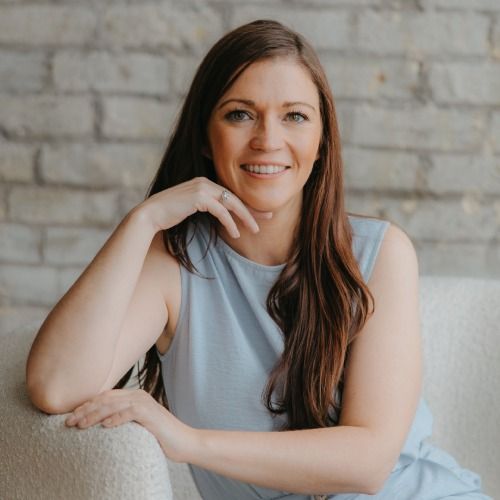
But same with like an S sound, you're not going to say sa. Hey, everyone, I'm Brittany, speech language pathologist.
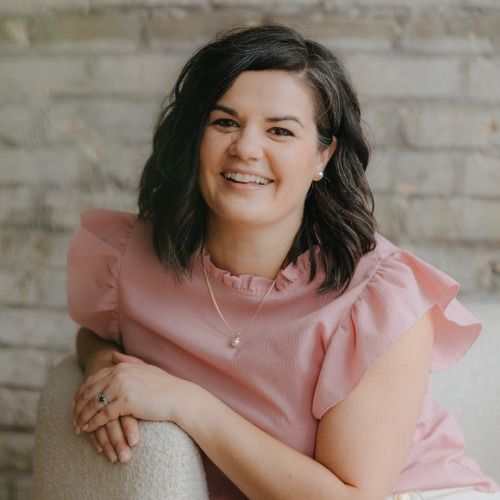
Shawna:And I'm Shawna, behavior analysis.
Brittany:And we're your hosts at Neurodiversally Speaking.
Shawna:This is a podcast where we bridge the gap between research and practice, exploring autism and neurodiversity through the lens of speech and behavior.
Brittany:Whether you're a parent or a professional, we'll give you practical tips to bring into your home or your next therapy session.
Shawna:Let's get started.
Narrator:Welcome to the Neurodiversally Speaking podcast with Brittany Clark and Shawna Fleming from Elemenoe, brought to you by The Sensory Supply.
While we aim to make Neurodiversally Speaking suitable for all audiences, mature subject matter can sometimes be discussed, suitable only for those over the age of 18.
If you're under the age of 18, please talk to your parent or guardian before listening to our show or listen together with them to stay up to date on new episode releases and show updates. Connect with us on Instagram @NeurodiversallySpeaking.
You can also send us listener questions to address on the show at hello@NeurodiversallySpeaking.com Neurodiversally Speaking starts now.
Brittany:Hey, everyone. Welcome back to neurodiversely Speaking.
Shawna:I'm Brittany and Shauna.
Brittany:Thanks for joining us here today. We want to talk about something that really just hits home to our collaborative practice and approach.
I want to share what I wish every ABA therapist knew about speech, language and literacy, with a few caveats. I can't fit a master's degree into this next few 50 or 50 minutes, certainly.
And I'm, I'm not going to touch on many, many things that probably could be included in this episode.
What I wanted to kind of highlight and what I thought would be cool to share with our listeners is some of the things that if you're a BCBA or a behavior analyst, that these are some cool things that you could learn from speech pathology. Again, I'm not.
I'm just going to, like, skim the surface on most things, but I thought, hey, it'd Be cool to share with our listeners, like what we've sort of lear from each other. And so that's the purpose of this episode is like some cool things I think I am constantly sharing with our behavior analysis team.
Whether that's like the. The frontline therapist, whatever you call them, Instructor therapists or BTs or whatnot, and some tips that I find I'm giving to them.
And then also some cool things that I've had really good discussions with BCBAs in the past. So that's sort of my idea for today. Perfect. Sounds great.
Shawna:Before you dive in, if you're listening, if you hit the follow button on whatever podcast platform you're listening on, then you'll get every episode is automatically sent to you and it does us a huge favor. So please consider hitting that follow button.
Brittany:Yeah. And if you've got an idea for another episode, please share it with us. We love to get input from our listeners, so thanks for listening.
So today again, we're talking about what, me as a speech pathologist, some little tips or nuggets or like little bits of information that I think are helpful for our behavior analysis team and, and, and occupational. Like anyone really other health professional. Health professionals working on the team. So what do we do as speech pathologists?
One of the biggest things that I want to start with is some confusion. And this happened to me actually just. Yes.
Shawna:Yesterday.
Brittany:I don't know this. Earlier this week in the clinic, the mom was saying, like, oh, he's been in speech therapy and he's doing speech therapy.
And this kid came and I was like, there's no way that he was doing speech therapy. Like, I wonder if it was language therapy. And so parents often will call it speech therap.
Shawna:Really?
Brittany:They're talking about language therapy. And it's obviously because our title is speech and language.
And so I was saying to the BCBA I was working with, like, oh, I really want to know more about what the goals were. Were they truly working on an R sound? Because this was a kid who.
Awesome, awesome kid who did have an R distortion, but he was running sort of all around the clinics, like, locking himself behind a door and like, doing some interesting things that I thought, like, I don't think this kid is sitting, like, working on an R sound. I think probably they working on like, language development and like, some other things. And so because speech.
Shawna:True speech therapy requires a lot of sitting and attending and instruction, following is sort of what you're saying, like to do an R thing.
Brittany:Yes.
Shawna:It's like you got to really look. And R is, I know from you, particularly challenging because you can't see anything.
And so you got to be, like, looking, you know, anyways, really good.
Brittany:Thank you.
Shawna:Yeah.
Brittany:Like, good imitation skills, good attending skills. You're right. Like, good. Like, instruction following all of these things. And I thought, I just can't. I'm.
I would be very surprised if that was, like, the focus of their treatment. So.
Shawna:And then the other thing with this, that, of course, is, like, if your language is quite delayed, who cares about the R sound? Right, right, right. And I'm sure that's what your, like,.
Brittany:Your soapbox is always, always like. I'll. I'll say to parents, it's not that I don't care about their speech. Is that, like, we've got to kind of prioritize here? You're right.
So what is speech and what is language and what is communication? So I think these terms are often used as if they're interchangeable, and they're really not. And so, you know, sometimes, like on. For.
If we tell parents to look up, like, oh, do you have ins. Extended health benefits for speech therapy? And so it will be called speech therapy often as the title, but it's. These are different terms.
So speech is the way we move our lips, our tongue, our mouth, our jaw to articulate our sounds. They're the sounds in I'm speaking English. So the sounds of the English language, they're how we articulate them.
And under that, we've got some categories that I'll talk about in a little bit, but speech, essentially, if I'm working on speech therapy, it's likely one of those things in helping a child or adult produce a specific sound with their mouth in a certain way. So, for example, I might help a kid who wants to say a spider man. It's his favorite thing.
And he maybe says cider man, and he's dropping that P sound. So then I'm going to help him, you know, and work on that specific sound. And so that's what I would call speech therapy.
Whereas language is asking questions, like answering questions, commenting, labeling, the ability to say no or protest something, putting words together, understanding, giving a narrative, like answering that question, how was your day today? And telling you what you did today.
Language also includes eventually reading and writing as a component of, like, how we put all those words together. And so speech and language, to me are quite different. And then communication is like this big umbrella.
It's like our wants, our needs, our thoughts, our feelings, connection that we communicate through maybe speech or AAC or gestures, facial express through writing or signs or whatever works. So like communication is sort of your mode.
And so I often tell parents that like speech often develops first as in a baby starts to babble and they're babbling and they might be saying like, it's like my favorite thing ever when babies are babbling. I just love it, love it, love it. And so speech you might hear really early and so you might. We get parents all the time.
And then I'll say like, oh, he was talking at five, five months. And I'll say like oh cool, that he was probably babbling. And they're like, no, he was saying dad know. Because he says like da da da da da da da da.
And so I, I would say usually that the child or the baby at that time is like speaking those, they're playing around with their voice and they're learning sort of how to put those speech sounds together. They're probably saying da da da da da for everything.
You know, if they're looking at the ball or if they're looking at the window or looking at a dog. And it's probably not the word dad at that point. And so the speech kind of starts that way.
But then language really takes over and so language skills then start to sort of explode. And sometimes I'll tell parents that their language can't, the child's language then explodes and can go faster than their speech sounds.
So then we've got say an 18 month to a 2 year old, for example, really starting to build on words and their speech is not going to sound perfect and we don't expect it to be and we don't need it to be. And so then they're saying, you know, data up or they're saying mama uter or something like that. And we know that they mean mom, I want my soother.
But it's not going to be in this perfect speech. And so the language is meant to sort of like grow and expand.
And the speech, I usually tell parents like, let's not focus on the speech right now, let's just continue to build that language and we can focus on speech sort of if it continues to not develop. But right now we're focused on that language. Right. And so again, they might, a kid might say like yet though. And what they mean is let's go.
So the language is there, the idea is there, they're communicating their message even though the speech isn't perfect. And that's okay. Yeah.
So I wanted to say like kids that we've seen We've seen kids who have these like, excellent language skills who their speech is hard to understand.
And I would say like if that child is six years old or seven years old, you know, that's when we would expect their speech sounds to be much clearer, for example. But if it's an 18 month old who's got a sentence and we don't fully understand it, that would be very reasonable. Yes, for sure.
Shawna:And I'm always surprised, you know, when I'm working with speech pathologists, learning sort of when are you supposed to understand them? And like what does that progression look like?
Yeah, and I think something that we often talk to parents about too is sometimes the kids that come to us might be 3 or 4 by the time they're talking using speech. And so then of course they haven't practiced as much as like an 18 month old.
And so sometimes they might get that precision a little bit later because they have more time to practice.
Brittany:Practice, right. Yeah, exactly.
there's a study that I love,:And so that's for what a parent should be able to understand. There is another new study that I wish I had linked here. I'll put it in the show.
Notes about what others would, would typically understand from a child. And it's, it's quite different. And so I'll share that as well. But I apologize, I don't have that off, off the top here.
Shawna:I have funny anecdote I was going to tell you. My younger one borrowed a toy from the clinic and in it is an octopus. But he can't say octopus for the life of him.
Brittany:I don't know what it is.
Shawna:Yeah, he's three.
Brittany:Yeah, octopus.
Shawna:I don't know, it's like he like just gets so confused in the word.
Brittany:Yeah, yeah.
Shawna:And I was like, oh, it's octopus. And he tried twice and then he goes, nah, it's a squid.
Brittany:Oh my gosh, that's so cute.
Shawna:I'm not doing this with you. It's not an octopus, it's a squid.
Brittany:It's so cute. I love that. I love that.
Shawna:Funny guy.
Brittany:Yeah, that's an example of. So another parent said to me, I was doing a speech intake this week and they, she said, well, he's so bright and his language is so good.
If I don't understand him, he's trying to say mountain or something like that. She said, oh, he'll just say it's hill. Like he'll just like change it.
And I was like, oh, that actually shows me that he's got this really good language and that the speech made be the focus that we need to prioritize right now. So it's like always kind of thinking like how are we weighing the, the priorities right now? And sometimes it's speech and sometimes it's language.
Shawna:Yeah.
Brittany:And it can really, even for one child, change depending on where they're at.
Shawna:Yeah. I would say for us at the clinic it certainly does change. Right.
We'll do a big language push and then maybe like a short speech blog and then sort of often end up switching back to that language component.
Brittany:Right, exactly.
So this part I'm going to keep kind of brief, but I like to explain to parents and other professionals under speech therapy there are sometimes different things I'm looking at. And so there's articulation, there's phonology, and then there's motor speech. And so again, this is going to be like a very overgeneralization.
If you're a speech pathologist listening to this, especially if you work with speech sound disorders, you probably think, oh, Brittany, you've like very over generalized that. But that's my sort of hope here is just to give like a quick brief overview.
And so when I'm talking to parents, I might say something like, okay, articulation would be like the child can't produce one or a specific sound. For example, there might be a sound distortion. And so for example, we might get a client who maybe says instead of sleep, they say like sleep.
And so there a sound is coming out in the different part of their mouth from where we would typically produce it. And so that's what I would call an articulation disorder. So that's what I'm looking for.
Like is it true articulation and is it like the sound is just different or distorted from what it should be.
Shawna:And it's just like that sound.
Brittany:Yeah, exactly. And then there's usually not the, like the next thing that I'm going to talk about is like usually like a repeatable pattern.
And so with articulation disorder, probably every S, for example, they would do with that sound, they might say like a slippery slope or something like that and that would be repeated. But then usually it's just like one or a few specific sounds that they're Misproducing, then we have phonology or phonological disorder.
This is about the sound system, not one off sounds.
So when I start, and sometimes I'll tell my students this too, if I'm starting a test and the parent has a concern about speech, I'll just get to know the child and start with like some conversation or a game or something like that. And I'm listening to. Is it like this repeatable pattern?
Can I actually, like, predict what this child is going to do based on some of the things that they're doing? So, for example, dropping N sounds on every word.
Then usually I can like predict that they're probably going to drop all of this, like, class of sounds at the ends of the words or if they're like swapping out a whole class of sounds. So for example, some kids produce the back sound at the front. So they might say tootie instead of cookie. And so they're fronting everything.
And so then I would predict, like, I can almost guess what the child is going to say when I'm doing this phonology test. Like, oh, yeah, they're probably going to produce this as this because it's like this class system. And so that's phonological disorder.
And usually we have to treat that quite differently from articulation.
So again, because I don't want to go too deep, the next sort of thing is motor speech speech or apraxia childhood Apraxia speech is a planning, motor planning problem. So the brain knows what they want to say, but struggles to plan and sequence those movements. These errors tend to be quite inconsistent.
So you might have someone that says like banana, Kaplan, flamlana or whatever for banana. And so usually it's like a sequence of the movements. That's tricky. And so that's motor speech.
So all of that to say there's like different sort of things that I'm looking for in even just like speech therapy. That and sort of why this matters for ABA therapists.
If a kid isn't like, making progress on their speech sounds, then, you know, you might flag to a speech pathologist.
And if there's any way that you can say, like, oh, you know what I've noticed, like this pattern is sort of if you can write down some words that the child is constantly saying, then you're noticing like, oh, I noticed when he says banana, it's always bah or whatever it is, then that just helps the speeches. I'll just have a little bit of data to say, oh, okay, then I'm going To maybe explore like these patterns or something like that.
Shawna:Right.
And I think one of the things that's great about that collaborative practice there is any sort of articulation or like phonological concern or motor speech. All three require a lot of practice in order to make improvement. Right. Because like you're like retraining the brain.
And so in ABA sessions, you know, if we're naturally going to be practicing these words, then we may as well be doing what the speech pathologist says is best practice. Right, right. And so I think that's where the collaboration really comes in.
And not just letting things slide or being like, oh, they're seeing a speech pathologist weekly for this. So like, I don't need to be involved. No, no. Reach out to the speech with all. See how you can support it.
Brittany:Right.
Shawna:In the sessions, if you can. Right. Sometimes initially. I know.
Certainly at the clinic anyways, we'll have the speech pathologist or the communicative disorder assistant do the treatment only for a little bit and see if we can get it more precise or figure out like exactly the right strategy.
Brittany:Right.
Shawna:But then for generalization or some of that. More mass pract. Exactly.
Then the ABA team could be using it potentially as a therapy activity or at the very least within session if they're seeing cider instead of spider. Know what to do.
Brittany:Yeah.
Shawna:Are you. Are we just like moving on, doing nothing? Am I taking a second to like do this?
Brittany:Yeah.
Shawna:Am I like, you know.
Brittany:Exactly.
Shawna:And then the other thing I was thinking as you were talking to and shout out to our previous episode with Brooke on Apraxia has a lot of co occurrence with autism.
Brittany:Yes.
Shawna:And so if you're a behavior analyst, you should not be treating that and should be collaborating with others. Shouldn't really diagnose it, suggest it, etc, out of our scope.
But we want to work with the speech pathologist and speech pathology team instead of using just like modeling and reinforcement. Because that could actually be like counterproductive at times. Right.
It could be punishing to their speech if we made them keep practicing the sound over and over and over and over and over again.
Brittany:Yeah.
Shawna:It's so hard for them and especially if we're doing it in the wrong way. Right. Like I know from you how certain sounds are made in the mouth and that sort of thing. I can probably like take a stab at what you might do.
Brittany:Sure. Right.
Shawna:But I wouldn't, I would wait for you and then get you to be like, oh yeah, do this thing. And so I do think there's Lots of opportunities to collaborate if you're noticing those sounds.
And then the other thing, of course, is the speech pathologist knows when those sounds develop.
Brittany:Yes.
Shawna:And so would know. Oh, you know what? Don't worry. Like, it's actually normal for him to be dropping all the ending sounds right now.
Brittany:Exactly.
Shawna:Because he's just been talking for two months.
Brittany:Or, you know, like.
Shawna:Yeah, they'll know the developmental science of the speech is what I'm trying to say.
Brittany:Yeah, exactly. We've got great charts and things that we follow that we could easily show. I actually just sent one to a behavioralist this week.
I was like, you're like, oh, I didn't realize that, like, th was actually one of the harder ones to produce. And it was actually later developing. Whereas, like, that D sound like. Oh, yeah. I guess he. You know.
And so again, why I kind of separate articulation, phonology and motor speech, though, too, is like a D sound could be easy for someone, but in different contexts or depending on sort of what the problem problem is the underlying mechanism. Yeah, exactly. Then it might. D sounds might be really hard for them, and it might not be mastered at 2. You know what I mean?
So it's like, it's not quite so simple. Yes. And so then pull in your speech pathologist to talk about speech and language or communication.
And know that we sometimes might work on one of these things. All of these things.
Shawna:Exactly.
Brittany:Exactly.
Shawna:And then I think the other piece, beyond the speech and language component that I really love when we collaborate is the developmental science that you guys get in your masters. Masters. My ABA coursework did not cover developmental psychology in any way. I don't. Not that I recall, anyways.
Brittany:Yeah. Yeah.
Shawna:And so I think it's really important. And I thought of this one example that lives in my brain. Yeah, it's very old. I was like, 10 years ago. Yeah.
I had this child, and he was making incredible progress. And in aba, we often use these assessments, like the Ables or the V map. And it's like a chart that you move up.
So once you check or I don't do this, but this is sort of the way that I was trained. And the way that many ABA practices have run is, like, once they get B1, then you move on to B2, then you move on to B3.
And it's not in any sort of developmental. Like, there's no developmental notes on it.
It says, like, this assessment's good for kids up to 7, 8, but it doesn't say, like, you know, like, stop here. If there are three.
Brittany:Yeah, yeah.
Shawna:So I'm working with this guy. He's flying through things like responded really well to ABA therapy, started talking. Yeah. And so, so he.
We are working on imitation, which I believe is D on able. It's been a long time since I ran one. And so there's D1. D1 might be like object imitation. And then it'll be like, can imitate with objects.
Brittany:Yeah.
Shawna:D2 might be gross motor imitation. Exactly.
Brittany:Can you. So you go, I jump.
Shawna:You jump? Yeah, I clap. You clap. Yeah. And then eventually. So we mastered all these things. The one of them is fine motor imitation.
Narrator:Right.
Shawna:And this was almost like a standard program that went in for actually most kids that we worked with. So if I went and saw a kid, we were always doing imitation. Chin, fine motor, gross motor object.
We were tracking hands and maybe some like joint attention and eye contact. And everyone had sort of the same thing. Right.
Brittany:Anyways, sorry.
Shawna:So this kid, we're doing fine motor imitation. And the target was to do two.
Brittany:Right.
Shawna:I worked with him for so long.
Brittany:To do this too. Because she's like putting up a piece, for example. Yeah.
Shawna:I worked with him for so long, I was like, why can he not get darn thing. Tried so many things, but stickers on his fingers. Like he got better. But again, like in aba, we like, like precision.
It's like wasn't like point to point correspondence. And so we the state in acquisition for a really long time.
And then when I had my own kids, I was looking into like handwriting and like, I don't know, the muscles in the hand. I was like, oh my gosh, this poor two and a half year old should never have been working on making a peace sign. Like that is so tricky for him.
Or it might, might have been like something else weird. Like maybe three, I can't remember.
Brittany:Right.
Shawna:But anyways, now that I look back, I'm like, no wonder that like this kid was flogging through targets.
Brittany:Yeah, yeah, yeah.
Shawna:And then this one we. I don't know why, just like hammered it in.
Brittany:Right.
Shawna:You know, and so like, if something's not happening, as a clinician, pause and step back. And this is. I just think it like highlights why collaboration is really important.
In this case, it would have been an OT that would have flagged it, not a speech pathologist.
Brittany:Yeah, yeah, yeah.
Shawna:But someone could have flanked that to be like, this is not an appropriate target.
Brittany:Exactly.
Shawna:Just because it's on the assessment doesn't mean you change.
Brittany:Yeah. And that's where I love as A speech pathologist coming to the ABA team too.
For example, like, we've got a client in the clinic who's like doing clinician led tasks, I guess you would call it like some learning stuff for one minute and then we've got a pause where he's doing like, he's kind of guiding things for five minutes. Or I forget what it is. But, like, I wouldn't be the person to design that type schedule.
Or I wouldn't be the person to say, like, understand why my client's running out of the room and try to interpret like, or I think the function, I mean, I can have a hypothesis, but I'm going to come to you to say like, why do you think my client's always running away?
Shawna:Yes, right, exactly.
Brittany:To understand the function of that behavior. Similarly, you're not going to say, well, this, he's definitely got a motor speech, you know, disorder, and diagnose that.
Shawna:Yeah, yeah, we got to come together. Yeah. And like are better together.
Brittany:Yeah, exactly, exactly.
Shawna:And I think this is a great story, this guy with the imitation. But we see there's more examples that we work on at the clinic often. And I think some of the things I've picked up from you.
So, like, what do you do when the child is saying one word? When do you start expecting two words? When do you model two words? When do you model full sentences? Right.
And what does the progression look like with that? So instead of blue ball. Right. In aba, sometimes we might be like,.
Brittany:Okay, they said ball. Yeah.
Shawna:Now they say blue ball.
Brittany:Right.
Shawna:And then, I don't know, three months from now, I'm expecting, I want the blue ball.
Brittany:Right, Right.
Shawna:Whereas it would have been smarter to not increase their MLU or mean length utterance, it would have been smarter to work on their language and keep building out those concepts. Right. Instead of just and then I want is like, makes my skin crawl and please. Yes, yes, both. Yes is like, I want is overtrained often in aba.
And I do want to talk about that, but I think, I think we'll get to it later. And is this idea of only working on requests is another way that we collaborate really well, but that I want phrase tends to be a default.
And then again, I will tell you on the ables, there is sections where they have to say like, I want. I see, I have.
And so again, as a behavior analyst, if you don't know much about language development, then you want to check off these and you want your assessment to show improvements. Right. Then you want to check these things off and it's actually not appropriate or like it adds nothing. I want. Adds nothing.
Brittany:Yeah, yeah, just a blue ball. It just becomes this like rote phrase that they're sort of cycling through. I want. I see. You know that it doesn't make sense. Exactly. Yeah, exactly.
Shawna:So I think those are like really great oper. And then same with this. I, I'll often come to you and be like, oh, what is the language target here? You know, like not I want.
Brittany:Right, right.
Shawna:What are some other other sentence starters or like what are developmentally even like from a sound perspective.
But then also developmentally there is certain words that come before others and like I don't have this on my list but also going to talk about it is that developmental sequencing of say prepositions.
Brittany:Yeah.
Shawna:So I have again, old, old school ABA or old Shauna. We've got in, on, under, in front, behind. Right, whatever. And so in my program I have.
Brittany:All eight of those.
Shawna:Right, right. In order to master this program, I'm going to teach them. Okay. First in front, then behind, then Right, right, right. No matter how old they are.
Brittany:Yeah, right.
Shawna:It would not be developmentally appropriate for a two year old to be somebody to be using those, some of those prepositions. You know, I've, I've over trained them now to like be doing prepositions at an inappropriate time.
Brittany:Right.
Shawna:And it's not that like you're probably thinking, oh, there's no harm. Like they just know a lot of prepositions don't now.
But what I missed out on was teaching them other things that actually were in their developmental window and that they should have achieved and instead I worked on the adjectives of spiky and flat or something, you know, and that just like wasn't appropriate.
Brittany:Right.
Shawna:Or like developmentally sequenced. And then if we target things in a developmental sequence, I find that kids actually usually acquire them faster.
Brittany:Imagine that. Imagine that. Yeah, exactly.
Shawna:And so again the speech team can be really good for figuring out out what is the order that they learn that their prepositions are generally acquired in.
Brittany:Right. Yeah, yeah. You're not going to teach like next to and behind before they've got like in and out, for example or something like that. Exactly.
Yeah, yeah, yes.
Shawna:And then another one that I thought of that I've learned from the speech pathologist is these WH questions again on the assessment, it's going to say answers 25. What questions? 25 Where questions?
Brittany:Yeah. Why, how, whatever.
Shawna:And so I'm going to check those off on my assessment I'm just going to teach them all at once. Right. And, like, that's, like, not right either.
Brittany:Right, right.
Shawna:Because developmentally, we know that, like, what and where come first and then who, you know, like, there's a plan.
And so, again, I think leaning on the speech team for some of those targets and support in selecting even, like, who questions, like, what types of who questions are appropriate. And then some of that comes down to their language profile, too. Right.
Which, like, as a behavior analyst, not something that we get a lot of education in, I think. I think with experience you learn, but a really great opportunity to collaborate.
Brittany:Right, right. And the difference between, like, if you're thinking just on a test, like, if. If I've got a child and mom's in the room and I say, who's that?
Shawna:Exactly.
Brittany:You know, then they might be able to say, mama. And great. You can check that off. But if I said, like, who's the President of the United States?
Shawna:Or something like crazy, like, they're not.
Brittany:Gonna be able to answer that question for sure. And so it's the same kind of, like, question in air quotes, but it's so different. And so understand. I mean, yeah, that's, like, silly example, but.
Yeah.
Shawna:Well, it did. As an aside, one thing that I think behavior analysts do that's kind of cool within this WH question.
Brittany:Yes.
Shawna:Is I have a WH question assessment that I've put together to see whether it's the. If I ask you a what question, are you giving me a thing as an answer? If I ask you a who question, are you giving me a person?
Brittany:Right.
Shawna:An answer.
Brittany:Right.
Shawna:So that's one assessment. And I'd go through each of the WH types and then the other one, because. And so we. The scoring of that is if I said, who do you see when you're sick?
And they said, mama. Right. I'm scoring that as correct for this assessment because they gave me a person response.
And so it takes sort of the language aspect a lot of the language out of it, where maybe they, like, genuinely don't know who they see when they're sick. Like, they don't know what a doctor is or that word.
Brittany:Yeah, yeah, yeah.
Shawna:And so take some of the language component out of it. And then you could do, like, a more classic sort of deep dive into question discrimination to figure out which components are tricky.
And that's where I think, again, the collaborative practice is really beneficial.
Brittany:So especially I go to ABA all the time for WH questions because we know with our neurodiverse Learners, that can be so tricky. So answering the question, like, how old are you? What's your name? And who's. I don't know. One other question. Right.
It can be so tricky, and then they're getting them mixed up. And so I find, as a speech pathologist, I'm going to come to the Be, Like, I might have an idea from a language perspective or, like, developmental.
What I think should be next, but how to teach it. I might come to you guys.
Shawna:Yeah, yeah, exactly.
And again, I think as behavior analysts, you can sort of sit there and watch the child's responses and try and figure out, like, often they don't listen to the beginning part of the question and just hear the last word. Throw something out there and hope for reinforcement and move along.
Brittany:Anyways.
Shawna:Yes.
Brittany:Collaborative practice. So important.
Shawna:The final thing I was gonna say that I think at the clinic we do really well is pronouns. Pronouns are very tricky.
Brittany:Very tricky. Yeah.
Shawna:And I, as a behavior analyst, of course, no part of my schooling taught me anything about pronouns. And so again, I might just put in all of them at once. He, she, it. They.
Brittany:You learn them all. Yeah, yeah, yeah, exactly.
Shawna:And then you. I. I don't even know what you call these, but they. There's different pronouns. Like her and him are different than he and she.
Brittany:Possessive versus first person. Yeah, exactly.
Shawna:And like, which one of those comes first?
Brittany:First.
Shawna:What's the sequencing of that? Should I use pronouns? I came up this week at the clinic, right.
Where I think as a behavior analyst, sometimes you might have been trained to never use pronouns. Right. To say, or. I don't know. Shauna's just a name, not a pronoun.
Brittany:Right, right, right.
Shawna:So. But I might say speak, like, shauna, Shauna, give it to you.
Brittany:Yes, yes. Right, yeah.
Shawna:And then instead you would say to me, say, say, say, do you want this? Or, like, should I give it to you?
Brittany:Yes, exactly.
Shawna:Don't be afraid of the I and the you.
Brittany:This was the exact example that I came up with one of our BTs this week because she was saying like, britney, give it, or Johnny, give it. And I was like, oh, gosh, he will never learn. I know it's confusing with I and you because I said every time you. Like you just did there, right?
Every time you want to model it, you're saying like, oh, do you want it or do I want it? And he might say, you want it? He might mean, I want it, but he's never gonna learn if we never get him that opportunity.
And so I was saying, like, please, don't, like, speak like a robot. Please use grammar, because otherwise he's not gonna pick it up. And so for this guy, he is starting to combine three words.
And so now is a great time for him to, like, really be reinforcing that I, you, me, and, like, start with those guys. So.
Shawna:Yeah, exactly.
Brittany:Totally came up.
Shawna:And I think there's, like, I'm not saying never like that. You always need to use pronouns in front of painful sentences.
But we don't want to default to something that's depriving the child of the opportunity to learn. Right. If for whatever reason. I'm not sure what the reason would be, but we somewhat. Like, for a specific child, maybe you should use Shauna versus I.
You know, I don't know what the rationale would be potentially, you know, but we shouldn't use that as a blanket.
Brittany:Right.
Shawna:We're coming in and just depriving these children of access to language.
Brittany:Right.
Shawna:Because we're simply not modeling it or have decided that that would be too complicated for them.
Brittany:Right. And.
And I would say, like we talked about, like, those pronouns are so tricky for a lot of children as they're developing language, but especially our neurodiverse learners also, because there's perspective taking in it. So, like, I and you and me.
Narrator:Yes.
Brittany:Is different depending on the context. And so that can actually be really tricky.
And so if those kids, after speaking and after three, they're not using them, great opportunity to then pull in a speech path to, like, give you those models. Yeah, exactly.
Shawna:And then I think the development sequencing is really, really helpful, especially because most of the time, the learners that we see have a unique learning profile. Right. They've got, like, strengths in one area and then other areas of deficit. And so applying the developmental science is tricky.
And that's where, again, like, working with someone else who really knows it very well can be very helpful.
Brittany:Yeah. And so another question I get often from parents and other professionals that aren't.
Speech and language are about counting words and what does that look like? So I wanted to touch on that next. Again, I divided the speech is different from language.
But sometimes I'll ask parents, like, okay, well, how many words are they saying? How many? Just to sort of get an idea of their vocabulary, vocabulary in their language.
And so a kid might have, like, a hundred words, but then it's also important, like, how are they using them? And so I look at, like, what are the different. And we put both.
Do both behavior analysis and speech pathology would look at, like, what are the sort of different functions, like can they request, can they ask questions or protest or can they, you know, share information?
Shawna:I did want to stop here because I do think it's such an interesting or not even debate really. But something that is a point of contention in collaboration with SLPs and behavior analysts is the different functions of communication.
Like you were saying, requesting, commenting, protesting, etc. A lot of the times I think speech pathologists will say bcpas only work on requesting and criticized really for that. And. And I say back to that.
Yes, we do often work on requesting first.
Brittany:Right.
Shawna:But that's because we work mostly with children that have autism.
Brittany:Yeah, yeah.
Shawna:And requesting has like an immediate reinforcer.
Brittany:Right.
Shawna:You to have for something, you get it right away. So it really shows the power of communication and makes it really valuable.
I would say requesting, though, is a pretty broad term because there's requesting things, you could request attention, you can request help, you can request to go.
You know, like those are all requests as well that I think sometimes speech pathologists, when they think of us working on requests, think of us saying chips and cookies, you know.
Brittany:Yeah, yeah, yeah, yeah.
And it's hard for me to like, pull my current brain out of like, what a, you know, what another speech path might think because we're so collaborative.
Shawna:Yeah, yeah. That I don't think that way.
Brittany:But yeah, I hear what you're saying. And that could be like a criticism that some listeners might have. Exactly.
Shawna:And I think that the thing is, is like, I think anyways, good. ABA is modeling commenting. They are modeling asking questions or answering questions.
But because of the social communication deficit of autism, those behaviors are less motivating than some, sometimes most of the time for kids. I certainly. We have a client right now at the clinic. I don't know. It's been a long time since I had a client like this.
He's only labeling things and not requesting things. Oh, it's like the reverse of like everything. Oh, yeah. And so I would say in behavior analysis, we might say, like we call the mans, right.
Which is a broad term for requests. But even on the list that you said, like under requesting, protesting would be like a request to stop.
Brittany:Yeah, yeah, yeah. Right, right, yeah.
Shawna:Um, and so there's other way. Like there. It's a big umbrella and doesn't mean that we're only working on them asking for a cookie.
Brittany:Yeah, yeah, yeah, yeah, exactly. Uh, so that was only one little.
Shawna:Aside that I thought. Oh, bcpas are often criticized for man training. And I would criticize, I would echo that sentiment.
We should provide Lots of opportunities for language.
But with the profile, with the clients that we generally work with, which is an autism profile they're requesting, is the way that usually we can show them the power of talking. And, like, you know, this is why this is so fun. If you talk to me, I can make this even better.
Brittany:Yeah, exactly. So great sort of side comment. And I love that I had one.
Shawna:Other thing I was going to say as a criticism under. This is only using the picture exchange system.
Brittany:Ah, yeah.
Shawna:Is another one. Right. Like those picture cards was. The second thing I was thinking are like, those are two big criticisms. When we look at. Oh, whoops, sorry.
When we look at language building is focusing only on the manding or requesting.
Brittany:Right.
Shawna:And then using their voice or pictures. And I myself am guilty of that for sure. And I think it's something. A way that we've really grown in the last six, seven years is really expanding.
So that communication or language can be you pushing something away, it can be you nodding. There's lots of different ways to build language beyond just their voice and beyond just a picture curse system.
Brittany:Yeah, yeah. Like acknowledging different forms of communication. Like this multimodal kind of approach. Exactly.
Shawna:And that's again, where speech pathology can be really helpful. It's like, what are some of the, like, common gestures for that?
What's some ways that we could communicate that if they're not using their voice right now.
Brittany:Right, right.
Shawna:That sort of thing.
Brittany:Cool. Love it. Totally different from the things that I was thinking, which is great.
And so I was thinking about talking how parents and other professionals might think again, kind of back to this idea of counting words and, like, how many words can the child say or whatnot?
Um, and my thought was a child might like, I've had some kids come into the clinic who can have a hundred words, but they're all scripts or they're all like. Like things that they've memorized from Bluey or a TV show or something like that.
Or a parent might say, like, I know we've talked about this in other episodes.
Like, the child can count from one to 300, but they're not saying go or open or like, some things that would be helpful in their life to get their wants and needs met. Like ask for things or help get help from something. You know, the word count.
You have to, like, dig a little bit deeper and get curious and understand it.
But I was thinking from a speech and language perspective as well that I know parents sometimes think, well, it's got to be perfect for it to be counted as a word. And I would say, not at all. So if your kid says oohes for shoes and they always say oohes, that's something my sister said.
It was so cute when she's little. Like, Osha's. If that's her word and we count that as a word, it doesn't have to be the. That perfect speech to be counted as a word. Right.
And so that's something else that I wanted to acknowledge. And I remember I probably talked about this in another episode too, but one of our clients was saying emo. Emo every time she was shown a picture.
And the behavior tech was like, nope, not it. Try again. What is it? And she was like. And I was like, oh, my gosh.
Shawna:She's saying animal.
Brittany:Like, you.
Shawna:She.
Brittany:You should be giving her like, that. That's correct. And for her speech right now, that's perfect.
Shawna:So don't, like, penalize her.
Brittany:And so recognizing that, like, sometimes we gotta step back and say, like, oh, for her speech, that might be fine. And she's saying animal, but she's just dropping that middle syllable. And so, you know, that can be helpful.
I know there was another example this week where they called the speech team in because this client was saying, like, venmo or something like that. I forget what the word was. Was a different one.
And I said to the speech team, like, just go in and see if there's any phonology happening so that we can tell the ABA therapies. Oh, every time she's like, putting a sound in this way, you. I mean, it's hard for us to. But we. You might.
She might be saying this, like, for that biter for spider, for example. Like, anytime, you know, there's a cluster, they may be reducing it. And so help. But that might help. I don't know.
And so just thinking about some of those, like, ways that the speech and language come together.
Shawna:Right, Right.
Brittany:Love it. Yeah. All right. We dabbled into what I wanted to talk about next a little bit already is, like, why our own language matters.
And so we talk about all kinds of different examples. Like that one where the. The this past week where the person was like, shana, do it, or Johnny, do it. And I was like, our language really matters.
So it has to be that when I was talking to that same instructor therapist, she was saying, I have to think of the exact example, but, oh, she was like, go kitchen, Go kitchen. And I was like, ooh, this is like, making my skin curl. Like, we can say, go to the kitchen. Go to the kitchen. And so let's go to the kitchen.
Yeah, exactly. Like, we can add in some of those other grammatical markers and pieces. We don't want to speak like robots.
So our language matters so much and we want to be giving appropriate language models to the kids. So you're. You. You mentioned earlier, Shauna, about like, if they're saying one word, should I be modeling too?
And like I tried to tell parents, like a general example is you want to be sort of like one step ahead of your child. And so if your child is 18 months and they're saying one word, sort of, I would call it one word, phrase.
Like if they are saying apple, then you're going to come back and you're just, you're going to build on that slightly and you're going to say, eat an apple. You want to eat an apple. And so you're going to be modeling that like just chunk a little bit.
You're not going to say like, oh, should we go to the store and buy like a big phrase? So when you're wanting to like model that for them, you're kind of always one step ahead.
And so, yeah, just talking about like how to model that in our language really does matter for them.
But I think something that I've learned from ABA is like in speech pathology we're taught to just like talk, talk, talk all the time and like incessantly, like you want to be constantly language modeling and expanding and giving all these things and for typical language development. That's great. You know, you could like be going on a walk with your kid and saying, oh, the bird up high.
And he's doing this and like, just like non stop stop talking. But I've learned from ABA that we don't want our kids to like tune us out exactly. Because we're like actually over talking.
I mean, that could apply to all kids really.
Shawna:But like the argument with autism, of course, is the social communication deficit. Right. So there, I think a lot of the time, like we talk about this a lot. They can't do won't do scenario. Exactly is like I think a lot.
And same with reading actually. We think like the kids just maybe, maybe are in their own head about something.
And it's not that they can't learn, you know, it's that they're not learning.
And we think the reason they don't like acquire language or that sort of thing and maybe become like talkers when they're four instead of when they're two is that they're maybe just not taking in their environment.
Brittany:Right.
Shawna:And so if we are incessantly talking, then we are teaching them to keep not listening to us, because what we say doesn't matter.
Brittany:Doesn't matter. Right. And that goes back to kind of your Manning example.
Whereas, like, like, I'm gonna teach you something, you're gonna respond to it, and then I can give you this immediate, like, bubbles or a cool throw or like, something fun, and you'll realize that the simple communication can be really effective.
Shawna:Right. And like, I think with the kids that we have too, like, it's not about either whether you should, like, hardly talk or talk a lot.
Brittany:Right.
Shawna:It's like customizing it and figuring out what the kid likes too. We do find at the clinic, singing is a good one.
Brittany:Love it.
Shawna:And oftentimes that'll get the kids listening in. And then sometimes we can move from singing back into, like, a regular conversation. Voice can be a good strategy and good collaboration.
Brittany:Yeah.
Shawna:From a behavior perspective.
Brittany:Yeah.
Shawna:And so really customizing it to the child and then building with them. Right. It's not like forever. We're only saying, like, let's put it in or what, let's go to the kitchen.
Brittany:Yeah.
Shawna:You know, we're changing it up eventually, but for the first equ, like when we're trying to get them to acquire these things, it's good to give them, like, lots of practice, I would say.
Brittany:And that language consistency is important instead of the varying. Whereas, you know, we're taught to really vary things because that builds your language.
And so, yeah, just like, kind of being thoughtful about what strategy you're using at what time and, like, with what type of learner, I would say.
Shawna:And like, which, like, we do a lot of, I don't know, play change. Joint activity routines. Yeah, whatever. Activity routines with the children.
Brittany:Right.
Shawna:And in those, we'll often keep the language the same. So that's very predictable for the child.
Brittany:Right.
Shawna:And that way they know their expectations. Patients, they know when I say this, they do this and that sort of thing. And.
But then once it's going well, then that's when we start adding in those variations. Right.
And so we can apply the same principle, really, to their whole session where, like, initially I want to keep things sort of consistent, you know, what to expect, etc. This is the big car. It's a big car. Wow, look at the big car. It's coming down the ramp. Right, right. And really, my goal is big for whatever reason.
Brittany:Yeah, yeah, yeah.
Shawna:Here's our smoker. Um, so I'm going to keep using that big word over and over and over. And then by the end of the session, it could be like a. A fast car.
Brittany:Yeah, yeah, exactly, exactly. So think about what your learner is, what their stage is, what their language stage is at that moment.
And then are they at the stage where they can learn from that sort of language variability? And then there's so much language in so many activities that we do do.
So I'm sometimes teaching our instructor therapists, like, oh, you're playing with this punch puzzle. But it could be, like, such a nice way to also incorporate these prepositions, like, oh, put it in, take it out, take the dog out, or whatever.
And, like, make it more language rich by adding in some of that extra as you're making it fun, you know? Exactly. It doesn't have to be sort of drilled for sure.
Shawna:Yep.
Brittany:Yeah. And that leads me into thinking, like, language does happen everywhere, like, not just at a table.
And so that's another example of something that I coach sometimes. Like, our language matters. Literally just saying the table. Like, our therapist will say, like, okay, come to table now, and I'll be like.
That means, like, what does that mean.
Narrator:In the real world?
Shawna:Come learn with me would be much more appropriate.
Brittany:Exactly, exactly. Yeah. Come learn with me, you know, and,.
Shawna:Like, much more inviting.
Brittany:Yeah. Rather than go to table.
Shawna:So, like, robotic or like, I've seen, like, oh, my gosh.
Brittany:It, like, makes my skin crawl.
Shawna:Visual schedules and on it. Well, I'm trying to think of something like perspective taking beyond it. Why in the world is that? Like, put book.
Like, read a book together and pause to get the character's perspective. Don't put perspective taking on a visual schedule.
Brittany:Yeah, you're right.
Shawna:Nothing to that child. Yeah, yeah, yeah. It's so frustrating to me. Yes.
Brittany:So our language really, really matters.
Shawna:It really does.
Brittany:And if you're not sure, series slp. Yeah, exactly. But language really can be everywhere.
And so one of the things I love about our collaborative practice is we both learn from each other so many things, but how to bring language into this more natural, naturalistic sort of setting.
And that's something that our SLP team is always kind of bringing in cool new ideas in aba, you might call it net, or you might call it like, jars or something like that. These sort of. These, like, play chains and play routines. But bringing language into the therapy routines is so Something really cool that we do.
And so even at snack time, you know, you might be saying, like, oh, big cookie. Or like, open the bag rather than just, like, handing it to the child and like using some of these communication opportunities too.
So if they have a container and their, their favorite thing is a cookie, but it's in a container they can't open, maybe you're going to set it in front of them and see if they will initiate communication by asking you to open it or looking up at you or something like that. So another way that we can just sort of incorporate language into various aspects of our session.
Shawna:Yeah, for sure. And I do feel like speech pathologists are very good at that.
If you go sit in a speech session, you'll pick up lots of strategies that you can use sitting in. I used to, when I was a bt, I used to like volunteer and go to my clients speech sessions.
Brittany:Yeah.
Shawna:Because I found in the speech sessions they did such a nice job of bringing the language alive.
Brittany:Yeah, right.
Shawna:And again, sort of old aba, you use a lot of flashcards and stuff, you know, and like you can't teach big in a flashcard.
Brittany:No, you cannot.
Shawna:But they try.
Brittany:They sure try.
Shawna:Exactly. Again, like this is where the collaborative practice is like really helpful.
Brittany:Yeah, exactly. So then shifting over a little bit. Literacy is something I'm personally passionate about.
I actually don't do it a lot right now, but I love learning about literacy. I had an incredible, incredible mentor in my masters who taught me so many things and I just love continuing my learning on that.
But for a, in a lot of ABA therapists that I've worked with, they don't have a lot of experience. Right. We would know lots of kids who can read and a lot of kids who can read. Actually really not a lot.
But like there are a lot of kids who can read quite young and quite early.
And so then teasing apart some of the different components of reading, you know, talking about how, um, they may be able to decode, but then the comprehension is often quite understanding or the understanding. Sorry, is quite tricky. And, and those things like reading really requires both.
So the ability to know that D U C K spells duck but then also understand if I'm reading this book about a duck and I say like, oh, where did the duck go? Then you, you know, have to understand that he went in the pond or whatever. And so those are the like different components of reading.
And then some of the things like the tidbits that are, that I've taught our ABA team about reading is like the different sort of components. Again, so you've got the decoding, um, but then you've got phonological awareness.
So thinking about like playing with sounds and like Rhyming or alliteration like that the first sounds in all of the letters in the string might sound the same. And so playing around with sounds is like such an important precursor to like really being a confident reader.
Shawna:It's interesting with autism, I think, for sure.
And I think this is where really the collaborative practice is a necessity because like you said, a lot of, of kids with autism teach themselves to read and so they'll be an excellent reader. Right. Sight, words, everything. Like they can read content very fast.
Brittany:Yes. Right.
Shawna:And so they look like they can decode.
Brittany:Right.
Shawna:Because they don't stumble on any words.
Brittany:Yeah, yeah, yeah.
Shawna:And so you think that they know how to decode.
Brittany:Right.
Shawna:And if you're a behavior analyst, it doesn't really work on reading very often. And so you never teach them to decode because they really.
I don't know, I feel like the kids just have like insane memories and are just like sponges and pick up just sight reading rather than decoding, which like my typically developing children could never. Is this like insane memory bank. Anyway, so they look like very competent readers.
Brittany:Right.
Shawna:And then it's not until kind of they're older that you find out, oh my gosh, this person actually never learned how to read. Right. The way that you would expect from a developmental standpoint.
Instead they learned like from YouTube, watching videos and the like little subtitles.
Brittany:They just picked it up cuz their.
Shawna:Brains are so fast.
Brittany:Right, exactly. And so then spelling a new word might be tricky or writing something like they've never seen before.
Shawna:Yeah.
And so like, and then like at 8, you're working on decoding even though they could read this whole time, you know, and so again, that's where that collaborative practice is really interesting.
As a behavior analyst, you might think it looks like they're not motivated or like they're just like not telling you or like, you know, they, you could infer some sort of mentalistic thoughts around it.
Brittany:Yeah.
Shawna:Instead of diving into and figuring out like what's the actual skill deficit here? Like why are you not telling me that this says duck?
Brittany:Right.
Shawna:It wouldn't be duck for sure.
Brittany:Some really long word.
Shawna:But I think like the. Is it called Alexia?
Brittany:No.
Shawna:What's it called in autism when they're like excellent readers?
Brittany:Yeah, yeah.
Shawna:It's like that's something that does co. Occur with autism and comes up.
And so as a behavior analyst list, I think the collaboration piece is super helpful to really figure out where are their reading skills because I know sometimes you'll do an assessment and There's a decoding component. There's also a fluency component. So, like, how quickly can you read a passage? And then there's the comprehension component.
And sort of all three of those being important things to understand about the individual's reading, even if it seems like there's no problems in autism. I find, anyways.
Brittany:Yeah, exactly. And so the speech pathologist can look at, is it their decoding or is it their comprehension and sort of where we need to focus.
I would say one of the things that I. I'm constantly teaching some of our instructor therapists on when they're reading is just how to even segment and blend. Yes, yes.
Shawna:So tricky. It's like so weird. Feel like you're not doing it.
Brittany:Yeah.
Shawna:Like you're stopping too early.
Brittany:It's. It's something that seems so easy, but I find it. It's kind of like there's a lot of rules in my brain that I want the person to know and to apply.
So, for example, if I'm teaching a kid to read and we're starting with consonant, vowel, consonant. Say the word like cat, for example. I'm not going to say ca. Or like, I can't even do it because I. My speech brain just turns out to like. Yeah, like.
Shawna:Right, right. So you wouldn't get that.
Brittany:Yeah, right. Yeah, I would hate that. That would drive me crazy. Because you want to have just the phoneme itself. So.
Shawna:So not even if you can even hear the difference.
Brittany:Yes.
Shawna:You cannot say, but you can say, yeah, exactly.
Brittany:That would be my preference. And so if we're teaching cat, we're not going. You're right. Because we don't say.
Shawna:And so it's not even that exaggerated. Like, if I said k. Right. That sounds fine to me. You would say, no, thank you to that. It doesn't even have to be like.
It's just like, the way that you usually say is wrong. Please.
Brittany:Just as if, like. So. Yeah, exactly. And so if you're teaching that segmenting and blending, you want to go just with the phoneme and so K, a T, Cat, for example.
Shawna:Yes.
Brittany:Or if I pick in a different word. So dog, for example, we're not going to say D. Aw. Guh. Right, right. You're gonna say G. Aw. Sorry, what am I doing? Dog. D. Aw. G. And that's it.
So instead of like adding, we would. In species, we would call it a schwa or like a vowel to that sound. Right. And so again, it sounds so easy.
And hopefully I'm explaining this well enough to some of The ABA or other professionals. But same with like an S sound. You're not going to say S, you're just going to say S. And so just keep it to that phoneme itself.
If you're teaching that reading other things can be really tricky. Like can the word can C, a n. You would think it's like a normal consonant vowel consonant word, but I would argue that it's not.
We call it a welded sound. And so an. You want to say the an together, you don't want to say. Yeah, exactly. And so there's little things like this.
And so I'm like obsessed with almost all the stuff that like there's so many reading materials out there that sort of don't catch these nuances.
And so you and I spent a lot of time this last year developing our own workbook because it matters so much to me that you would like teach it from this instructional way to this. Teach proper like segmenting, blending and, and like putting the sounds together.
And then also start with those clean consonant vowel consonants and not introducing welded sounds or blends or diagraphs or anything yet before you sort of like got those basics. So if you're interested, I'll put it in the show notes.
But yeah, some of those things from phonology that you want to just think about how you're pronouncing your letters. Lowercase and uppercase is something that I'm also love talking about.
And so if I'm teaching a child to read whether they're neurodivergent or not, I like using lowercase letters because that's what you're going to see in print in a book. And those are the more common letters that you'll see the way the words are. But kids often learn the lower. The uppercase letters first.
And so you think of like the magnetic letters on your fridge or like any. If you're getting anything Alphabet related, it's almost always uppercase. And so there's a lot of exposure to the single letter in an uppercase form.
But then when you see letters in print, they're usually the sentence or lowercase. And so you got to match those. And so for some kids or exercise.
Shawna:For a brain, it's like trying to learn something. Yeah, one extra thing to do.
Brittany:Exactly. And so for a lot of kids, you gotta like teach them explicitly that this big letter M and this little letter M go together. Right.
That they're similar. But then if you're, if they've got some good letter knowledge, then.
And you're starting to build the reading, I would say, use lowercase letters then from there.
And so we've also developed some of our own letter mnemonics, these cute little letter things that can help some kids to learn the sound letter correspondence. So for example, the. That the O says, aw, and so it looks like an octopus, and the O actually looks like a cute little octopus.
So we've developed some of those that we can put in the show notes as well. But again, you would have to explicitly teach a kid that this also can look like an O and that those. You would pair it together. Together. Ah, okay.
Yeah. Do you know what I'm talking about? Yep. Yep.
Shawna:Cool.
Brittany:All right. So some of those little tidbits that I love on reading.
Shawna:Thanks for sharing. That's awesome.
Brittany:So, yeah, those are. I feel like, kind of jumped a little bit all over the place.
But talking about speech, language, and literacy, some of the tips that I would share, some of the things that I think we've learned from each other and that I.
Again, some of those things that I feel like I'm constantly sort of teaching new team members or teaching someone, like, oh, if you've never taught reading before before, this would be important for me to tell you. Or if. If you're working with a little one, this would be really important that you're not using your.
Your name or, you know, that you're modern language really nicely.
Shawna:Yeah. And I think for a behavior analyst, it's nice to know what types of things to reach out for.
You know, I think it's obvious if they're making an S sound in a weird way or something like that. That, of course. But maybe some of the other things that we talked about today hopefully inspired some collaborative conversation.
Brittany:Yeah.
Shawna:And I think what we often see is that we usually have unique areas, of course, that we are. That we love and are very interested in. But oftentimes when we're collaborating, I'm like, oh, okay, I see what you're saying.
Brittany:Great.
Shawna:And then I can use that to, like, improve the intervention or something like that, so.
Brittany:Yeah, exactly.
Shawna:We, of course, encourage collaboration and hope there's like, a couple good tidbits here. Or if you're a parent and your child's receiving both therapies. Therapies. How to help them collaborate or when to ask for collaboration.
When does it make sense to have that? And in our opinion, always so.
Brittany:Yeah, exactly. And I want to say there's so much more in our scope as a speech pathologist that I did not cover, of course, like stuttering or fluency.
Swallowing lots of other pieces of course that I didn't touch on.
And so we do have we talk about our scope of practice in one of our earlier episodes episodes quite in detail what sort of speech pathologists cover and what behavior analysis sort of our general scopes of practice. But we've also got a guide on our website that sort of like who does what that I often send to parents.
Like if you are looking and collaborating, sort of what what does an OT do versus what does a speech path do versus what does a behavior analyst do? So you can check out that guide too if you're not sure, sort of like who should be on your team, then that be helpful. Nice.
Shawna:Yeah, that's perfect. Thanks so much for listening today.
Brittany:Yeah, thanks everyone.
And so just again, as always, send us a note if you have an idea for another episode and hit that follow button so that you can be notified when other episodes come up.
Narrator:Thanks.
Shawna:Thanks. Bye.
Brittany:Before we go, we want to remind our listeners the topics we discuss in the podcast are not a replacement for professional medical advice. Please contact a professional if you have questions.
Shawna:And just a heads up, we'll use both identity first and person first language to respect different preferences. We'll also see treatment and therapy since we come from a clinical space, but always with respect and a focus on what works for each person.
Brittany:See you next time.
Shawna:Bye.