Episode 34
SLP-ABA Collaboration: ABA Strategies Every SLP Should Know
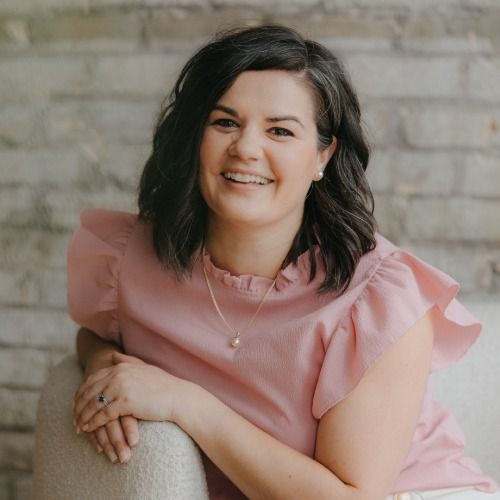
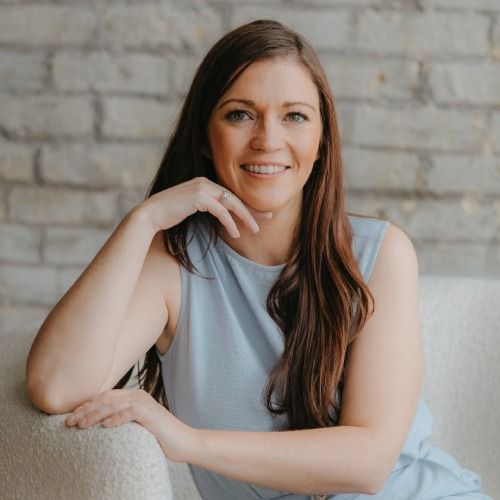
Time for Shawna to take the stage and chat about ABA strategies that all SLP's can use. Both ABA and SLP have great things to offer, so we believe using them together is always the best practice because teamwork truly makes the dream work.
Shawna walks us through ABA superpowers like the three‑term contingency (ABCs), digging into function versus topography, and how changing the environment - not the person - is usually the play. Brittany chimes in as an SLP who’s folded ABA tricks into her practice with real wins: smarter reinforcement, prompt fading, stimulus control, and using data so you actually know what’s working. We even nerd out on the seven dimensions of ABA - applied, behavioral, analytic, technological, conceptually systematic, effective, and generality - as a checklist for whether a goal is worth its salt. If you’re stuck on a stubborn goal or plateau, a fresh ABA lens can help break it down into antecedent, behavior, consequence and give you practical levers to tweak.
Timestamps:
(01:36) - Welcome
(07:27) - What is ABA? Demystifying Applied Behaviour Analysis
(15:00) - The Three Term Contingency
(26:27) - The Seven Dimensions of Applied Behaviour Analysis
(31:44) - Multiple Interventions and Causal Inference
(41:29) - Beyond Topography: Understanding the Function of Behaviour
Mentioned In This Episode:
- The Three Behaviour Analyst Superpowers:
- The Three-Term Contingency: Analyzing antecedents, behaviors, and consequences to break down skills and troubleshoot failing interventions.
- Function Over Form: Looking past what communication looks or sounds like to understand what it actually accomplishes for the individual.
- Changing the Environment, Not the Person: Shifting focus from changing the child to modifying environmental conditions and levers (e.g., reinforcement, prompting, shaping) so that alternative behaviors become easier.
- The Seven Dimensions as Practical Questions: Turning the classic seven dimensions of ABA into seven actionable questions to evaluate goals and programs:
- Applied: Does this matter in the person's actual life?
- Behavioural: What exactly are we measuring?
- Analytic: Do we have evidence that our intervention caused the change?
- Technological: Could another competent person understand and implement what we're doing?
- Conceptually Systematic: Do we understand why this intervention should work based on established scientific principles?
- Effective: Did it make enough of a difference to actually matter?
- Generality: Does it work beyond the therapy room and survive in real life?
- Baer DM, Wolf MM, Risley TR. Some current dimensions of applied behavior analysis. J Appl Behav Anal. 1968 Spring;1(1):91-7. doi: 10.1901/jaba.1968.1-91. PMID: 16795165; PMCID: PMC1310980.
****
Visit The Sensory Supply for the best in sensory products to soothe, stimulate, and inspire.
Learn about our clinic Elemenoe where we work to reach milestones together through speech, language, behaviour & learning.
Visit neurodiversallyspeaking.com for all podcast & show info:
Follow us:
Contact:
Have a question or a topic that you'd love to hear on the show? Get in touch with us at hello@neurodiversallyspeaking.com
Mentioned in this episode:
CTA - Brit - Show Idea
Transcript
So the one way that I think that behavior analysts can be really helpful in a multidisciplinary team is the three term contingency.
Do you know it?
Brittany:I think so.
ABCs, right?
Yes.
Shawna:ABC.
Brittany:So A, starting with the antecedent, what happens before the behavior.
B, being the behavior itself.
So whatever that person is doing and then C is the consequence, which just means whatever happened after.
Exactly.
Right, yes.
Shawna:Yes.
Brittany:Thank you.
Shawna:So we sort of look at everything that way.
Brittany:Hey, everyone, I'm Brittany, speech language pathologist.
Shawna:And I'm Shauna, behavior analyst.
Brittany:And we're your hosts at Neurodiversely speaking.
Shawna:This is a podcast where we bridge the gap between research and practice, exploring autism and neurodiversity through the lens of speech and behavior.
Brittany:Whether you're a parent or a professional, we'll give you practical tips to bring into your home or your next therapy session.
Shawna:Let's get started.
Narrator:Welcome to the Neurodiversally Speaking podcast with Brittany Clark and Shawna Fleming from lmno, brought to you by the Sensory Supply.
While we aim to make new Neurodiversally Speaking suitable for all audiences, mature subject matter can sometimes be discussed.
Suitable only for those over the age of 18.
If you're under the age of 18, please talk to your parent or guardian before listening to our show or listen together with them to stay up to date on new episode releases and show updates.
Connect with us on Instagram @NeurodiversallySpeaking.
You can also send us listener questions to address on the show at hello@NeurodiversallySpeaking.com Neurodiversally Speaking starts now.
Shawna:Hey everyone, welcome back to Neurodiversally Speaking.
It's Britney and Shawna.
Excited to hear today.
Get an update from Britney about her bedtime struggles.
If you listen to one of our previous episodes, you might remember you're having trouble with your daughter at bedtime because she was crawling into bed in the middle of the night.
Very sweet and snuggly.
Yes, but playing with your hair the whole time that she was sleeping.
And then therefore you are not sleep.
Brittany:I felt a little bit bad after that episode recording because I was so tired that morning.
And I would say it was sort of like the lead up the week or maybe two weeks prior to that episode it was happening and then it was worse and worse and worse.
And that morning was like probably one of the worst ones that we had.
So I felt badly.
I was like, I love her more than life itself, you know, and like, like we talked about in that episode, like it's involuntary.
So what she does, if you haven't heard that one yet, is she comes in, like you said, in the middle of the night, usually around 2, 3am and then she has sort of, what do you call it?
Like a habit.
Habit, yeah.
Good, good word.
Habit of twirling hair.
When we look back at videos of her all ages, all the way till she was, like, born, she just loves having her finger in her hair, but also specifically my hair.
So in the middle of the night, she comes in, she loves to be right next to me, and then twirls my hair.
But the challenge was it's not just like a little twirl at the bottom, you know, like a little curl that feels, like, sweet.
It's like she goes in with her finger every time, like, kind of wants a new strand.
I forgot about that detail.
It hurts my skull and it's just hard to sleep.
And so we were talking in our bedtime contracts episode.
Not that I could put in a behavior contract for her for that one because it's involuntary, but we were saying, like, what is the replacement behavior going to be?
And like, how are we going to figure this out?
So I was so happy to have your insight.
And we tried four different wigs, and then we tried.
You found this really cool fidget that was like a long spinny thing that.
Shawna:We were going to get.
Brittany:And it was like reasonably priced, But I think $100 in shipping or something.
So I didn't buy that.
So then, you know, my other daughter and I were like, brain brainstorming.
She's very sweet and loves to help brainstorm.
And she was like.
We were looking on Amazon and we were like, what if we get hair extensions?
And so I did.
And so now my youngest has these, like, hair extensions, real hair.
It was actually not expensive at all.
Bought them on Amazon and we made it into a ponytail.
And so she has this little ponytail of real hair that she takes with her everywhere.
Actually, like, she could, like, love her, bless her, if she could.
She would have it at her desk right now.
Shawna:It's right for sure.
Brittany:Yeah.
But she leaves it at home in her bed.
And so then last night, she's been not coming in my bed most nights.
We went like a whole week after I bought it, a whole week with her just in her bed twirling this crazy.
It was amazing.
I was so excited last night she did come into my bed and then.
Shawna:I was like, do you have Harry?
Brittany:That's what I call like, do you have Harry?
Shawna:And she's like, no, mama.
Brittany:So I went back into her bed, and I grabbed it, and then I just.
By the time I got back, she was, like, moved over.
So I just tugged, tucked it under her hand.
Voila.
Shawna:Amazing.
Brittany:So very exciting.
Shawna:So lesson learned, right?
Brittany:Like, it had to be, like, the right thing, but I think that you.
Shawna:Would say that, Right.
Brittany:For, like, most things, like, the replacement behavior has to be, like.
Has to sort of fit the function.
Shawna:As a match of function.
Brittany:Yeah, yeah, yeah.
Shawna:And I think in this case, the interesting thing is the function was, like, sensory seeking or automatic reinforcement.
And so I think the important takeaway is that you had to try multiple things, and we almost always don't get it right right away because it's hard to get the nuance of that sensory fe.
Feedback.
Brittany:Yeah.
Shawna:There is some research out there on sensory matching, and I think the.
Still, the research sort of says that it shouldn't matter that the sensory is mat.
Like the.
See if it's, like, tactile, that it matches tactile.
Brittany:Oh, interesting.
Shawna:If you're doing it as an antecedent intervention.
So, like, you're providing access to, like, sensory enrichment throughout the day.
Brittany:Oh.
Shawna:As, like, an antecedent strategy to reduce sensory seeking behavior.
Brittany:Right.
Shawna:I haven't done maybe in the last couple years of literature review, but I always found that, like, interesting.
Like, they found that often just the exposure to different sensory input was effective.
Brittany:Interesting.
Shawna:But in your case, we do know it is.
She also has, like.
I would say, like, a specific preference that's been, like, long.
Yes.
Like, long standing.
So I don't know.
Maybe it'd be different but fascinating.
Brittany:But, you know, with her, she does love lots of different sensory things.
Like, there's a sensory behind me right now that she made because we're in my house, and that's just lentils.
And she, like, can we turn this.
Shawna:Into a sensory bin?
Brittany:And then she just loves, like, putting her hands in it, you know, I mean, all kids do.
We do too.
Right.
But then she's also, like, sensory.
Or bust.
Like, if her clothes aren't, like.
Sorry, fuzzy.
Fuzzy.
Or bust.
Like, if her clothes aren't fuzzy and she's not wearing them.
So, you know, she's definitely, like, very in tune with sensory stuff, and I'm trying to tap into that all day, but at night, it's like hair or nothing.
Shawna:Yeah.
Brittany:So fascinating.
Yay.
Shawna:Well, I'm glad you found something.
Thank you.
Brittany:Thank you.
I'm glad we had this podcast to chat about it, because I needed a solution so that I could sleep.
We Know how sleep is so important.
So if you haven't listened to that ep, we.
So we talk about behavior contracts and bedtime battles, and we talk about all kinds of stuff, how you used it in your home for bedtime and, you know, all kinds.
It can apply to anything.
So go ahead and listen to that episode.
But today I'm excited.
This one's kind of a cool follow up to another episode that we did.
We recorded an episode where I was sort of saying, hey, I've been working with ABA professionals now for 15 years and love working with ABA professionals.
Wouldn't have it any other way.
And here are some of the things that I've sort of find myself continually, like, talking about or teaching and, you know, sharing with the other profession.
So today we get to do the flip side of that.
So today, very excited.
You will probably do most of the talking, and I'll be sitting back listening.
No, really?
But, yeah, we'll see how it goes.
Shawna:And I think the hardest part for, like, if we talk about, like, what is ABA is it's so confusing.
And even myself, I find it so tricky to describe, like, what I do.
So if I'm out with, like, meeting new people and, like, they ask you about your job, say, I'm a behavior analyst.
Like, no one knows what that means.
And I'd say half the time they're, like, afraid that I'm.
Someone will definitely say, are you analyzing my behavior right now?
Brittany:Of course.
Oh, yeah, the jokester at the table.
Exactly.
Shawna:Yeah.
You always get it.
Brittany:And you're like, yeah, I am.
Actually.
Shawna:No, I'm not trying to turn that part off.
Brittany:I'm kidding.
Shawna:And so it's, like, so hard to describe to people, even for myself.
And I'm, like, 10 years certified now, you know, and so that's sort of what I hope to share today is so that people leave having an understanding of what is ABA cool and hopefully don't get, like, too technical.
Brittany:Yeah.
Shawna:And I think, like, versus, like, your job, like, a speech pathologist, you know, people are like, oh, I know what you do.
You work with people's speech.
Brittany:Yeah.
Shawna:You know, and, like, there's definitely, like, misnomers and, like, some nuances to it that people don't understand, but they could picture what your job looks like.
Brittany:Yeah.
Shawna:Feel like if I say behavior analyst, no one knows if I'm like, I don't know on Criminal Minds, like, what I'm doing.
Or they might just think of autism, too.
Right.
Brittany:Or just hitting.
Like, people are always like, oh, okay.
So, like, the Biting and the hitting.
Shawna:Right?
Brittany:Yeah, yeah, yeah.
Shawna:And so then I find it so tricky.
And then like, my answer is hard to digest as well.
I'll be like, I like study why people do what they do and change like conditions in their environment to help them be more successful.
Brittany:Yeah.
Shawna:People are like, well, that helped me.
Not at all.
I still have no idea what you do.
Brittany:So I don't know.
Shawna:The whole thing is quite complicated.
I don't know if we'll unpack it today, but I will try my best.
Brittany:And the other thing is, we are obviously not like putting a master's degree into this, you know, small one hour episode or however and long it ends up being.
And so this is not a replacement for the incredible degree that you have.
Shawna:And I said sort of the same.
Brittany:Thing in mine, like it wasn't a replacement for anything.
And the scope is actually very wide and all of the things that you can do are very wide and there's no way we can possibly capture that.
So that's sort of a caveat at the beginning here.
Shawna:Thank you.
Brittany:Thank you.
Appreciate it.
Shawna:I'm going to try and do ABA just as I do a good job today.
But I do feel stressed to do a good job because I think there's so many ideas about what ABA is.
And like, if I was like, I don't know, say 10 years ago, before you knew me.
Brittany:Yeah.
Shawna:What is Aba?
And you worked in it a little bit.
Right.
Like you're a therapy assistant for a while.
Brittany:Yeah.
Like more than 15 years ago now.
That is almost going back 20 years ago.
I think I sound really old saying that.
But yeah, 20 years ago.
Yeah, I did.
And I was like, oh, this is cool.
And then as I learned more, I was like, oh, we do so things very differently as like a speech therapy assistant.
At the time I was kind of doing both roles and.
Yeah.
But also things have changed so much in the last 20 years.
Like just feel this really changed.
Narrator:Yeah.
Shawna:I think when people think of aba, they're thinking of token boards.
Brittany:Yep.
Shawna:Visual schedules, maybe, maybe edibles, like candy for getting a correct answer.
And then I think, of course, reducing challenging behavior like comes up or maladaptive behavior if someone's hitting or those types of things.
And like, certainly those are all like part of aba, but are not what ABA is because it's not a strategy, it's a science.
And that's what I'm hoping to share about today.
Brittany:That one is really important.
It's not a strategy, it's a science.
And you remind me of this all the time and that actually so many other professionals use principles of the aba.
Principles.
Shawna:Exactly.
I think I'll share all of them today and we will see that everyone is using them or else no one would be learning things.
Brittany:Right.
And so it sounds like some people like, ooh, no.
And you know, we've talked about this all the time.
Like I would never do ABA or I would never refer to aba.
And that's just unethical.
It's wrong.
And also you just like don't really know what you're talking about, I find.
Shawna:Yeah.
Brittany:But yeah, so many people are using the principles of aba and it's a science, not a strategy.
Exactly.
Shawna:Yeah.
So things that we are interested in behavior analysis, not that other disciplines aren't, but these are sort of our tenants that guide us.
So we're always looking at observable events.
So I want to be able to observe what's happening and that doesn't mean that we ignore things that we're thinking, but I want to be able to observe and describe what I'm seeing so that anyone else could observe the same thing or would see the same thing.
We're always looking at patterns.
Of course, that's a big soapbox of mine to say.
Just like even you were talking about how your daughter came back into the bed last night.
I was like, oh, don't do anything different.
You know, it's only the first night and like could just be a one off or like, you know, like kind of ride it out, wait to see a pattern.
Brittany:I would say that's so reassuring when you say that to parents too.
Like, oh, it happened once.
Let's not like jump and build a whole plan around this.
This.
Let's see what happens, you know, over the next few nights, for example.
So I think like whenever I hear you say that to parents, I can visibly see them just like relax a little bit.
Yeah.
It's.
And it makes sense.
Right.
Like we're not just like jump into every single little thing, like, let's see what the patterns are.
Shawna:And then the other thing with the pattern, of course, and sort of leads into some of the things that we are interested as well is like the mechanism of change.
So I want to be able to know, okay, I'm going to change this variable.
I think it's going to have this impact.
And usually after a single occurrence of something like someone coming into your bed one night, you don't have enough information.
Brittany:Yeah.
Shawna:To really pick a hypothesis about what to change.
And we'll talk more about that throughout the episode comes into prediction.
And control is on our exam, usually something you have to be able to define.
And so being able to make a hypothesis that I think is going to predict an outcome and then the control piece is that, did it actually control that outcome and can I turn the outcome on and off?
And that's really the scientific aspect of the field is having that control over behavior.
And like, obviously in private practice we don't like put an intervention in and take it back if it's worked.
Working, that would be unethical.
But the idea being that if once you put the intervention in, does your graph flip?
So are you starting to see the behavior that you want to see increase, increase, and the behavior you want to see decrease, decrease?
And could you probably control that?
Brittany:Cool.
Shawna:Right?
And like more traditional behavior analysis, like doing functional assessments, you'll go in and see like, okay, if I think it is attention, then every time that they do hitting, I'm going to give them attention and see if I can turn hitting on and off.
Brittany:Right.
Shawna:Just with my attention.
Brittany:Right.
Shawna:And so that's the scientific specific sort of aspect that I'm talking about.
And then ultimately the applied aspect is does it create a meaningful change for the individual and is it functional?
And so those are sort of our tenants and things that guide us and socially relevant.
Brittany:Don't you usually add that?
Narrator:Yeah.
Shawna:Socially significant.
Brittany:Yeah, yeah.
Shawna:Like jargony turn.
Brittany:Yeah.
Like does it mean something in their real world?
Shawna:For sure.
Exactly.
And well, I think talk about that too in this episode and then our next one is, well, cool.
And so when I was thinking about it, I thought like these like three ways that behavior analysts can be like really helpful.
Oftentimes like we're not really the one that would even identify a goal.
We certainly have assessments and can.
Can identify goals with certain populations that are in our scope.
But at our clinic often.
Right.
You will actually do the assessments and pull out some of the goals.
Brittany:Right.
Shawna:And then the ABA team will use our curriculums to sort of be like, oh yeah, that aligns here.
And then we will help develop the teaching protocol.
Right.
Or working with occupational therap therapist.
Right.
They might know the writing goals.
And then we could work on sort of how can we make writing more enjoyable and like overcome some of the barriers that are there.
So the one way that I think that behavior analysts can be really helpful in a multidisciplinary team is the three term contingency.
Do you know it?
Brittany:I think so.
ABCs, right?
Shawna:Yes, ABC.
Brittany:So a.
Starting with the antecedent what happens before the behavior.
B being the behavior itself.
So whatever that person is doing, and then C is the consequence, which just means whatever happened after.
Exactly.
Right?
Yes.
Shawna:Yes.
Brittany:Thank you.
Shawna:So we sort of look at everything that way.
So even if I was teaching handwriting, right.
Or like, a writing skill, I would look at the antecedent.
So what am I going to say to get them to write?
Or what's going to be the stimuli in the environment that's going to cue to them that they should start writing?
Brittany:Like paper and pencil.
Sure, yeah.
Shawna:Or like, I don't know, probably more than that.
Maybe a picture and a.
Like, tell me about this picture.
Right.
Like, what's, like, your full kind of instruction going to be?
The behavior I'm looking for is for them to write sentence, potentially.
Right.
And then the consequences, we're going to, like, put it up on the wall and, like, put a sticker on it or something.
Brittany:Right.
Shawna:And so every skill that we teach, we're breaking down into the ABCs.
I think oftentimes when we think of the ABCs, we think of them for maladaptive behavior.
And, like, how.
And we do use it a lot to figure out, like, why someone's doing what they're doing.
But we also use it when we're breaking skills into small pieces to figure out, like, what are each of the components they are.
Brittany:I never think of it as something of the writing.
That's a really.
I like that you said that.
Because when we take, like, abc, I'm putting in air quotes, but it is what we call it at the clinic.
It's usually because someone is like, I don't know, like, running out the clinic door.
I mean, like, running out their door or like, I don't know, doing something that's maybe not conducive to their learning environment.
Something that's kind of getting in the way of them learning in the center, for example.
So, yeah.
Hitting or could be biting.
It could be something like that.
And then you're going to see, like, we need to figure out these patterns.
Right.
Do you know, oh, are they always biting because we're asking them to do something or they always bite, always Right.
Shawna:Before we ask them to pick up that pencil.
Brittany:Yeah, yeah.
Shawna:And then, like, you know, we got to change our writing approach here because obviously it's not enjoyable the way it stands.
Brittany:You're seeing, this ABC can all just.
Shawna:Really apply to everything and, like, our language as well.
When we look at mandating, for example, so requesting the antecedent is motivation for the item.
The Behavior is saying tea because we're drinking tea, and then the consequence is I get my tea.
Right.
So I came to your house.
It's a tea Britney.
I was feeling motivated for something warm.
Brittany:Yeah.
Shawna:And then you prepared it for me.
I drank it.
And so my man worked.
So we do that with our language, we do that with skills.
And so anyways, I think that's a way one of our superpowers is just sort of automatically engaging in that sort of behavior.
Comes very natural to me.
And the second piece, I think, is that we look at function a lot and we talk about that in the podcast.
So why are we doing this thing?
Or why are they responding this way?
So looking at the why behind the behavior, not just what it looks like.
Brittany:Yep.
Shawna:Topography is sort of the opposite of that.
Sorry, I was trying to think of a different word.
Brittany:It never makes sense to me.
Shawna:I'm like, oh, yeah, topography.
Brittany:That's what we're talking about.
Shawna:It's really like a. I feel like a geography term.
Brittany:Yeah, yeah.
Shawna:That is used in Navy map.
Like, exactly.
And that's how I remember.
I was like, okay, yeah.
Map is like what the land looks like.
And so topography is like what the behavior looks like.
Okay, okay.
And so what the behavior looks like is something.
But the function takes in so much more than what the behavior looks like.
It takes in the environmental conditions around it and sort of what happened right before the behavior, what happened after.
Like our ABCs.
Okay.
But really looking at what is this behavior serving for them?
And so biting is working.
Previous episodes we talked about My littlest who bites.
He doesn't right now, but he certainly goes into phases of it.
And so the biting works for him because he always gets what he wants because he's ruthless to these poor other.
Brittany:3 Year olds and he's so cute.
And then he probably gets a lot.
Shawna:Of, like, attention after it.
Brittany:And yeah, yeah, I don't think he care.
Shawna:He's just like, got my toy back.
Told you not to take that from me.
Brittany:Yeah, true.
Okay.
He's getting lots of things.
The consequence for him is like, get my toy and get some attention.
Shawna:And I think primarily the toy or like, whatever, like, I am the boss here.
I told you to give that back to me.
Anyways.
And so we look at the function there like he's doing it to get access to something.
Right.
Versus, like, the biting alone.
Doesn't tell me what to do to help him in the future.
Right.
If I just talked about the topography of biting, I don't know what would you do to fix that.
I'm not sure.
That's probably where people recommend like a chewy.
Brittany:I was going to say.
And we talked about that in this episode or that were where we talked about you.
The biting for him.
And they gave him a chewy, you know, with some.
A person came in like a development mental consultant or generalist.
Right.
Came into your daycare and was like, oh, give him a chewy.
It must be because he needs that sensory.
Yes.
Shawna:No, no.
He's just pissed because someone took something from him.
He's used his words twice now.
Brittany:Right.
Shawna:And no one has helped him sort of navigate.
And he's three.
And so his executive functioning is not developed.
Brittany:Yeah, yeah, of course.
Shawna:So he's just like, nope, I'll bite.
That works for me every single time.
And it does work for him every time.
Brittany:And then a chewy would do nothing.
Shawna:Nothing.
Brittany:Because in that case he's not going to be like, oh, I should put.
Shawna:My chewy in and then I'll get my toy.
Like, it just doesn't work.
It doesn't fit the mismatch.
Brittany:Yeah, yeah, yeah, yeah.
Shawna:Okay.
So anyways, that's.
Function is another way that we can really add.
So if you're at, I would say like a.
If you're stuck on an intervention, you know, like if you're a speech pathologist and OT anyone that's been working on something with a client for a while and you just like aren't seeing the progress that you're expecting, just like that second set of eyes from a behavior analyst where they can break things down into that three term contingency.
Talk about, look at the function within the errors that are happening, potentially that sort of thing.
And then this leads into my third way that I think we can be really helpful is we often look at ways to change or manipulate the environment.
We're not looking to change the person, we want to change kind of what's around them.
So in the writing example that we talked about, if the child is like throwing the pencil every time I say let's write a sentence.
Right.
Then a very easy example.
I'm sure other professionals could also figure this out.
But a behavior analyst might come in then and look at sort of how could we change up the instruction or the stimuli or like all these different factors that we might consider.
Brittany:Right.
Shawna:And so there's all these mechanisms that we can look at changing.
So we could look at the reinforcement that you're doing with writing.
Maybe it's not like enough, you know, it's not worth the Response, effort to engage in the behavior.
Brittany:And I think that's something SLPs miss often, you know, we think of, like, well, we got to get this writing done, and then we'll, you know, do some more tasks and, like, move on to the next thing.
And that's something that I have learned from you a lot, is, like, what is going to be their sort of reinforcement at the end of that writing task?
And if you're saying it's really hard for them, then you want to think about, is my reinforcement there?
Is it meaningful?
Is it relevant to them?
So that's so important, and I do think that's something that I've learned from you guys is, like, how to make that.
Like, we're good at making a session engaging.
Not saying that at all, you know, but what about the task?
Like, I still struggle.
Like, okay, what's going to be my reinforcement for this writing?
Narrator:I don't know.
Brittany:What should it be?
Shawna:And I think it's often not what we think either.
Like, a preference is not a reinforcer.
And I was just having this discussion with a master's student at the clinic.
Brittany:Yes.
Shawna:Because they had done a bunch of preference assessments in aba.
We have a bunch of jargon of different types of ways to identify preferences and graph them.
And you get a hierarchy, and then you're like, okay, I'm feeling pretty good.
Like, they like the potato head every single time they choose that first.
So I know that that's a high, highly preferred item in the sea of items.
They're always choosing the potato head first.
Right.
And so they had identified this thing, say, a potato head, and they were using it with a client, but the client's behavior was not changing.
They were not learning a.
Or, like, yeah, they weren't making any progress.
And so we were talking about, like, a preference is not the same as a reinforcer.
And so sometimes we need to think about, like, the reinforcer isn't, again, an M and M for doing good job with writing.
Like, that's not what I'm seeing.
Right.
It's like, maybe the reinforcer.
Or, like, the thing is, is that it's writing about Minecraft, and we're putting it in a Minecraft journal.
You know, like, the whole thing anyways.
Yeah.
And like you said, like, SLPs definitely do that.
Brittany:Yeah.
Shawna:But if you're running into problems, then behavior analysts might just have other ideas.
Because Brittany's always begging me to do an episode on reinforcement, and I refuse because there's so many categories, and it's so complex.
So reinforcement is one lever.
Brittany:Yeah.
Shawna:That does have more to it than just a sticker chart and, like, tokens and that sort of thing.
Brittany:And the reinforcement versus preference.
I love that.
And we.
I know I want to have a whole episode on this, but, like, to keep coming back to it, Like, I think we talked about this as an example.
Like, if you were to offer me during the day, like, what do you want to drink?
I'm always going to say water.
Yeah.
Shawna:Right.
Brittany:But, like, okay.
Narrator:She.
Brittany:Oh, look at that.
She's, like, picking water every time.
Shawna:Perfect.
Brittany:Brittany's gonna do this really hard thing, and I'm gonna give her some water.
Shawna:Yeah.
Brittany:That's not gonna do it for me.
No.
And so is that a good example?
Shawna:Right.
Brittany:Like, I'm like, okay, I'm always gonna prefer water as my, like, preferred drink.
I don't drink coffee myself.
I don't want a, you know, sugary drink in the morning.
So it's always gonna be water.
So it looks like I'm preferring water.
Shawna:Right.
Brittany:And that was my thing.
But I.
It's not gonna motivate me to, like, finish this presentation that we're working on.
Shawna:No, exactly.
Exactly.
And, like, again, another really great principle, like operations.
It's what we call motivation in aba.
Brittany:Yeah.
Shawna:And there's different categories with our subcategories within it.
And that's another way, again, that behavior analysts just add, like, a different sort of lens to looking at how you're approaching an intervention.
Brittany:Right.
Shawna:Because we do look at different factors within motivation called motivating operations.
Then other areas are, like, prompting, and prompt fading is something that we are really good at.
Brittany:Absolutely.
Shawna:Stimulus control.
So that would be, like, what should occasion the behavior in the real time.
So, like, like you said, like, for writing, what should make them write?
Brittany:Yeah.
Shawna:Is it the sight of paper and pencil?
Maybe.
But every time I see a paper and pencil, I'm not always writing.
There's like, a secondary stimulus control there that then like, cues me to be like, oh, yeah, now's your time to go in and.
Right.
Write a sentence or find your son's agenda, whatever.
Brittany:Yeah.
Shawna:And then response effort is another one that sort of ties into reinforcement.
So looking at how much you're asking of the learning corner before they're accessing reinforcement.
And so I think it's some of these things that behavior analysts are trained to do.
That certainly myself now, 10 years in, I sort of just do this naturally all the time.
And so behavior analysts sort of overlap with a lot of other helping professionals, but really would work best in a Collaborative manner.
Like we know.
Brittany:Yeah.
Shawna:And so those are sort of our three superpowers, I'd say is we're looking at our three term contingency.
Looking at the function of behaviors and then looking at the various ways that you can change the environment.
And there's so many levers that you can change.
Brittany:And that last one, like talking about changing the environment, not the person.
I also like when you say that.
Like it's not like sometimes we'll say, he's not giving you a hard time, he's having a hard time.
So what do we need to change?
Like with whining, for example, he's like not intentional.
This kid's not trying to give you a hard time.
He's like having a hard time.
So what can we change about the environment?
Environment.
Instead of changing the person or something like that.
Like he's not like a whiner and we don't want to like put that attribute on him.
He's like having a hard time.
So what can we change in the environment?
Shawna:Yeah, exactly.
And that's our approach to most things.
You know, let's look at everything going on and see what's not working here.
The final thing I wanted to share about is very nerdy and the seven dimensions of applied behavior analysis.
And I don't imagine you and I have actually ever talked about seven dimensions.
Brittany:It sounds like this is in like a sci fi novel.
Like we're going into the new world here.
Shawna:Yes.
These are the seven questions that we ask ourselves.
Created in:This was like the founding people of behavior analysis with Skinner, of course, but Bear, Wolf and Risley.
Brittany:Okay.
Shawna:Created these seven questions that we should ask ourselves to determine if something really meets the criteria to be applied behavior analysis.
Okay, so the first one is, is it a applied.
Brittany:Okay.
Shawna:And so does it matter in the person's actual life?
Very easy question.
Right.
So you want to make sure it's an applied goal that's really going to make a difference for the individual.
We're not stopping stimming or flapping, you know, for the sake of it.
We're doing it if it had some sort of reason.
I can't think of anything right now, but those are.
That would be a first question that we would ask ourselves.
Brittany:You're not putting a writing goal for an 18 month old.
Shawna:No.
Brittany:So something like that, like it has to be like, like relevant to their actual life.
Shawna:Exactly.
Brittany:Okay, I like it.
Shawna:Next one.
Behavioral.
So doesn't just mean like are they hitting it needs to be observable.
And describable.
And so what exactly are we measuring?
Is what that one means.
And then again, you know, in all of our programs and stuff, there's always correct response definitions that are quite specific.
Brittany:Right.
Shawna:And so not just saying something like attending, for example.
What is attending?
Brittany:Right.
Yeah.
Shawna:Or to describe.
So that would not be some that would not meet that definition of behavioral or non compliant.
Also usually would not meet.
Narrator:Right.
Shawna:Without some sort of added stuff.
Brittany:Okay, so something that would meet the criteria, for example.
Shawna:Yes.
Brittany:What would be.
Shawna:Oh, what would be something that would meet the criteria.
So like saying sitting in your chair.
Right.
Okay.
You can picture exactly what that looks like in our programs.
We would still describe it like more than that, but.
Brittany:Okay.
Shawna:Analytics.
Brittany:Oh, sorry, no, just with behavioral, then you're just saying like, what are we measuring and how.
Like.
And I'm going to describe it in a way that you and I both know exactly what that is.
Shawna:Exactly.
Brittany:So that anyone kind of reading it or trying to understand that would be on the same definition or page.
Shawna:Exactly.
Yes, exactly.
And so like hitting.
Brittany:Yeah.
Shawna:Right.
You might have a topographical definition where you describe what a hit is.
So open hand, hitting the chest or something.
Right.
Like you'd really describe what hitting looks like.
Brittany:Okay.
Shawna:And sometimes you're only care if they hit their head, if they're hitting someone else.
So you like add all of that specificity in.
Brittany:Okay.
Shawna:Sometimes we add in a function based definition.
So it'd be like immediately following, asking the client to come and sit.
They're running away, for example.
Not every time they run away because that would be like, what if we're playing chase?
Or like that sort of thing.
So in the behavioral, it's like very, very, very specific definitions potentially about what the behavior looks like, potentially about the function that it's serving.
Brittany:Okay, all right, I'm getting it so far.
Shawna:You'll notice we follow all of these.
The third one is Anna Analytics.
So this is where, as you know, we collect data on everything and want to be able to show that the intervention is what caused the change.
And then that the intervention is also working.
And it's really nice to see usually with replacement behaviors, like if you had a graph of your sleeping.
Yeah, right.
Then you can see like, okay, as soon as we, when we entered, put in the wig, didn't work.
Put in this other thing.
Didn't work.
And then as soon as we found the right thing, she's not coming into my room anymore, et cetera.
Right.
So you're able to kind of show.
And now if you want it to be cruel.
You could take it away and then show that she comes back into your head to show that like causal relationship.
Brittany:And that's what you were talking about earlier around that control.
It's not the word control.
Like I'm trying to control my kid.
Not that like colloquial version of control.
It's like, is the behavior being affected by what I'm doing?
Did I say that right?
Shawna:Yeah, it's like, yeah, the ability to turn it on and off.
Experimental control would be like sort of the longer explanation there.
But yes.
Brittany:And that example with the hair is like, if she has Harry Pot, then we think that likely and she's going to stay in her bed.
But if she didn't have Harry say we forgot it at your house or whatever, then she might be more likely to come into my bed.
Shawna:Right.
Brittany:Am I getting that right?
Shawna:Yeah, yeah.
Like if you wanted to do, say if you thought that fidgeting with something would help her focus more, this is something we see often.
Then we'll put in sometimes like a fidget toy, let's say in this case you put in your hair extensions.
Brittany:Yeah.
Shawna:So you'd want to collect baseline data on her.
I don't know, you pick something like say math questions completed and 5 minute period or something like that.
Brittany:Is it helping her focus or.
Shawna:Yeah, like, let's say we thought like, oh, maybe if she had something to fidget with while she was doing her math, she'd be able to get her math done faster.
Narrator:Okay.
Shawna:And so then you would do baselines.
You want to figure out like, what she does without any sort of help, you know, where is she at right now?
And let's say it takes her 15 minutes to do 10 questions.
Then we could try putting it in with the.
Brittany:Well.
Shawna:Well, for true baseline, we like to get more than one data point.
Of course.
Brittany:Yeah.
Shawna:But then you start your intervention and then you could see if it increased or, sorry, decreased the amount of time I was taking her to get her math questions done, for example.
And then again, you've got like sort of that.
I have evidence that this intervention likely caused the change because I've been collecting data.
Brittany:Okay.
I don't know if this is the right moment to say this, but it reminds me of a conversation we were having with a family just the other day where they were starting intensive intervention and they wanted to put in all of this different stuff at the same time.
Is this a good time to talk about.
So you know, you were saying like, do we have evidence that the Intervention caused the, the change with this one specific, specific family.
They were like, okay, we're gonna start speech therapy, we're gonna start ABA therapy.
We're gonna also going to be working with our ot and then we're going to do.
And do this other like, other type treatment.
Shawna:Alternative.
Brittany:Yeah, an alternative treatment.
And I remember you were like, I just have to say this as a behavior analyst, like, how are we going to know sort of what's making the change and that.
Shawna:Right.
Brittany:Does that tie into this?
Shawna:Yeah, yeah, exactly.
And that would be why, you know, it's like, you want to know.
Brittany:Yeah.
Shawna:And also I've been, I feel like burned a few times where families have started other things and like, oh, it's the magical drops that are working.
I'm like, what, what about all the money you're investing in aba?
Brittany:Yeah, fair.
Shawna:And so I do like to like at least talk about like, yeah, how will you be evaluating things?
But yeah, that is why.
Brittany:Yeah.
Cuz we don't know then you, you know, then the parents might be, oh.
Shawna:Yeah, it's definitely because we started the speech drops.
Brittany:Like actually it's probably like because we did some really good intervention and it happened to happen around the same time as the speech drops.
Shawna:Yeah, exactly.
Or whatever.
Brittany:Exactly.
Shawna:Yeah.
So yes, analytic.
Okay, next technological.
So could we want to write.
And you again know that we do this, write things out like a recipe essentially so that anyone would follow the same like teaching procedures.
Brittany:I love that.
And I will say that's where like sometimes I'll.
I have CDA students right now.
So CDA is Communicative Disorders Assistance.
And the CDA students will be like, whoa, your programs are like so detailed.
Yeah, yeah, yeah, they are.
And then they'll be like, oh, like we don't do it this way.
I'm like, yeah, that's.
This is how you're going to see it.
Sort of like the element away is it's going to be like very technical and like very detailed and you're going to know exactly what that correct response is.
You're going to know exactly what an incorrect response is.
You're going to know what to do when they make that incorrect or correct response.
And it's like all laid out for you like a recipe.
Yeah, they're just like, oh yeah.
It's like so much more detailed.
Yeah, yeah.
Shawna:And that's where ABA does have a slightly different model than some of the other therapies where the behavior technicians or the instructor therapists often administer most of the therapy.
And so it's really important that we're all collecting the same data.
Right.
We all know I got to deliver the instruction this way.
I'm expecting this behavior.
I should prompt this way for consistency.
Brittany:Yeah.
And then you as the supervisor going in, though, you can make those changes.
Like, if it's not working.
Yeah, then I know because I know how I wrote it out.
Versus, like, oh, I wonder if they're doing this.
Or like, sometimes speech pathology goals can be quite.
I want to say vague.
Like they should be really like a smart goal that, you know should be.
But it's certainly not to the level of specificity.
Shawna:Right.
Brittany:That we would write our programs now.
And so, you know, if you're.
And also you've got different, potentially people working on the same goals.
So then obviously, like you said, they have to be doing it the same way.
Shawna:Yeah, exactly.
Brittany:All right, so that's technological.
Yes.
So I know.
Shawna:This is so fun.
Brittany:I want to know if there's an acronym.
There is.
Shawna:Mine when I was studying was Get a cab.
I was to put them in that order, but this order makes more sense.
Try.
But my acronym is Get a cap.
There's a couple out there.
Brittany:Okay.
Shawna:All right, Next concept.
Brittany:I was hoping it'd be something more psych.
Okay, sorry.
All right.
Applied Behavioral Analytic Technological.
I'm reading systematic.
Shawna:Sorry, sorry.
And so basically it means like, do we understand why this should work?
So using research backed behavioral principles.
Principles.
Can we make a hypothesis about why this might be a good approach?
Okay.
Either based on established scientific principles.
And then usually you're bringing in some sort of like clinical judgment there as well.
Next.
Effective.
So did it actually make a difference?
And does that difference actually matter?
Right.
And we have a goal, I think that we'll talk through next.
To bring these alive.
And then generality.
So did this generalize outside of the therapy room?
And is this something they're using elsewhere?
So they're like, these are again, our guiding principles of applied behavior analysis.
And.
But I think they're so useful for any professional if you're looking at your own interventions to sort of make sure like, check, check, check, check, check.
Brittany:I like it.
Okay, so you.
I know probably you're.
You were like wanting to rush through.
Shawna:It, but I like, I like it makes sense.
And I do feel like.
Brittany:Okay, I know I was kind of teasing.
Like seven dimensions sounds like another world.
But it.
Everything all makes sense.
And I would say that we actually do use these same things in speech language pathology treatment.
We just don't necessarily call it that.
But I think it is a good framework, like you said.
Probably ots are doing the same thing.
Maybe educators are doing the same thing.
You know, we want to make sure these goals are meaningful for that person and they're actually going to make a difference in their life.
And how are we going to track that?
So certainly, I think in aba, the way that you would track these things is better.
I would say that's like a superpower that you guys have.
So cool.
All right.
Well, thanks.
And now I feel so worldly.
I know the second dimension.
There you go.
I'll just write my exam tomorrow.
Shawna:I thought we could use a goal that we often get from parents and use the seven dimensions to sort of go through the goal and what we might do clinically to decide if this is a good goal or not.
Brittany:Okay.
Please.
That would actually be really helpful to break it down.
Shawna:So I think a goal that we often get for early intervention is for them to say hello.
Right.
Either to respond to someone else saying hello or to initiate themselves.
And I think it's a lovely goal.
Brittany:Goal.
Shawna:It's often quite challenging to be an initial goal.
Brittany:Yep.
Shawna:Because there's so many different things even within that request.
If they said, oh, can you work with my child to say hi?
Brittany:Yep.
Shawna:You know, are they working on the child just saying hi?
Like, do they have vocal speech and the ability to say hi already?
Can they repeat the word?
Are they.
Are parents talking about them initiating things?
Is it that they want them to be polite in society?
Do they think it's, like, a good way to build relationships?
Like, sort of.
What is the underlying reason for the goal?
Is our first sort of applied question.
Right.
So does it matter to the child?
And what would the impact of this goal have?
So if we look at applied.
If we had, like, an early learner with autism, if he could say hi tomorrow, what is actually changing for him?
And usually it's nothing.
Brittany:Okay.
You know.
Right.
Yeah.
Shawna:Because it's not the high, you know.
Brittany:Yeah, yeah, yeah, yeah.
I see where you're going with this because I know sort of where your brain works, I think.
Shawna:Yes, yes.
This is a soapbox.
I have for sure.
You definitely heard me talk about it.
Brittany:Yeah, yeah, yeah.
Shawna:And so saying hi is a socially mediated behavior.
Right.
We say hi for a reason, usually to recruit the attention of others.
Brittany:Right.
Shawna:If my young child is just learning to speak.
Brittany:Yeah.
Shawna:Probably the social communication aspect of that goal is going to be really tricky for them.
They might not have the motivation to go and say hi to a new person.
Right.
They might be more Interested in playing with their stuff.
Brittany:Right.
Shawna:And so the goal itself is going to be really tricky to teach because it's not that meaningful to the client, doesn't have a lot of value to them to respond to someone saying hi.
And then the problems that I've seen clinically sometimes is we do teach them to say hi, but then they.
At the sort of cost of teaching them better language, you know, wouldn't it be better if they learned to say, like, help me.
Brittany:Yeah.
Shawna:Or stop, or like, some of those other things instead of wasting my therapy time on high?
Brittany:And it might take a lot of time if they're not sort of bought into it or, like, it's not right for them in that moment.
It's not like the right goal for them.
Shawna:Exactly.
It's like, it's not saying that we'll never teach high.
Just like, as a first goal, it's usually there's some other stuff that we want to build up first.
Brittany:Right.
Shawna:And so from using the tenants of behavior analysis, that applied piece, I feel like it just often doesn't meet it.
Because even if I teach you to say, hi, what's the impact on your life?
If the idea from the parent is that they want them to be included in things of peers.
Brittany:Yeah.
Shawna:Then I might teach them to bring something that they like over to the peer and start playing.
Right.
And that is actually what children do.
Right.
They actually don't usually approach each other, hey, how are you?
Do you want to play with me?
Like, they just end up playing together,.
Brittany:And they'll come home and say, oh, I made my best friend today.
And you're like, what was her name?
They don't even know.
No idea.
And that's because they didn't have that, like, oh, hi, my name is Brittany.
And I'm like, that's how adults do it, not kids.
Shawna:Right?
Yeah, yeah, yeah.
All right.
I like it from a neuroaffirming lens as well.
It's like, we should teach the adults in the life, in this child's life to know how to get into the world versus expecting the child to come and get into our world as grownups.
Brittany:That's a good point, too.
Shawna:So that's my first gripe with that goal.
Brittany:Yep.
Shawna:My second thing is in a therapy center, teaching high is like, a waste of time from either effective or generalization if we're taking those.
Because you really only say high once.
Brittany:Yeah, yeah, yeah, True.
Shawna:And so, like, the chances of making any impact on this goal are very slow or it ends up becoming really contrived.
Potentially.
Brittany:Right?
Shawna:Natural.
Brittany:Yeah, yeah, yeah.
Shawna:And so then they learn maybe to say hi at the clinic when they see you, but then are they saying hi to grandma?
Are they saying hi at church?
Are they, you know, like, is this generalizing outside?
I just think usually there's some other goal that's just like more meaningful because of those reasons.
So those.
That would be sort of the ways that I might tackle saying high as a goal, which is something that we do get requests for often for.
Brittany:Sure.
I like it.
Okay.
Shawna:The second example I thought of is looking more at that function behind the behavior, because behavior is also a misconception as a whole.
We talked about this a little bit.
But behavior is so much more than hitting and scratching and whatever.
It can be approaching someone.
It could be using aacs, of course, or speech generating devices.
It could be laughing.
Like all those things are behavior.
So it's like anything that we, like, do is a behavior.
Right.
Brittany:Because people automatically think, like, challenging behavior.
But you always say, like, it's really just anything.
It could be that talking behavior is waving.
A behavior is nodding.
Shawna:Exactly, exactly.
And so one of the things that we need to make sure is that we are describing the behavior and not using something.
Sort of like what I said before, like non compliant doesn't really tell me anything.
Right.
It tells me, I guess, that maybe you gave him an instruction and he didn't follow something through.
Brittany:Yeah.
Shawna:But non compliance, like a sort of a rude way of interpreting that thing, you know, like, maybe he didn't hear you.
Maybe, I don't know, maybe he didn't like your instruction, so he threw a chair at you.
And so non compliant is a personal pet peeve in the field.
But we want to be able to describe the behavior and the circumstances around it, as I said earlier.
And so if we look at communication, so if someone's.
If someone said, go home, so not communication, language, Someone said, go home, and we thought they were communicating.
Right, right.
There's so much more to it than that.
Right.
At surface level, if we just take it at its topography, it would be, I want to go home.
Brittany:Yeah, exactly.
Shawna:Right, right.
But in our world, certainly in the populations that we work with, lots of kids use scripts to communicate.
Brittany:Yeah.
Shawna:Or have acquired scripts for certain situations.
And so the child could be communicating like, I want to go home.
Brittany:Right.
Shawna:But they could also just be saying, like, I don't want to do this.
Yeah.
And when I say go home.
Brittany:Yeah.
Shawna:Then that gets like, you know, people know, let me out of here.
Brittany:Yeah, yeah, yeah.
Shawna:They could Mean, like, I'm tired.
It could mean I want my mom.
It could mean I hate this activity, you know?
Brittany:Yeah, exactly.
They just potentially learned that this gets me sort of like out of this, whatever.
Yeah, exactly.
Shawna:And so we don't want to like determine the function just based on the topography.
Like, I don't want to take go home at face value potentially, like, maybe.
Brittany:Yeah.
Shawna:I know the learner really well and I know that they really need to go home.
But certainly in like the first few weeks of a client being at the clinic, we're still getting to know them, they're still getting to know us on one end.
Totally respect if you do want to go home because this is a new space to you.
But I also want to get curious about all the other things going on around it.
Do you usually say it at the same time every day?
Is it usually during the same activities and sort of dive into the environment more to figure out what's going on.
Brittany:And rather than sort of assuming, oh, they don't like it here.
Shawna:Yeah.
Brittany:And then, you know, telling the parent, well, it's not working, you know, they don't like it here at the center.
They just keep asking to go home, so come and pick them up.
Exactly.
Shawna:Yeah.
Brittany:And that would be like sort of rushing to something rather than pausing and getting curious at like, what are they actually communicating?
That's sort of what you're saying, right?
Yeah.
Shawna:And I was thinking we actually had this come up in a different scenario at the clinic.
Brittany:Yeah.
Shawna:With a new ER client to us.
He had had intervention for many years in his teens and he used a speech generating device and he was asking for, I think, snack.
Brittany:Yes.
Shawna:And we were.
Or the staff, of course, were providing him with his food from his lunch bag.
Brittany:Yes.
Shawna:And we were in observing and both sort of like, I don't know that he really wanted, like, I think they handed him the snack and he just like put it away.
And so I was like, I don't think he really wanted snack.
Brittany:Yeah.
Shawna:And so then what we did or the team did, I did not.
But.
But they started tracking his request for snack.
Like when they happened, what happened before, did he eat the snack?
And really we think snack ended up becoming under the control of obtaining attention.
And so snack works.
Because then someone came over and like helped me with stuff, you know.
Brittany:Yeah.
Shawna:And then they gave me like, they offered me a snack.
I like to eat, but I'm not hungry right now, so I put it away.
And then now we get to do something else together.
Like now I've like recruited their attention to sort of like, like get back on track with something.
Brittany:Yeah.
Shawna:So I think that's like a secondary example.
Brittany:I think there's a few like that I'm trying to remember.
Right.
Like this actually does happen quite a bit where someone has sort of learned that this phrase or a script or you know, way of they're telling us a message and then we gotta pause and step back and say like and get curious.
Because the, it may not mean sort of what that first interpretation of someone.
Shawna:Yeah, exactly.
The initial interpretation does.
Doesn't match what their response was.
Like, you didn't eat the snack.
Brittany:Right, Right.
Shawna:Actually, with the three clients that I'm thinking of, all of them were asking for like a food item.
Brittany:Yeah, yeah.
Shawna:But none of them would consume the food.
Brittany:Right.
Shawna:Or like they would be like so slow to like eat it that I was like, I just like if someone put a bag of chips in front of me, like I guess I would eat it.
Brittany:Yeah.
Shawna:You know, but am I really motivated for it?
And just sort of their affect and everything around the behavior.
So then one strategy is to like do choice assessment and offer them the chips and the other thing and see what they choose.
And so did he actually take the chips?
Is like Pecs 101, really.
And so looking at again, taking that analytical approach to the behavior, looking at that three term contingency and then putting in sort of a hypothesis around it and then a new intervention.
And so in this case we would have taught them to save like look or I don't know.
Yeah, their therapist name maybe depending on their discrimination skills, that sort of thing.
Okay.
And so I think that that's like sort of a unique lens that a behavior analyst could add into a treatment for approach that you're working on.
If you're.
So again, just like, like lots of the times, like a general plan will work great, you know, like do the similar intervention mentioned across clients.
Every once in a while though, you get that client that you're just like, I don't know.
Or just like, this is not working the way that I thought it would work.
And so all that to say that a behavior analyst can give like a new sort of lens to that.
Brittany:Love that.
Shawna:And then as we've said, SLPs do this all the time, right?
Brittany:Yes, exactly.
So like if you're an SLP listening or I'm an SLP listening and thinking, like, hey, wait a minute, like I do think of some of these things you're saying.
Yeah, we do.
Shawna:Exactly.
ABA is not like a Secret science.
You know, all of us are using learning principles, goals.
Brittany:Yeah, yeah.
Shawna:Or else we wouldn't see progress.
Right, right.
Yeah.
Right.
Again, it's not AB is not a strategy.
It's a scientific approach to learning.
And so the.
What ABA can add though is that extensive training on analyzing the different components of learning.
Brittany:For sure.
Shawna:And so SLPs, please keep using ABA and we really can collaborate together.
Because I think ABA, like I said, is not just a set of strategies.
It really is like this scientific approach.
And so if you're an allied healthcare professional out there and you've sort of hit a wall, just encourage you to reach out to a behavior analyst because they might have just like some different, different lens that they can interpret sort of what's going on.
Brittany:Definitely.
I love absolutely collaborating because it does make you just think outside of your norm or your box.
Right.
And thinking about like, okay, what else am I doing?
What am.
Why is this not progressing?
Dressing the way I think it should or like, how am I sort of keep getting stuck?
And so I love that idea.
Please, like reach out to a bcba.
I think you can learn so much from each other and don't be sort of afraid to.
They're very friendly.
Shawna:Yeah.
Brittany:Some of us.
Shawna:You are very friendly.
Brittany:All the ones I know are very friendly.
Yeah.
Shawna:Okay, so I was gonna say those seven questions to consider when you're designing your intervention that I would sort of close out today with is, does this matter?
What exactly are we changing?
Do we know what caused it and do we think that we were the lever that caused it?
Do we know why it should work?
Can somebody else like follow this plan?
If I'm doing parent coaching or something like that, Could I teach them?
Like, would they follow it exactly the way I'm doing it?
Am I consistent as well in the way that I'm doing it?
I would say I would add in there.
Did or is this going to make a meaning, meaningful difference for the individual?
Brittany:Right.
Shawna:And then does it work if I'm not there?
So is it working outside of your clinic setting?
Brittany:Such good sort of wrap up of everything that we talked about today that if you can answer some of those questions, those would be like such a good takeaway.
Shawna:Exactly.
And then if you're stuck and just like can't figure out what's going on, the figuring out why is really like what we do.
That's what I was trained to do, is to take that step back and really look into the why behind behavior change, whether why it is happening or why it is.
Isn't happening using either that three term contingency, the function or those levers or mechanisms of change within the environment.
Brittany:So now you've got your elevator pitch.
Shawna:Well, I don't think I got any clearance.
Brittany:I actually apply the seven dimensions and the topography document.
Shawna: Yes, yes, Those people in: Brittany:Yeah, exactly.
I think that's a great elevator pitch that we should start using.
But really it is looking at like the reason sort of why someone does the things that they do.
And then what I love, what I love taking away from ABA too was like this whole getting curious and, and sort of thinking outside, not just like looking at a behavior.
And I, you know, I think that's probably a misconception of what people think about like a behavior analysis.
Shawna:Like they're just going to analyze it.
Brittany:And try to fix it.
Well, actually we're not like trying to fix a child at all.
We're not trying to like make them better in their environment, like for other people.
We're trying to like make them more happy, relaxed, engaged in their learning and like make them more like learning, more accessible to them.
Shawna:Exactly.
I would say that is the big goal is like making for the clients that we work with is like making learning more accessible.
Yes.
And so I think today those seven questions are really great for clinicians.
But if you're also a parent.
Right.
Those are a really good way that you can think about.
Like, okay, if your child's getting ABA or any sort of therapeutic services, okay, do I feel like they're checking all these boxes?
Do I feel like I know what's going on in my child's therapy session?
Brittany:Right.
Shawna:And if not, ask.
Like Britney said, we're pretty kind.
I love that.
Brittany:So thanks so much for listening everyone.
Shawna:Today, if you haven't already, hit that.
Brittany:Subscribe button so that every time a new episode comes out, you're going to be the first to know.
And if you have thoughts or questions or maybe things that you would add to this episode, if you're an allied health professional or a BCBA, shoot us a message.
HelloEuropeFly.com we'd love to hear from you.
Thanks everyone.
Shawna:Thanks.
Brittany:Before we go, we want to remind our listeners the topics we discuss in the podcast are not a replacement for professional medical advice.
Please contact a professional if you have questions.
Shawna:And just a heads up, we'll use both identity first and person first language to respect different preferences.
We'll also see treatment and therapy since we come from a clinical space, but always with respect and a focus on what works for each person.
Brittany:See you next time.
Shawna:Bye.