Episode 14
Motherhood and Autism: Parenting Differently, with Julie M. Green
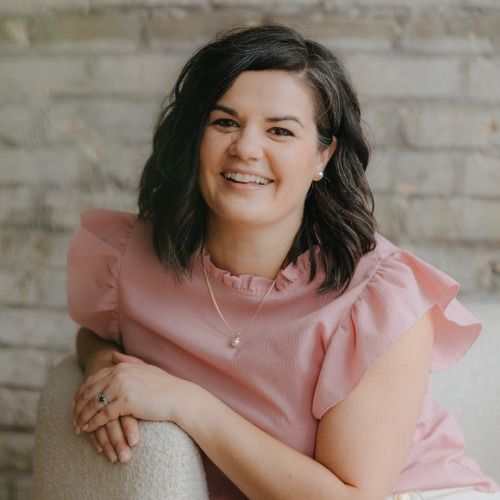
Today, we're speaking with a very exciting guest - author Julie M. Green!
Julie M. Green is the author of Motherness, a memoir of generational autism, parenthood, and radical acceptance (ECW Press, 2025). In 2024, she was a finalist for the CBC Nonfiction Prize. Her writing has appeared in the Washington Post, Globe and Mail, HuffPost, Parents, Chatelaine, CBC, Today's Parent, and more. She also writes The Autistic Mom on Substack.
Throughout our conversation with Julie, we discuss her parenting journey to her autistic son and as a late-diagnosed autistic adult. We peel-back the complexities of parenting and the emotional rollercoaster it brings, especially when navigating both autism and motherhood. Learn all about her memoir "Motherness" - available now! - where she shares her candid reflections on the messy, often overwhelming realities of raising a neurodivergent child while wrestling with her own late diagnosis. There’s a ton of relatable wisdom packed in here, from the struggles of societal expectations to the brutal honesty of mental load that many parents carry. So, whether you’re a parent, a professional, or just someone trying to figure out this wild ride called life, buckle up - this one is for you!
Timestamps:
(01:34) - Welcome
(03:16) - Welcome Julie!
(07:35) - The Journey of Writing Motherness
(16:54) - The Complexity of Parenting a Neurodivergent Child
(24:21) - Navigating the Challenges of Autism Diagnosis and Acceptance
(28:33) - Challenges of Caregiving for Neurodivergent Children
(37:42) - Education and Support for Children with Disabilities
(44:07) - Understanding Developmental Differences in Children
(51:54) - Navigating Parental Guilt and Growth
(56:31) - Neurodiversity in Parenting
(01:06:45) - Community for Neurodivergent Teens
(01:17:41) - Parenthood During Tough Times
Mentioned In This Episode:
Where To Find Julie:
- IG: @juliem.green
- Substack: The Autistic Mom
- Website: juliemgreen.ca
Julie's Book: Motherness: a Memoir of Generational Autism, Parenthood, and Radical Acceptance
*Disclaimer: At the time of recording this episode, Julie's son Carson used he/him pronouns.
The Spoon Theory:
The Spoon Theory is a metaphor for managing limited energy, particularly for people with chronic illness, neurodivergence, or caregiving responsibilities. Each “spoon” represents a unit of energy or capacity for the day, and once your spoons are used up, you need to rest before you have more to give. The concept helps explain why individuals sometimes have to prioritize tasks, activities, or social interactions, and why energy can feel finite or quickly depleted.
Brief History of Asperger’s Syndrome:
Asperger’s syndrome was a diagnostic term used to describe individuals with persistent differences in social communication and restricted or repetitive patterns of behavior, without significant delays in language or cognitive development. It was named after Austrian pediatrician Hans Asperger, who described a group of children with these characteristics in the 1940s.
Asperger’s syndrome was formally introduced into the Diagnostic and Statistical Manual of Mental Disorders (DSM-IV) in 1994 as a diagnosis distinct from autistic disorder.
In 2013, Asperger’s syndrome was removed as a separate diagnosis with the publication of the DSM-5. The diagnostic criteria were consolidated under a single diagnosis: Autism Spectrum Disorder (ASD). This change reflected research showing that Asperger’s syndrome and other autism-related diagnoses shared overlapping features and did not consistently differ in ways that were reliable or clinically distinct.
Under the current diagnostic framework, individuals who would previously have received a diagnosis of Asperger’s are now diagnosed with Autism Spectrum Disorder, with specifiers used to describe support needs, language ability, and other relevant characteristics.
References:
Green, J. M. (2025). Motherness: A memoir of generational autism, parenthood, and radical acceptance. ECW Press.
****
Visit The Sensory Supply for the best in sensory products to soothe, stimulate, and inspire.
Learn about our clinic Elemenoe where we work to reach milestones together through speech, language, behaviour & learning.
Visit neurodiversallyspeaking.com for all podcast & show info:
Follow us:
Contact:
Have a question or a topic that you'd love to hear on the show? Get in touch with us at hello@neurodiversallyspeaking.com
Mentioned in this episode:
CTA - Brit - Show Idea
Transcript
What was going on in your life or in your parenting world with Carson when you started writing Motherness? And how did it kind of take shape?
Julie: I think it was the summer of:We had transitioned to living in a different city, and for the first time, Kirsten had gone from being in a dedicated autism class to being in a mainstream class.
Shawna:Hey, everyone, I'm Brittany, speech language pathologist. And I'm Shawna, behavior analyst.
Brittany:And we're your hosts at Neurodiversally Speaking.
Shawna:This is a podcast where we bridge the gap between research and practice, exploring autism and neurodiversity through the lens of speech and behavior. Whether you're a parent or a professional.
Brittany:We'Ll give you practical tips to bring into your home or your next therapy session.
Shawna:Let's get started.
Narrator:Welcome to the Neurodiversally Speaking podcast with Brittany Clark and Shauna Fleming from lmno, brought to you by the Sensory Supply. While we aim to make Is neurodiversely Speaking suitable for all audiences? Mature subject matter can sometimes be discussed.
Suitable only for those over the age of 18.
If you're under the age of 18, please talk to your parent or guardian before listening to our show or listen together with him to stay up to date on new episode releases and show updates. Connect with us on Instagram eurodiversely Speaking.
You can also send us listener questions to address on the show at hello@neurodiversallyspeaking.com - Neurodiversally Speaking, starts now.
Brittany:Hey, everyone, it's Brittany. Welcome back to Neurodiversally Speaking.
Shawna:And Shawna,
Brittany:I said it mostly well that time. Thank you.
Today we were joined by Julie M. Green, writer, mother, and author of Motherness.
Julie's writing explores what it's actually like to parent while navigating autism, gendered expectations and the quiet mental load that so many parents carry but don't often get to name. It's so honest.
It's beautifully reflective and very familiar, especially if you've ever felt like you've only so many spoons to carry in one day, and once they're gone, they're gone. The conversation isn't about how to do autism right. It's really about reflection, about getting curious instead of jumping to punishment.
Something we try to do really genuinely as parents, ourselves and in the clinic.
But Julie names that so beautifully that we get curious instead of jumping to that blame or shame, and about what writing made clear for her as a parent and what clarity can offer other parents who. Who are still finding their way.
Shawna:Julie was also diagnosed later in life, which opened up a really important question, you know, about women who are missed as kids and what it's like to come to terms with this diagnosis and sort of reflect back and how writing was helpful along that process. At its heart, motherness reminds us that you don't have to be the perfect parent. You can be the perfect parent for your child.
Writing became a way for Julie to reflect, to process those hard moments and to appreciate the journey as it unfolded. Messy, meaningful, and unfinished, and how to sit in that.
So if you've ever felt unsure, overwhelmed, or like you're holding multiple truths at once, this one's for you. Okay. So nice to have you here.
Brittany:I feel like I know you so well after reading this. I will say, and I want to start by saying I loved it. Thank you.
Julie:Thank you.
Brittany:It was such a joy to read and your book was just like, instantly relatable, I found. Even though our stories are so different, and I think a lot of parents will say that too.
Like, my story might be so different, but I can relate to almost everything you're saying in some way. And like, everyone will feel that reading this book.
Julie:Oh, thank you. Yeah, yeah, that's. That's the goal. That's just it, right? It's because it's the emotions and things that you relate to.
Like, the details can be different, but I think for a lot of parents, the process, the journey and all the different ups and downs and emotional side of things is, Is very universal, I think, for sure.
Shawna:And I even thought, like, I'm a mom to two kids and like, just for myself, even, like my kids are neurotypical, but the still, like a lot of the emotion and stuff that you were feeling.
I feel like I felt early in motherhood at times too, you know, trying to figure things out or like even talking about, like sending your kids to school and, you know, they're just little 4 year olds and they're gonna go and have this whole life outside of me and like the feelings that you had and stuff. I felt like even just as a mom in general, I could relate.
Julie:Yeah, yeah, that's true. That worry is. And. And I've had people who aren't even parents as well say, you know, their aspects that.
Not of the parenting stuff, but of other things that, you know, that's, that's why people read memoir, I think, you know, there's always, even if you're reading about someone who's like their Journey on the other side of the world, you know, as like, an immigrant or whatever.
There's still, like, I think, some underlying, like, human emotions that people can relate to, even if they have nothing, you know, in common with your actual background or story. But anyway, that's like. That's a whole other. That's a whole other thing. So it really. I want you guys for reading.
Yeah, I think it just helps for an interview because, you know, there's just more context than just generic. Like, I don't know for sure. And, like, I'm glad you guys got a chance to read it.
Shawna:Yeah, I think we both, like, genuinely really enjoyed it. I wondered if you had read the book. Let me hear your voice. Are you familiar with it?
Brittany:No.
Shawna:It's something.
It's getting old now, but when I first became or was interested in the field of autism and was in school for it, it was a book that they recommended, and it's written by a mom of a son with autism. But it's, like I said, getting sort of dated now, and I felt like motherness is like an updated version of this where you get this insight into.
As for myself, I was like, an early clinician, obviously, didn't have children of my own, didn't know really even that much about autism. And you read the book and you really get this.
You get this idea of what it's like to be a mom, and you really can put yourself in the shoes of your family. And I think that's so important for us clinicians that don't have that lived experience.
You know, I felt like your book did such a beautiful job portraying that emotion and all the different decisions. Decision points that you had. And I just, like, really enjoyed being a part of the journey and feeling your emotion really came through.
And I had a similar experience when I read that book, and so I'm excited to recommend it to other people. I think it's a really great, modern, updated version of this, like, lived experience story. And it was just a beautiful read.
Julie:Let me hear your voice. That's crazy. I've never heard it.
Shawna:Oh, my gosh. Yeah, it used to be, like, very.
Julie:How old is it? Do you. Is it 90s or.
Shawna:Yeah, I think 90s. Yeah.
Julie:Well.
Brittany:Well, we'll be recommending this. I'm excited. I have a copy for the clinic, and so we'll share it with families.
And just the honesty behind it, I think, is what really shines through that. You know, your story might be different than mine or someone else's, but you're so Honest about the story, that it's just. That's the relatable piece.
I think so, yeah.
Shawna:Could really feel it, you know.
Brittany:Yeah.
Shawna:Yeah. And before we get into like the actual book itself, why don't we take a step back?
What was going on in your life or in your parenting world with Carson when you started writing Motherness and how did it kind of take shape?
Julie: I think it was the summer of: Brittany:Right.
Julie:And oh gosh, let me see. Was he in middle school? I know it's hard to take your mind back all that way, I guess just. Well, things are. Things are constantly evolving.
So there's always sort of issues with school or whatever.
But we had transitioned to living in a different city and for the first time Kirsten had gone from being in a dedicated like autism class to being in a mainstream class because it just, I think it was over subscribed. They did have an autism class, so there wasn't a spot for him there. So it was, it was a completely different arrangement.
He was in a mainstream class with a. With a one to one. So we thought, great.
So it was kind of an evolution and obviously living in a different city, getting to know all of that post Covid. And then I, I think really I, I started. It was just a process of trying to reckon, you know, this reckoning with my own diagnosis.
So it wasn't so much that I, I guess it was kind of journaling.
I was, I was starting to try to compare how the heck my experiences aligned with what I understood of autism through Carson's journey because it looked so different to my experiences.
So I started kind of writing things down and obviously in terms of some of Carson's experiences, I had been writing about parenting and I'd been writing about autism for quite a few years, like initially as a staff writer and then I was freelancing. So I'd like published a few essays like I'd written about the.
I don't want to give spoilers for the book, but there's a scene about elopement I had that. That had been in the Washington Post and like I'd written different pieces in different places and I thought, oh, you know what?
Eventually I thought I was just writing my own things for your. You think you're writing for yourself, right? Really?
And then eventually I thought, oh, I have so much here and actually I think it may be beneficial to others.
And then it's especially Because I started seeing that my experience of getting diagnosed late in life and through, you know, in this reverse order finding, you know, so many parents are finding out they're neurodivergent through their children. Thought this is actually such a common experience.
And I think even so many of my experiences as a parent I have not really seen written about anywhere else. So I think that's a lot of times probably what happens with memoir.
It can start as a very personal thing like you're writing, and it's cathartic and it's. It's more of that sort of experience. And then eventually you realize that the story you have does touch on so many universal points.
And it's a story that a lot of people probably need to hear. And it's very relatable for a lot of people. People, then you. You kind of feel obliged to share it.
Even though it's deeply personal and it's uncomfortable at times, you think, yeah, it probably should be. Should be out there because it's not something at that point.
I had seen any books about, you know, from parents with autistic children, parents who are also autistic.
So, you know, there'd be memoirs from autistic self advocates and a lot of memoirs about parenting, but not really anything that sort of combined the two.
And it was, it's become such a, you know, there's this whole lost generation of, of people who are parents who are realizing, you know, in their whatever, 20s, 30s, 40s, 50s, that they were. That they were missed and they. They are autistic.
Brittany:Yep.
Shawna:So, yeah, and I think we're. We are hearing more and more about that. Right.
And we'll talk, I think a little bit about that a little bit later on in the podcast is certainly women getting missed in diagnosis. And then, of course, things have just changed a lot in the last, like, 50 years around diagnosis.
And when you were writing the book, like you said, it sort of started out as like a personal journey that you were on and sort of cathartic. When you sort of finished or at the time where you had this, a thought like, oh, you know what, maybe I should put this out there.
Did you have something where you felt like, you know, like, this is my. Why it should go out there. I think parents would really love this, or I think the world needs to hear this message.
Did you have a sense of what that would be at that time?
Julie:It's.
I was, I was a bit conflicted, obviously, because I'm writing about, you know, you can't write about your own Experience without implicating other people. Because, you know, as much of a bubble as I feel we live in, sometimes my story as a parent obviously really implicates my child.
So a lot of my hesitation was sort of around figuring out how can I do that in a way that, you know, protects his dignity, but also feeling like there's still value in getting our story out there, or my experience of our story, because, of course, it's only my version. You know, I can't. I can't put words to what he was going through in his body and in his mind. But he.
He was like, on board realizing it could help other people. And I had also just seen that there were certain things that even within our own community were really not talked about much.
You know, like medication and like, really challenging behavior, like aggression and destructive behaviors. I mean, parents, I know people are all going through. A lot of people are going through this, but it's. It's still to me felt very taboo.
I wasn't seeing it talked about a lot in public spaces. And as a parent, it's. It's some of the hardest, most heartbreaking stuff to go through. So I sort of felt like if I.
It was just, I guess, figuring out the balance, how I. How could I could talk about some of these things, but how could I also curate it to sort of protect my child and my family? So it's a tell all.
It's not really a tell all. Its memoir is still very much curated. There's a lot of things, a lot of things I left out.
Shawna:Yeah, I would never have a lot. I feel like it's so honest.
And I feel like you talk about a lot of, like you said, sort of things people shy away from, like the aggressive behavior that can happen. And I think medication, I loved reading that myself. As a clinician, you're. I think, as a parent, the struggles of kind of deciding. Right.
Is medication the right option for my child? And certainly we have these conversations with families at our clinic all the time. Right. There's all these side effects to these medications.
Oftentimes the kids are still pretty young and trying to figure out who they are, you know, and you don't want to change that with the medication. And I thought your exp.
The way that you explained it in your thoughts as a parent are just, I think probably the thoughts all parents are going through. Right. How relatable and. But no one's really talking about that.
Brittany:Right.
Shawna:When you go to the doctor, sort of like you're getting a prescription and then as a Parent, you're like, ah, what do I do now?
Julie:And there's still so much shame around it. It's. It's. You feel like it's not something you want to talk about. You don't want to be judged.
Brittany:You're.
Julie:You kind of feel damned if you do, damned if you don't, because your child is struggling and you. You feel awful to put them on medication, yet at the same time, you really don't know what to do.
But anyway, yeah, I wanted to talk about those things just. Just so that other parents did not feel like they were so isolated and the shame they were. You know, I.
Just to bring that to the table because so many of us are going through these things in silence, and we're. We're not realizing that other people are going through it.
Shawna:Yeah, exactly.
And I think you bring up, like, a really good point that I think parenting in general, and then from your perspective, the parenting of an autistic child and probably your diagnosis as well, it comes with, like, a lot of layered emotions that don't really fit neatly into, like, a box.
And I loved that about the memoir is talking about the breadth of those emotions as a parent and all the sort of different thoughts that you had, the joys and the challenges, and I think as parents and anywhere, like, you're going through those emotions.
And I just thought you did such a beautiful job of talking about the layers of emotions that come with parenting as a neurodivergent individual and then as well, parenting a neurodivergent child. It's beautiful.
Julie:Yeah. I mean, thank you.
I think that's, you know, unfortunately, I mean, it's difficult to portray the complexity of the experience, you know, but when you're looking on social media and everything, it's. And in just any media, you know, whatever television, movies, it's. It's really difficult to get that complexity that it still seems to be that there.
There is such a binary. You know, it's either autism is. Is horrible and it's.
It's a tragedy, and it's the cross we all have to bear as parents, or it's like, oh, you know, I'm neurospicy. Autism is my superpower. And it's. It's that it's sort of neither one of those things, and it's both of those things at the same time.
Like, it's just like you say, it's these little boxes, and it's very frustrating. You know, whether on. You're on social media or whatever, it seems to be two Camps. And.
Yeah, I feel like the reality, you know, even as an autistic person, it's. It's, you know, it can be something that you really resent one day, even. Even for myself and my own struggles, and.
And the next day, or even within the same day, feeling like these are great attributes and. And it's just super, super complex, but there's not enough space for that in social media and in the media in general.
Brittany:Yeah, sure.
Julie:So I think maybe, hopefully in a memoir or a longer read, you can get a sense of, you know, because humans, all humans are just super complex, and it's not. And. Or it's these things coexist all the time. It's just so reductive. It's annoying. Yeah.
Brittany:And when you were talking about getting your own diagnosis, you identified all the feelings, and I was taking notes while I was reading it, and you said the overwhelm, the guilt, the shame, the joy, the relief, but then sadness. It was every emotion almost within your own diagnosis.
And then reflecting on watching your son sort of grow up with this, and when you realized that he had a diagnosis as well, like the. You brought up, like, the refrigerator mothers and all the pieces that society kind of makes parents feel this guilt and shame, like, what did I do?
Was it those antibiotics I took in pregnancy or was it this that I did? And it's so unfair that, you know, you're in this constant, like, spiral of questioning what did I do or what did I not do enough of?
And so I do like that you sort of laid that out because, again, like, like, parents are feeling that, you know, you're constantly being thrown at it from the media, like, what have you done wrong? And so to just like, say that out loud, I think is helpful, and then show that, you know, the beautiful acceptance of yourself and of your. Your son.
So thank you for that. But I was thinking, too, as you mentioned earlier, wanting to make sure he was sort of on board or sharing his story.
Even through all of the highs and the lows and every single story that you shared, the first thing that comes through the most is the love. And that is so beautiful.
Even in the hardest parts, you know, again, I won't sort of share all the stories from the book, but even in those very hardest moments, you can feel how much you care in that love. And that comes through stronger than anything else.
Julie:Good. Well, I guess essentially that's. That's what it is, right? It's a love story for your kids, but also for yourself.
So that's kind of, you Know, the tagline is.
And it's, it's crazy, but for a lot of people, and I think that's what's so tricky about being diagnosed when you're so much older, is that people feel they're almost just looking back at their, their childhood self and thinking, you know, is this process of going back to your, your childhood self and getting that self love and trying to over, not override but, but heal from all the years where you just thought you were defective and you, you were, you were sent messages that you just. You were wrong the way you were was wrong. So I personally feel a lot of people feel late diagnosis is just like, what's the point?
It's, it's attention seeking or it's whatever. It's, you know, you're not, you're not getting, you're not really getting anything tangible, you know, in terms of like therapies or.
I mean, you could. But yeah, you, it's, it's more about that healing piece and that understanding piece, which frankly isn't, I think is never comes, never too late.
And it's, it's, it's a massive change for people to suddenly realize that. And, and almost that's that reckoning too. When I'm. Well, I won't say, but the last scene, this sort of memory popped up when I was, when I was young.
And that is such a big part of the story is coming to accept your childhood self and understanding the reason for this was not that there was something, you know, wrong with you. And again, having that understanding then informs how I accept my child. And it's, it's, you know, I won't sugarcoat it. It's, it's hard.
There were a lot of times where I legitimately would be, why can't my kid just, you know, why can't my kid just toe the line?
Basically, so I don't have these difficult, you know, phone calls and things from the school all the time and having to make these decisions and every step of the way wondering, oh, am I doing the right thing? You know, how do I know what to do? And I just wish it could. It could just be, you know, could just chill for a while and not be so stressful.
So, I mean, I don't think that's ableist to think that it's, it's a difficult road, but essentially, you know, it doesn't change the love and acceptance. Like it can still be. It's. Again, these things can coexist, right? You can still absolutely love and accept your child, but Say, admit this is hard.
This is third.
Brittany:Yeah, yeah.
Julie:Because at every road, it's, it's, you know, for us particularly, school's been the hard thing.
You know, depending on the child there, there can be other challenges, but that it's, you know, trying to support your child in the world, that is a very, very hard thing because things are improving, I think, in some respects, but it's still very, very. The systems we have in place really are not, Are not built for us.
And obviously, yeah, the conversation is, Is changing and has changed even in the five years that I've been diagnosed. But still, long way to go, I think.
Shawna:I agree.
I thought that was something again that you talked about really well in the book is this and something I think we're trying to reconcile in society right now. Is that performative allyship or is it true accessibility and acceptance? And where do we sit right now?
You know, I think oftentimes people would like to see that we're in acceptance, you know, and accessibility.
But then when we actually look at the systems that are in place in society, and particularly I appreciate your school struggles here in Ontario, we've certainly seen a lot of changes in the school system and the lack of funding and personalization that exists in the system. You're expected to fit into this box or this box.
We have this classroom or this option, you know, and if you don't fit into that support model, then we don't really have anything for you.
And I think that example could be spread out to, like many things, you know, going to a baseball game, going like any sort of thing where you're participating in society, we say accessibility and acceptance, but are we really there yet? You know, and I thought you thought provokingly said that in your memoir.
Brittany:And it wasn't just one school, you know, it happened again and again and again and hitting these walls where you're saying, everyone's just saying, well, our hands are tied, you know, and then you're left having to navigate that. And that part of the story too, really hit home for me because we hear that time and time again where parents have, you have to become the advocate.
You have to become the person that's going to fight for your child to have, you know, they have the right to an education, but the support's not there. And then what do you do? Do you know, and then you're trying to balance your own work life and home life and everything.
It's the impossible in some ways. And so you shared that again, it's just like the constant Struggle.
Julie:And there are some. I mean, I shouldn't make it all doom and gloom. There are some really fabulous people who rise over, but again, they're.
They're doing so with like, no funding. And, you know, it's. It's really, really. It's really tough. And often I feel like it's just lip service. It's like, oh, we're all about inclus.
And then when the time comes down to, well, can you talk to your. Your child is doing this, you talk to them and make them not do this.
Shawna:Right.
Julie:Okay, I'll wave my magic wand. And, you know, they're suddenly not autistic. They're still not a full, full understanding of. Especially when it comes to when children have behavior.
Brittany:Yeah.
Julie:If they can mask, like in my case. So Carson.
When Carson was diagnosed, it was interesting because we were still in Asperger's, still existed, but we weren't given that diagnosis because the clinician wanted to basically make sure that he could get as much support as he needed. So in essence, I think really he probably is like a level two today.
So I feel there's often this kind of limbo if the support needs are, you know, you know, warrant a special class. And maybe in some ways that's more straightforward for things like schools to deal with. It's like, okay, go this way.
Otherwise, if you're in the mainstream, you're just expected to mask and get on with it and do your work. And, you know, so Carson was really.
Has always been in this limbo where in some ways his support needs are not that search that, you know, he belongs. He's sort of in this middle zone where he. He can't really cope. He can't mask and he can't really cope in. Once in the mainstream setting.
And yet he doesn't quite. His needs aren't quite intense enough to warrant, you know, a very intensive.
Brittany:Yep.
Julie:Placement.
Brittany:Right.
Julie:So this is, I think, for a lot of the kiddos who are in this limbo, it can be really tricky because like you said, there doesn't seem to be a real good solution for those kids and those families. And, you know, as a result, it makes it very difficult. I forget the stats.
I have the research in the book, but so many caregivers, like one caregiver ends up having to give up work.
Brittany:Oh, yeah.
Julie:Or if employers end up having to leave so much, it's enormous stress, financial stress, for various reasons, but also, you know, it's. It's just a crazy amount of stress on the caregiver and that was our situation.
I was very lucky because I managed to sort of eke out a freelance career, like, by necessity, I had to quit my actual, like, staff job. And it was like, okay, well, because I always had to be. And still I'm on call, like, within 10 minutes, if necessary, you know, to go to the school.
And, you know, obviously, having a teenager, like, things evolve and things in many ways are a lot easier. But, yeah, nonetheless, I don't think a lot of that has changed.
I think there's generally one caregiver who ends up having to really significantly, you know, either work less or give up their job entirely. And then, yeah, the family's just under an enormous burden. And that's not even to mention, like, single parents. Like, that is.
Shawna:Yeah. And I think it's something that we. So we own a private clinic that provides therapy. And that's like the constant kind of poll. Right. As you see.
See these families. And truly, Brittany and I are always just so respectful of these parents. Like you said, one of them often ends up.
I don't know how they make it all work, you know, to drive their child to a therapy appointment every day or every other day they're here at our clinic. And then they have to pay for that therapy as well here. Right. The funding wait list is very, very long to get financial support from the government.
And just, like, so in awe of really all the balls that these parents, like, are managing at once. Like I said, I think as a parent myself, I feel like I've got a lot of balls in the air. And it's really hard at times to be a parent.
And then if you're a parent of a neurodivergent child, you've got sort of these extra things. Like you're saying, if the school calls me, I gotta go.
You know, I'm not necessarily, like, if the school called me because my son's sick or something like that, you know, and you. Your case, he could be in danger. Or like, you talked about elopement being a big concern.
This is something that we're often talking with parents about is at school, how do I know that my child's going to be safe and not run away? Because eloping is such a concern within the autistic community. And so I think the.
This incredible dedication, really, to managing so many balls in the air. But you also have no choice but to keep all those balls up in the air. You know, the school's gonna call you and you gotta be there.
Julie:You know, that's what I think. So Many parents bristle because people will say to them, oh, I don't know how you do it, mama. And you do it because you don't have a choice.
Shawna:Right?
Julie:You know, you. You have to show up for your kid. You don't do it because you're. You're some, you know, super superstar.
It's just, you do what you have to do with your kids, but it just highlights kind of society's failings as a whole.
We're supposed to have this village and we're supposed to have these structures, but in essence, you know, our families really are just trying to cobble together just to support our kids. And I, you know, I. I am going back a few years. I always hope that things have progressed. But I also know, you know, I know parents with.
With young kids right now, and it's like, oh, gosh, I hear these stories and it's like, really has nothing.
Shawna:Yeah.
Julie:Frustrating. But, yeah, I certainly felt that there really was no cohesive. I didn't feel there was any, like, cohesive structure and things in terms of support.
Brittany:Right.
Julie:Friends would tell me, you know, apply for this. Like, I had. I had a couple friends who were in the same situation, and they would, you know, they told me about the special services at home.
Like, this is many, many years ago. It's like, okay, get on this, get on that. So I was able to get, you know, a little bit of funding, but there was just. I just mean, as a.
As a community, we definitely felt extremely, extremely isolated and alone. And it's like, you have to figure out your own. Your own situation. Yeah. Like, financially, you know, and that's the sad reality.
You get up because the wait lists are so long. You have parents who are, like, you know, remortgaging their homes. And you know this because of course, you.
You prioritize wanting to help your child the best you can, but I think socially, we just don't have the structures. It's still very much like it's your own family. Like, figure it out.
Shawna:Exactly.
Brittany:That reminds me of the lessons that you unfortunately had to learn through school. It's like, you gotta figure it out.
And so every time the principal sort of said, like I said, the hands are tied piece, but I was wanting to come back to an example where, you know, your son is so, so bright, and. And the educators would say, oh, wow, he's doing all of these amazing things. And then you were just always waiting for that. But. Right. Like.
But then we're also noticing this other piece. And then because of the lack of support in school.
Every time there was like a lesson that could have been taught and a lesson maybe that he needed instead, it was sort of met with punishment.
And I wanted to mention that I find that's a really nice takeaway that you taught about from the book for a parent to sort of say that it wasn't punishment that was needed. Like he didn't need to be kicked out of school or suspended or, you know, told he couldn't play on this section of the playground or whatever it was.
He really just needed a lesson in boundaries.
And that's so much of what we try to do at the clinic and is so important to us that, you know, it's not like anytime there's sort of maladaptive behavior or a child is having sort of a really hard time time, it's likely because there's underlying something that they still need to learn. And so we need to work on that skill building.
And I do feel like that's where you were let down time and time again because no one said I really want to work. Help him work on this skill. Let's talk about boundaries and let's talk about how to, you know, interact socially.
No, it was just, he can't do that like, you know, and, and met with that punishment.
Julie:Yeah, yeah. And you know, and unfortunately, as a result, there's. It's really done a number on his self esteem and he's internalized a lot of shame. Right.
When you're constantly being told off. And Carson, I should say too, is adhd. So that combination, there was a lot of impulsive behavior.
And again, instead of being supported, it was always, I feel like, especially when there are behaviors, if you're the autistic child who's very quiet and can match mask and which I was, you have a much, you know, it obviously it's detrimental in other ways. You know, I had a lot of anxiety, perfectionism, just a lot of rigidity. Like I would, I would dissolve at home.
I would break down, I would have meltdowns at home. But because I could kind of. I was never a problem at school. I could, I would. In fact, I was like the dream student.
But for kids who, who don't have that presentation, school is, you know, we have to find a better way of understanding and supporting kids with behaviors. Like you said, there is an under. Why are we not supporting? We're still treating behavior like it's a choice and we're meeting it with discipline.
And it's, it's so the wrong approach. And unfortunately, like I don't understand why it's still happening. Because there's no excuse now. There's a lot of information out there.
Carson was little, you know, and even now, even in. Even in high school, I still have.
As a parent, it's really tricky, of course, because, you know, I try to be polite, but I'm extremely assertive, and I'm a very strong advocate. Now. I. I don't. You know, I. I'm not afraid to. I don't keep my tongue in my pocket. But at the same point, I. It's very frustrating because I will.
It will still happen sometimes where this. There's a suspension where there could still instead be a lesson.
Brittany:Yeah.
Julie:It's like, you cannot punish someone for their disability. You can only support them and help them around that. You can't not make them autistic. And I will.
I will often have to say, you know, I honestly disagree, but what. What can I do? I can't. I can kind of, you know, put my two cents in and explain things.
And I feel like I've spent a lot of time trying to educate people, but at the same time, that person's the authority figure.
You know, my child has to still, you know, listen to authority figures at school, even though, you know, and as a parent, I can completely disagree with their judgment, but I have to find the right way to still work with them. And it's. It's really tricky. So there have been times where Carson's had a suspension. I'm like, that was absolutely the wrong call.
You know, respectfully, I disagree. And, you know, like, what can you do as a parent? It's. It's tough.
Shawna:And I think one of the things that you like a theme throughout the memoir is like, there's no manual for me. You know, oh, I've got to figure this out. And that was another thing that I think a lot of parents would resonate with, right?
Is this idea of, okay, this is not the way it should be or the way I want it to be, but what do I do about that? And the system's not working for me. And what I love about your memoir and your story is that it seems like in those moments, you get curious, right?
You sort of, like, dive in, like, okay, what would Carson have been thinking around this? Or what are the skills maybe that are missing? And why did he engage in that behavior?
I'm thinking of the Mandarin lesson not to give anything away, right? But then you, like, you took a step back and immediately sort of. You're like, oh, gosh, this isn't great.
But from his perspective, he doesn't understand really why it's not great. He had different sort of interpretation, maybe just an impulse, we don't know.
And I thought that that's something that comes up throughout the stories that you tell about yourself as well. Right? You're curious. I think at times too, when you're reflecting back on your childhood is like, oh yeah, that is interesting how that worked out.
And then with Carson too, when the school tells you something or he's at an extracurricular and something comes up, you're taking, taking that step back and really trying to see things from his perspective. And I think that's really where we want to get to with society.
And certainly clinically what we try to do is like put our, ourselves in their shoes and figure out, okay, what are you thinking about this situation and what are you maybe not understanding or what's the communication that's missing and that sort of thing.
And I thought, like I said, just like such a beautiful theme that sort of guides through the memoir and something that parents could certainly relate to. But then how tricky is it to get curious too sometimes?
Brittany:Agreed. Yeah, I get curious.
Julie:I think it's always this process of you're playing detective all the time and, and I mean just because, I mean, I have some insight because I'm also autistic, but there are so many ways that I'm different. You know, we're, we're all as unique as our own fingerprints, I think you say.
And so I can't completely understand Carson's mind, but I know in myself and I know in a lot of the situations it's pure misunderstanding.
And it's very interesting when he would recount an event and then I would hear from school or whoever and it was like, oh, you can just see the crossed wires and the same in some of my own. Because this, you know, this is a social communication difference.
And I think people lose sight of that, especially when they see someone who can seem so academically bright and so articulate and it's like, well, I mean, even if they are non speaking, we just, we assume that there's like things lacking cognitively and there's, it's not necessarily an intellectual disability. It is, it is, you know, social and a communication difference.
And so there are those crossed wires and I've even had it in a lot of situations where it's, it's, oh, it's just not just like misunderstanding and misreading situations. It's not malice in, in most, you know, Most cases, sometimes there is impulse, but again, that's, that's another thing.
But I think it's, it's yeah, playing, playing detective and being open and not jumping to conclusions to try to see what was informing it.
And so many times it's just a case like now that as Carson's getting a little bit older, it's great that we can have these chats and tease apart these situations and we can make them teachable moments. And like, usually when people do this, it's because they're expecting this or you know, teach him about.
Because you still have to try to fit into society. I don't want him to mask, but at the same time you have to learn how to be able to get on in the world even as yourself.
So now it's, you know, also learning to teach him how to advocate for himself, how to, to how to be in certain situations without masking. So that's a whole art. And learning about his own needs. So like I recently like he learned the spoon theory.
So he'll literally say some days like, I don't have the spoons, can you pick me up? Or. I just spent a long time doing this test.
Sure, I'll come get you early or, you know, so it's a, it's a cool thing to witness as he's maturing and even just seeing his is nervous. So much is nervous system. And we're learning this now about our kids. It's not willful misbehavior.
It's like they've reached a point and that's it, they're dysregulated. And unfortunately it's, it's learning to regulate that nervous system on an ongoing basis.
And this is like the dance that even I do, you know, in middle ages age, I'm still doing that for myself. So it's a process for young kids to learn and they're. And biologically, physiologically, sometimes they just can't do it.
They're physiologically, they're not developed enough to, to regulate perfectly like other kids. And we, yeah, we expect them to.
So even sometimes for I found in Carson's case, like for all the tools in the world and we taught him, you know, he learned it all. He learned all the zones, regulations, like he knew he could, he could tell you all of it.
But in the moment, often physically, I think it was just not a choice. He just couldn't do it. And progressively over the years, and this may be something that gives parents hope, it's a process.
But I've watched As he gets a little bit older and physically, as he's developing, his range and capacity to regulate and to advocate and all of that is really growing. And that's amazing to see. But in some ways, like, there were just things that it, you know, I think it's the Ross Green thing.
It's not that he, he won't. It's because kids can't. They will if they can, but yet we, we shame them. Like, why aren't you doing that?
Why are you being like that when it really sometimes is just at the mercy of, you know, the age and stage they're at just developmentally.
Shawna:Exactly.
Julie:That evolves and that will evolve.
Shawna:And I think that's where these often autistic kids probably, like your son, that are that level 12 sort of area. Right. They think, oh, they can do all these math things and all this stuff, so they should be able to regulate their emotions.
And then they get labeled. Right. As a bad kid.
And that's what we see at the clinic is then you meet with the school and the school's burnt out and they don't have the resources and their bother.
Brittany:And.
Shawna:And then as a parent, you come in and like you said, like, your hands are sort of tied. Like, I've given you all the information he has autism. You know, he needs some support developing these skills.
And like, even with, I think we're even learning a lot about typically developing children. Right. And how hard emotion regulation is at the best of times.
Brittany:Yeah.
Shawna:And oftentimes at the clinic, I'm reminding parents, like, hey, we don't even manage our own emotions most of the time very well. And then we're expecting the kids to be perfect. And how unfair is that? We're setting them up for success.
And then like you said, we're shaming and blaming them for doing it. And really we set you up for this failure. And it's just a cyclical sort of thing that we're doing and missing, missing the mark.
And I think we hear a lot, like, they can name all the emotions, they know all the calm down strategies. And that's just like not enough, you know.
And then I think the other thing like that you said that resonates so well is like, if they could, they would, you know, no one wants to be doing whatever that maladaptive behaviors. It's not fun to be in the classroom and have everyone watching you and you're melting down.
Like, I don't want to be doing that if I had another option. But right now I don't See another option.
Julie:Absolutely. And so many just support pieces that can be introduced are actually, like you say, they're good for everybody. They're not just great for everybody.
Sort of needs these things.
And I mean, I think especially through the pandemic and everything, I think more mental health supports and social support supports would really benefit all the kids. So rather than like, oh, let's just, you know, let's isolate the ones who have IEPs or whatever.
It's, I think it, it's, it's not a great, that's not true.
Like true inclusion is just to put the supports in place and they help everybody rather than, you know, just, just targeting and isolating because then their peers are looking and they're not exactly going to be wanting to hang out with that person who's, you know, that's, that's where all the stigma happens.
Shawna:I wondered, switching gears, like slightly, did you find the writing process cathartic? And like, looking back on all these stories, I wondered if you felt proud. I felt like reading all your stories and stuff.
You're so honest and it's not like everything was perfect, but I just felt like as a mom, you just like, and I think you say this in the book at some point is like, I was the mom that Carson needed, you know, and really were able to say that out loud. Even though it sounds like maybe earlier on in your journey, there was a lot of self doubt. It sounds like maybe by the end.
And I wondered if the writing process was part of that. You're kind of able to sit in it and be like, you know what? We did it, we're doing it.
Julie:You know, I wish the way you say that sounds so great. I wish I, I wish I sat back and it was definitely cathartic.
But I honestly, I think every, every decision, you're always thinking, is this the right thing? I don't know what I'm doing. I felt like I didn't know I was doing the entire way and I still don't at times.
Honestly, I wish it sounded, you know, maybe we come across, maybe I come across more, more confident in my, I mean, I'm definitely a better advocate now. I, I have a really thick skin because it's been a lot, it's been a, it's been a time. But no, I think there's ever a point.
You know, there were still things I, I wish in some ways that maybe I would have done differently. But you, you can't like mire yourself in that regret because it just locks you in. Just shame. And I, I don't know, it's not beneficial.
It really gets you nowhere. You know, I think you do the best with the information you have at the time.
And at the time, I was always looking for the best therapies, the best school placement, the best everything. And I was going on the information I had, you know, with. Hindsight's always a lovely thing.
And it's, you know, whether it relates to parenting or anything in our lives, like, we know how that goes, right? You don't have the benefits of that.
Like, I, I do see that he's had some trauma through certain, certain placements that weren't great, you know, certain situations that knowing what I know now, but, you know, you, it's just torture if you keep looking back like that. And I can't look like I can't keep looking back at my own life like that too. I, I didn't know. I know what I know now. And I can, can.
I can do things in a, you know, in a different way for myself. And obviously I have, I have context. I know I know myself better. And I think that's all you can do is take that information and go forward.
Because I think if you just keep looking backwards, you're just, you're just torturing yourself needlessly and you're, you're not very helpful as a parent to your child if you're doing that and you, you know, or doing that to yourself. So, you know, I hope. And he doesn't seem to look back and blame us for anything. I think he understands things were.
But, But I do feel bad because, you know, he does, he does have a lot of trauma and, you know, his self esteem really is not what it could be.
So I think we're just trying to work where we're at now and try to try to make things better with, with what we know now and, you know, focus on our connection to him and advocating and, and helping him grow into the person he's becoming. But, but yeah, I do. I do have some sadness and regret over things in the past. Like, would it have made a difference if I did things differently?
I don't even know. But as parents, I just think it's. It's not a great spot to just keep beating yourself up. It's really like counterintuitive.
I don't think it helps your kid or you really.
Brittany:It's interesting because Shauna asked you about if you sort of feel like pride in the parent that you are and all of everything that you just said there, like these Feelings of, like, guilt and shame are really what keep, like, bubbling up to the surface. You know, even if you have these moments of pride, you still have all these big moments of, like, like questioning.
And, you know, you're saying, like, I can't look back, but hopefully you hear the lesson that you say and you taught your son, too, that there's nothing perfect except for that word perfect. Right? And love that. And that was such a beautiful takeaway. And that you are the perfect parent for him, even if you're not a perfect parent.
And so that was, like, a beautiful, beautiful takeaway that even when those, like, feelings bubble up of shame and guilt and, like, should I have or could I have done something different that, you know, you're always looking forward.
So that comes through so strongly in the memoir that, you know, even, like, sometimes we have to convince ourselves, but that that's such a beautiful lesson.
Shawna:Yeah, exactly. And, like, in the story, you're saying, like, oh, maybe this wasn't quite right.
You know, like, with some of your retells, you're like, oh, gosh, I don't know. But then you're reflecting back and able to then, like, you learn something for the future, right?
And took it forward into, like, the next sort of conversation with the principal or that sort of thing. And I just. I thought it was like a really. Like I said, it seemed like by the end of the book, you're sort of like, okay, we're doing it.
Of course, there's still so many questions. And I think that's what parents relate to, right? And, like, I'm sure Brittany has the same as me. Like, I'm constantly thinking that, like, what am I?
What should I do about this new thing that has happened? Oh, yeah, you know, and then there's no manual for parenting in general. And then there's certainly no manual for parenting neurodivergent children.
And like we talked about, that accessibility and advocacy piece is still a huge part of your parenting. And so balancing all these things is incredible and something I think anyone who reads the book can pick up and also relate to.
And hopefully I'm hoping for parents of maybe some younger children, right, that read this book and think, okay, you know what? It's normal to feel this second guessing. It's normal that I feel guilt and shame, you know, and what I can do is I can get curious. I know my child.
I know my child the best, you know, and some of the ways that you mentioned of your advocacy for him is just beautiful, right? You're making sure that you're prepping people ahead of time. Here. Here's some of the things.
Here's a cool idea of a way that you could support him and really being that advocate because you got curious. That was always.
It seemed like your first thing is like, okay, let's take a step back here and just be wondering what's going on and how can I help make this better? Yeah.
Julie:And I think, you know, kids are. Kids are pretty forgiving. And I think as long as your child gets the sense that you're in their corner, you're doing your best.
You don't have everything figured out, but you are trying to stay curious, and you're staying connected to them, and they can feel that you love them and accept them. I think that is. That is. That is the thing that matters.
As long as they get that sense that you're in their corner and you're not almost like, siding with everyone else, trying to. Trying to fix them and change them. And, I mean, you. You know, I'm not perfect. I had moments where I'm just exasperated, and it's like, I just.
Can you just make this go away? Can you just do what you're supposed to do? And, you know, essentially, pretty much asking him to. To mask or whatever, which is terrible.
But as a parent, you know, we get. We get tired, we get impatient. You know, can you just. Just put on your coat or whatever?
You know, with little kids, I remember, it's like, can you not have a meltdown? We're putting your boots on, you know, when I'm trying to get you to school. And in those moments, like, it's. It can be so, so hard to just.
But I think the piece of making repair as well. Like, I kind of snapped at my kid the other day, and then I. The minute I picked him up, I said, look, I'm really. I'm really sorry.
Like, I was critical of this. This, and. And just own it. And I think if you show up for your kids and they see that you're trying and you love them and.
But you're not perfect, that's the best example we can give, too, right? Yeah.
Shawna:Does Carson know about his own diagnosis? And then does he know about your diagnosis? Yes.
Julie:So we made the decision to tell him. I think he was around 7, so he was diagnosed at 3. So we did wait a few years.
But I talk about going in, like, kindergarten was just a complete disaster. So I went in, I talked to the kids, I talked to. You know, I had to educate. The teacher knew nothing.
oing back, like I don't know,:So I initially hadn't told him then because he was very young. He was like 5, 4, 5 when he started school.
But it, it was becoming really obvious he had started, I think around the time of seven, he was coming home and like, I'm a bad kid, I'm doing this. He was really internalizing thinking because kids notice other kids will were in the classroom.
I think I was trying to volunteer as well just to support him. And they come up and say like, why is he doing that? Why isn't he answering when I say his name? And why is he.
Kids pick up on the difference immediately and kids pick up on their own difference. They know when they're not fitting in and they're. So if we don't name it in an accurate way, they're gonna just internalize. I'm bad. I'm bad.
The way I am is wrong. So they, I think a lot of parents, like, oh, I don't want to give them this label. I don't wanna. But you know what?
If you don't call it that and they, they don't understand that it's something, you know, neurodevelopmental that lots of other people have. If we don't normalize it like that, they're just gonna, they're gonna take that. They're still gonna know they're different.
They're gonna think they're bad.
Shawna:Exactly.
Julie:They're defective. Wrong. They're gonna internalize all these other know, I'm, I'm, I'm lazy, I'm, I mean, you name it.
There are a lot of other labels that people start to. And you know, who wants, you know, there goes the self esteem piece again. Exactly. So to me it's like.
But you know, you don't have to lay it all out and say this is autism. This is the history of, you know, like, I think age appropriate, like little bits here and there.
And I think in the early days we said, you know, some people, I think we, we didn't do the Pepsi Coke thing. I think we did the, you know, Mac, Microsoft thing. Like there's different. Or you can do different gaming systems, whatever.
Games are fun for everybody. Some people have PlayStation, some people have Xbox, whatever you want to call and just keep it very light.
And then as they get older, you can kind of refine it and hopefully like get them in spaces where they can meet other neurodivergent kids. I think that's so important. So they don't feel like they're the only one in the class who's getting singled out all the time.
And they don't feel like the weirdo and the, the quirky one and the one who's always getting in trouble or whatever. And that's an area, like, I think that I wish I'd maybe done more to, to try to make those connections. I mean, there, there were a few.
Like my son did, did have one friend for many, many years. And the mom and I really made a point of getting our kids to meet up, even though they're quite different.
It was just, I think it's very important for them to see I'm, you know, there are loads of other people like me and, and also just a space to foster those friendships. Like, that can be more based on interests and. Yeah, I think kids absolutely have to know in a way that's age appropriate.
And I don't, I think it's kind of a personal thing. You have to gauge when the right time is to start. But it doesn't have to be this massive talk. It can be. It's a little bit like sex ed.
You know, like first boys and girls are different. You know, you can go in these like, gentle stages without bombarding them.
But in a way, I, But I do, I do personally feel like it's very important because I grew up with a lot of, you know, obviously into my 40s thinking, like, why can't I do this? Why am I different? People absolutely know they're different.
And I think it's, it's very nice to know that there's a, you know, whatever, a genetic or neurodevelopmental reason for it as opposed to it just being a personality flaw.
Brittany:That's a beautiful takeaway. Thank you for sharing that. And I like how you said too, it's like not a one time conversation.
It's not like, oh, you know, we had this conversation one time and then we never brought it up again.
We're building in these layers as he gets older, when the time is right to help him understand himself so that it doesn't get internalized in terms of shame and blame. Yeah, yeah.
Shawna:And we know with autism, like, everyone's unique and people in general, everyone's unique. Right. And it's a spectrum and you can, you can't just like, assume something. But I wondered.
You talk in the book about your autism and Carson's autism and how they're different and how you guys are like your own humans. Of course I wondered if there's certain things you guys really bond over or things where you're like, yeah, I got you, I really get that.
Or like some like funny little things that you guys have that's like unique because you guys both are neurodivergent.
Julie:Yeah. So there are some intersection. I mean like all parents, you're kind of, you get immersed in your kids interests anyway.
So I, I, I had to get in the whole Pokemon bandwagon Minecraft a little less so, so there were definitely areas where you know. But you, you get behind it.
Shawna:Right.
Julie:I think it's like pumpkins and there are all these phases of different things. But I talk a lot in the book about like language and linguistics. Yes. That's been a very long running passion for Carson. Obviously.
I'm a writer and I studied English. So I'm, I'm also interested in a different way.
Yeah, I'm not so much interested in like the origins and like etymology and like the, that sort of stuff to do with linguistics. But there isn't definitely an intersection there. Like he'll say, oh well that word origin.
And I'll be, oh, that makes sense because I used to have to study old English texts in university. And there's like always some element of crossover and it's like he'll be like, oh, I look Mom, I found a typo in this book.
Yes, of course we always find the typos and published books and we're horrified. But like there's, I won't give it away. But there's, we bond a lot over music.
So there's a whole chapter obviously in the book over us bonding over the Beatles. When my, my son got into the Beatles and that was really, that was, was pretty, pretty cool.
So every now and then there's either through language or you know, a show we're watching right now, it's anime, all things anime. So I'm like getting into the anime and manga background.
So sometimes like Kin will read manga to me and I'll sit there and we'll like look at the, you know, I love the art as well. So we'll, we'll chat about, about all of that. So we do still have shared passions. Although he's got a complete math brain as well.
So that's like, he'll say, yeah, you don't understand that, Mom. But different. That's from dad. That's from dad, you know. But I think it's like that with all kids. You can see.
It's really interesting to see kind of the. The mashup of hereditary traits and interests, like, so, no, very obviously very different in a lot of ways. And, you know, sometimes.
Sometimes we clash as well, because the fact is we both are very set in routines. We're both. We can both be extremely rigid, and sometimes it get. We do butt heads and it's tough.
And then what usually happens is because I'm the parent, I end up being the one who has to, like, I can't double down. I end up having to compromise a little bit. It's. It's tough sometimes, you know, and I have the privilege of having a partner.
So there will be times as well that I will just say, like, I have to go lie down or I'm having trouble with this. So I try to be fairly open about it. So Carson does know about my diagnosis. Obviously he knows about the book and he hasn't read it. He's not.
He's not really very interested. Yeah, he's read, like, parts. Parts of it, like from previous. Previous things. But, yeah, he'd rather read, you know, he'd rather read his.
His manga books. Yeah, yeah, yeah. Because he's a teenager, of course.
But I definitely, like, make the point of saying, like, yeah, I have a hard time with this, and this was like, this thing's a big anxiety piece for me or whatever to. To share that with him. So he doesn't. Again, doesn't feel like.
Like it's just him, but he can also see the ways that I am advocating for myself and, like, figuring things out in my own life, because I think. I think that's important for him to see for sure. But, yeah, I'm very.
I'm very, very lucky that I do have someone to bounce off of and share things with because, you know, I'm still autistic and there are still times where, you know, I am going to shut down or I do. I do have issues and have a hard time for sure. So I'm very. I'm very lucky that I. I have my own support as well.
Shawna:Yeah. I would say the way you talk about your husband in the book is so sweet. And I thought I should talk about my husband this nice.
And, like, it just like, seems like your genuine love for one another and you guys just, like, really got each other. And I was. I'm hoping that that's a takeaway for me to be kinder and be more appreciative of the things that he does.
But I did want to circle back to One of the things that you talked about, which was creating this sense of, I'm gonna say community for Carson where he hopefully is like making friends like you said, that are autistic as well or neurodivergent maybe in another way. But I think that's easier said than done. And correct me if I'm wrong, but I wondered if you had any successes like that.
Like, oh, we went to, I don't know, this place and we found really good friends here.
Or was it constantly you trying to like keep an eye out, like, oh, this guy, this family looks like maybe they, we want to be friends with them or like, how did you create that for him? Or did you.
Julie:Yeah, it's tough because you, you feel like a weird stalker. It's definitely what definitely was easier when he was younger.
So say he was at like a social club or something on the weekend or occasionally a pickup. You could, you could chat to parents or swap numbers and definitely that helped with a couple friendships.
But yeah, it was like definitely me actively seeking out. And it's so much, it's so much harder now because, you know, you can't meddle in your, you know, your teenagers. Right.
It's like, it's so, it's, it's a lot harder. You know, Carson has just found some niche. I mean, online has its problems because there's been, there's been bullying.
It's very much a double edged sword.
But he's found a lot of community online as well with people across the world, which is to just not an option that, you know, like my generation can relate to. You had, but in some ways, like we were limited.
You had the people you met in school or in your neighborhood, you know, when we all played outside in those weird old days. But you know, he has access to, you know, friends in Brazil and Italy and wherever, which is, which is kind of cool.
So you can find like minded people, but at the same point it's only online and they're all, are. There are problems with that.
So it's definitely been, it was easier when he was younger to sort of foster those connections through, especially when he was doing certain programs. Like he did different extracurriculars. Like he did like a, I think yoga for nerd recruitment kids.
And I mean there are so many different programs you can try now.
He did, I think drama, as I said, there was one parent that was, I was actually connected through school because her son was diagnosed later and she was looking for information. And I think the, the principal had said, look, could you maybe Connect with her.
And I ended up going for coffee and our kids ended up, you know, we ended up in contact for like 15 years or whatever. So you. But it is a little bit, bit weird.
And I think as a parent, yeah, you have to kind of get over feeling strange about it and just casually, it's definitely easier when the kids are younger and they're not teenagers.
But even when there are teenagers, there are still, there are fewer opportunities, but there are still ways maybe for them to define and look for things like Comic Con or things that like, relate to maybe their interests, because those are.
If there are different clubs or things that, even though they're not specifically aimed at neurodivergent kids, you may find those, those kids in like coding classes or whatever. I don't know, I'm like drying up all the cliches because. But, but yeah, that.
I think it definitely is important for not saying they just have to be friends with neurodivergent kids. But in some ways it can be. It could be easier and you know, just to feel that sense of connection.
Because a lot of times when they are at school, especially if they are in mainstream situations, they're just really feeling odd and they're not really making those connections. It could be really, really hard.
So if they do have other connections, even just one friend to connect with, it can really make a difference so they don't feel so lonely and left out, you know, for sure.
Shawna:And I think so challenge, like, sometimes people, I think, think if they have autism, they'll be a great match and that's just not the case either. Right. It's like everyone is so unique.
And so it's, I think certainly for the individuals that we support that are in their teenage years, tricky to find those opportunities.
You know, we'll try and look for Pokemon get togethers and stuff that happen in our local community or try and find events where we think, yeah, maybe other neurodivergent people might be there. And you also like that thing. But yeah, just so challenging. And then for parents, just like another sort of thing that you end up fostering.
But I think like you said, it's like worth the effort, right? That sense of community and friendship is so important.
And I think that's another thing that we haven't talked about that you do talk about in the book is it's not that Carson or anyone with autism doesn't want to have friends. I think that's like a really common thing that even still lives in, I would say, clinic in the clinical world.
Now, you know, at the clinic, I think Brittany and I are still often talking with our staff to say, stop saying that. Yeah, it's not that they don't want to be social. It's not that they don't want to connect with you. It just is different.
And I think that that's something that we really, in society is still a prevalent cliche about autism.
And then what we see in the research and the literature is these really high rates like you've talked about too, of mental health concerns like depression and anxieties, low self esteem because they're labeled as this bad kid and have all this internalization that they've made. And so really those, fostering those connections is worth the effort. But it is a lot of effort.
Julie:Yeah. And a high risk of suicide as well. I mean, we don't, we don't want this. Right?
I know in myself it feels like the biggest, it feels like these, these two opposing forces all of the time because I get very bad fomo. Like I see, you know, like everyone I look at, I, you know, I scroll, I'm like, oh, look at all these people doing these things.
And you know, often watch the social connection and everything else, but it's that sort of butts against how much I can handle. And I think often what people are getting confused at is autistic people. We need a lot of recovery time.
So it's not that we don't want friends, but my connection with, with friends would be like maybe a one to one coffee. It wouldn't be, you know, going to some like huge party or so it's always like against what we can, what we can handle and balancing that.
So it's not that it's definitely we, we have the exact same human need for connection. It just looks different. We need a lot of alone time and we love our alone time.
But mostly a lot of that is to do with the nervous system recovering from the sensory demands, the social demands and the confusion.
Because you know, it's a little bit like being somewhere where people are speaking a different language and you, you understand the language a little bit, you're just learning, but you're there and you're, you're trying to understand what people are saying. It's really, imagine that kind of mental exhaustion. That's, I mean, that's the closest I can think to explain it.
So even though I love being with people, I do get super lonely if I'm not doing enough. I need maybe less than other people or just different. And I need more recovery time. So it's absolutely not that we're loners and we don't want this.
Humans all have that need for connection, and if our kids aren't getting it, they're going to get depressed. They're going to get depressed and yeah, they, they may feel suicidal. You know, we don't. Everyone deserves to have that connection. So.
And sometimes it may just be with you as their parent. They may. The reality is they may not have friends.
So that's why it's just so important, you know, get into the Pokemon, get into whatever even, you know, they just need to know they have that soft leaf. Even if it's just you.
Because there may be times where, yeah, you, they, as much as you try, those connections may not exist, you know, and as parents, we try to do everything, but there, there are times, you know, there are a lot of times where they, they don't have a clique of friends or even one friend.
So I think that's something we obviously can try to facilitate, but even if we can't, we have to make sure that we're really connecting with them, having fun, getting into what they're. And the, you know, the portal is always through whatever they're interested in. Even if it makes your eyes want to glaze over.
Like, you genuinely, you know, you genuinely, I know you tap out like we have limits, but a little bit like you definitely, I think, have to show a genuine interest in that, but that is the way to bond. That's the way to connect with them in a really authentic way.
Brittany:Yeah.
Julie:And that's, you know, sometimes it aligns with what you're into and a lot of times it doesn't. But that's, I mean, that's being a parent generally.
I think it's not just, you know, if you're, if your kid is typical and they're into hockey, like, you might not love hockey, but you're going to be there to support your kid and like it or not, you're going to learn about like cross checking and icing, you know?
Brittany:Yeah, exactly. It's not all about you, you know, like, you. Yeah, yeah. And I think as educators, as clinicians, listening to that too is like what brings them joy.
And that's where you gotta start. And so, yeah, that was, that was a beautiful message. Thank you.
Shawna:I agree.
And that's again, what we talk about, the clinic too, is like that connection and joy is really where everything sits, you know, and if we can build that up.
And I think that's what you're seeing for parents who are listening if they're like in the thick of this, you know, maybe they've just gotten a diagnosis. Maybe they've just had a really hard day. The school's called them and has said their child can't come back.
I wonder if you have some thoughts after your reflection on your experience of, you know, what do you do in a parent when, as a parent, when you're feeling overwhelmed, like you can't do this, like maybe you're not the right parent. What's the message there?
Julie:We're all just doing the best we can, right? I think have to look after your own nervous system first. That's the whole cliche with the oxygen mask and stuff.
And just because you get exhausted and tapped out doesn't make you a bad parent. You're human and it's. It's hard, right? It's, it's not a static journey. It's really a marathon. It's really tough.
Look after yourself and don't beat yourself up. And I think the thing that would give me hope and it's really helped over the past years.
And I can say this, as you know, I have a teenager now and I've been through every manner of. I've had a lot of. We've had a lot of very, very low points where I just thought, oh my gosh, I've. Is this gonna get any better? Is my son even.
Not even like, is he going to be independent? Is he going to go to university? Is he even going to be able to live with us? We've had a lot of really, really hard times.
But seeing the growth incrementally that you, you don't see because you're always so in the thick of it, especially in those really, really hard times, things will naturally start to evolve and shift in your child. Who your child is at 7 is not who they're going to be be at 10 or 12 or much less when they're 17 or 25. I have no idea. It's gonna be like 25.
I'm kind of excited to see.
But they're always growing and I think I'm a little bit more relaxed about it now because for a very long time I felt all that pressure that whatever happens to them is on me. Everything I do or don't do is going to be a direct result of like, how they're going to fare and how well they're going to do. But I think you.
I think the main thing is just to try to stay connected, love them throughout, even the hard times. So that they feel that acceptance from you and piece by piece, you know, they will just even physically mature.
You know, my child has changed and grown so much. Still lots of challenges, but they're different challenges over time as well.
And there are times, you know, when you will get a breather and things aren't quite as hard. Sometimes you're kind of drinking water, other times you feel that you're completely drowning.
But it's also, you know, maybe finding that sense of community and another parent not to just constantly swap doom stories, but just there's so much community out there now that you, you don't need to feel like you're the only person going through the things you're going through. Which you know, I did for, yeah, a lot of the many, many years.
Shawna:That's where I would like really recommend your book. You know, is it really normalizes and gives a voice to these experiences that sort of live in the shadows. Right.
And let's sort of close with Carson's words, right? There's, what is it like? There's no, nothing's perfect except the word perfect.
And that as a parent you can't be a perfect parent, but you can be the perfect parent for your child.
And I think reading your book and for other parents out there, you know, when I read your story I felt so much pride, you know, and thinking, wow, what a cool moment.
And she really took the chance to sit back and digest what was going on and be that advocate and be take a bird's eye view of things too and see things from everyone's perspective and help Carson really have this like full life, you know.
And so hopefully for other parents too that are questioning themselves and have that self doubt and guilt reading your story, they can think, okay, yeah, she's doing it. I can do that too. And I just thank you so much for meeting with us today and chatting about the book.
And I, like I said, I really would highly recommend it. I found it incredible read, very engaging and just a beautiful story of a mother and a son and your guys unique love and how you've supported him.
Julie:Thank you so much, that's really kind. Thank you for having me.
Shawna:Oh, thank you, Julie.
Brittany:It's been our pleasure.
Shawna:Before we go, we want to remind.
Brittany:Our listeners that topics we discuss in the podcast are not a replacement for professional medical advice. Please contact a professional if you have questions.
Shawna:And just a heads up, we'll use both identity first and person first language to respect different preferences. We'll also see treatment and therapy since we come from a clinical space, but always with respect and a focus on what works for each person.
Brittany:See you next time.
Shawna:Bye.