Episode 24
Sensory Tools and Inclusive Community, with Ability Hive
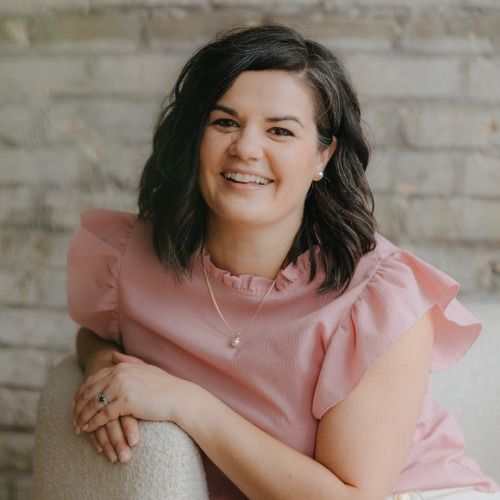
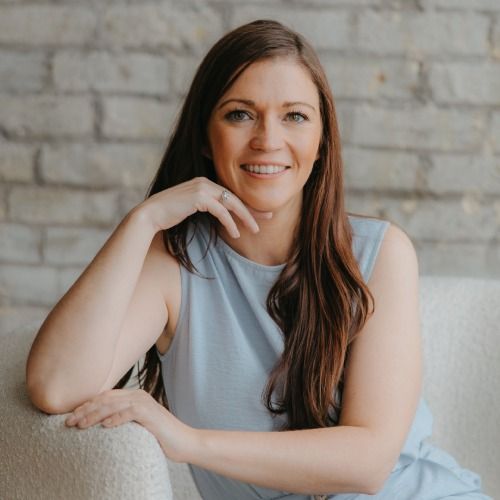
Today, we're sitting down with Kim Vincent, Co-Founder of Ability Hive to learn about how one family's journey inspired a new wave of inclusivity.
Ability Hive is a Canadian retail business based just outside Ottawa that focuses on sensory and therapeutic tools for individuals with disabilities and diverse sensory needs. Inspired by his journey as a parent to two neurodivergent children, Kim is passionate about creating inclusive solutions that support families and caregivers. Through Ability Hive, he combines lived experience with entrepreneurship to make a meaningful impact in the disability community.
Timestamps:
(01:34) - Welcome
(02:50) - Meet Kim
(04:43) - Our Family's Early Journey
(14:49) - Our First Accessible Halloween Event
(27:12) - Community and Support for Neurodivergent Adults
(33:38) - Our Focus On Quality Products
(42:23) - We're Opening a Physical Store!
(47:06) - The Challenges of Parenting and Business
(54:06) - Creating Community Through Thoughtful Design
(56:57) - Dreaming Big: Future Ideas
Mentioned In This Episode:
Follow Ability Hive:
- Instagram: @abilityhive
- Facebook: @abilityhive
- Tiktok: @abilityhive
- LinkedIn: @abilityhive
- Website: abilityhive.ca
****
Visit The Sensory Supply for the best in sensory products to soothe, stimulate, and inspire.
Learn about our clinic Elemenoe where we work to reach milestones together through speech, language, behaviour & learning.
Visit neurodiversallyspeaking.com for all podcast & show info:
Follow us:
Contact:
Have a question or a topic that you'd love to hear on the show? Get in touch with us at hello@neurodiversallyspeaking.com
Transcript
Well, you guys know that we're opening a brick and mortar location, right? And I cannot wait. I can't wait for that day that we open because that, that to me is what it's going to be all about.
We did a pop up shop and it was that. But this is going to be a permanent version of that, right?
So yeah, that, that face to face connection and like building what we want to be a community hub more than anything.
Brittany:Hey everyone, I'm Brittany, speech language pathologist.
Shawna:And I'm Shawna, behavior analyst.
Brittany:And we're your hosts at neurodiversely Speaking.
Shawna:This is a podcast where we bridge the gap between research and practice, exploring autism and neurodiversity through the lens of speech and behavior.
Brittany:Whether you're a parent or a professional, we'll give you practical tips to bring into your home or your next therapy session.
Shawna:Let's get started.
Narrator:Welcome to the Neurodiversally Speaking podcast with Brittany Clark and Shawna Fleming from Elemenoe, brought to you by the Sensory Supply.
While we aim to make Neurodiversally Speaking suitable for all audiences, mature subject matter can sometimes be discussed suitable only for those over the age of 18.
If you're under the age of 18, please talk to your parent or guardian before listening to our show or listen together with them to stay up to date on new episode releases and show updates. Connect with us on Instagram @NeurodiversallySpeaking.
You can also send us listener questions to address on the show at hello@NeurodiversallySpeaking.com Neurodiversally Speaking starts now.
Brittany:Welcome back to Neurodiversally Speaking. I'm Brittany, speech language pathologist.
Shawna:And I'm Shawna, behavior analyst.
Brittany:In today's episode, we're asking, why do so many neurodivergent families feel like there's nowhere that truly works for them? And what happens when someone decides to build something better?
Shawna:Today we're joined by Kim Vincent, co founder of Ability Hive, a Canadian business rooted in inclusion, accessibility, and making the world more welcoming for all kinds of brains and bodies. Based just outside of Ottawa, Ability Hive offers sensory and therapeutic tools for individuals with disabilities and diverse sensory needs.
Inspired by his journey as a parent of two neurodivergent children, Kim brings both lived experience and entrepreneurship to his work, supporting families and caregivers in meaningful, practical ways. Kim's journey started with his daughter's diagnosis, but what stands out is what comes next.
Instead of stopping at awareness, he really created action. Beginning with an accessible Halloween event that quickly grew into something so much big.
Brittany:So we're so excited to chat with Kim.
In today's episode, we're going to get into what it looks like when lived experience start to really shape your future and pushes you down a new path that maybe you didn't expect and turns into something really practical but also impactful for your family and for other families. Uh, and so we're so excited. Kim, welcome. We're so glad to have you here.
Kim:Thank you so much for having me. This is fantastic. Love the podcast and it's a pleasure to be here.
Brittany:Oh, thank you. So, just to get started, like, tell us a little bit about Ability Hive and like what that represents for your family.
Kim:Yeah. So Ability Hive is a mission driven business where we sell a wide range of sensory and therapeutic tools.
Everything from gross motor, fine motor tools, jewelry, sensory room equipment. And we've built it into the business that we donate 2% of our sales back to.
Not just autism related causes and organizations, but to disability organizations as a whole and initiatives. So, yeah, that's in a nutshell.
Brittany:Amazing. Thank you. So wonderful. And then I was also wondering, for listeners, like how. Thinking about how we got connected. Did you want to share that we.
Kim:Got connected at Geneva Symposium is where we first met. Correct. Canada's largest autism conference. And we're all going to be there again right at the end of the year. So that's going to be fun.
Maybe we'll do a dinner or a lunch or something.
Brittany:That'd be lovely.
Kim:It'd be great. Yeah. And. And then we, we just connected through Alan from the Sensory Supply to do this podcast.
And Alan's a great guy, which I also met at Geneva Symposium. And here we are right now sitting and chatting.
Brittany:Shout out to Alan. Thanks for our producer. Thanks for connecting us for today.
Shawna:I was gonna say, I think we all sort of align on this, like, mission driven work and really wanting to do things that are improving our community as a whole. And that's something. Something that sort of keeps all four of us interested in the work that we're doing.
I wondered a little bit about taking a step back because I think Ability Hive started from your own family's experience and journey. And so can you take us back to when your daughter was first diagnosed and what that was like for your fam?
Kim:Yeah, so our daughter, stage, she's 10 now, but when she was 2, we were sort of, you know, we knew nothing about autism and it. Everything just sort of, you know, fell into our laps, so to speak, quote unquote. But we, you know, Our daughter was.
There were some things that were, you know, presenting itself to us. Not answering to her name, she wasn't pointing. And there were a lot of these sort of signs.
And you know, I think as we went along, by the time we hit a year, you know, she was walking. So there were some milestones being hit, but there were some of those other larger ones. Like I said, not pointing, that was a big one.
And then not answering to her name.
But it seemed every time you would kind of question something, there'd be somebody, you know, around you to say, oh, that's just late bloom, you know, late bloomer type of stuff. You know, even the doctor didn't really see anything, you know, at the time.
And so you just kind of go along, but then you keep seeing these things and then eventually you're like, okay, we need to actually pursue this a little bit further just to see. And then, you know, we, we got her a diagnosis when she was 2. She was diagnosed ASD level 3 with speech delay. And she is non speaking even now.
But that whole journey was. I just remember getting the diagnosis and we were set up to with, I believe it was Cheo Children's Hospital of Eastern Ontario.
We had a, like, it was sort of like a roundtable with a bunch of families.
And the thing that stood out to me and it's, it's just how we're wired differently is every single mother in the room I remember was crying and all the guys were just not crying and I was just looking at. Was all hitting us at the same time. But everybody was taking it in in their own way. And it was a very, it was a lot of information to take in.
Yeah, when you know nothing about autism, it was just a lot to take in. I knew nothing about it. I really, you know, both of us, my partner Jose and I, we, we knew nothing about it.
So, you know, from there there's appointments and it just, it and, and to this day there's still appointments, you know. So, yeah, that was how we were sort of like, you know, we, we entered the community, so to speak.
And yeah, it was, it was very eye opening, to say the least.
You know, because when you don't know and you're just sort of going through and you know, I think when you and Sage was our first, our first child and we had a different idea of what life would be like and it's been totally flipped over, you know, some for better, some for worse. You know, some things are hard, there are challenges, but there's, there's A lot of beautiful moments and wins and, you know, it's. It's.
That's life, right?
Brittany:It's life.
Kim:Yeah.
Brittany:Thank you so much for sharing.
You made me think, you know, you were saying, like, you didn't know much about autism, and you were sort of like, I guess, just trusting your gut then that, like, something seemed not quite right, especially if people were telling you, like, hey, don't worry, it's fine. She's just blooming late. And, like, even the doctors sort of in the beginning weren't giving you sort of any guidance.
What was it that made you think, no, no, we need to, you know, keep pursuing something.
Kim:Yeah.
So after her first birthday, you know, 14 months, 16 months, like, it really started to, like, you know, we really started to constantly think, okay, and then I. We went. We brought her to a friend's birthday party. And after we left, my. My friend actually called me and he said, hey, listen, you know.
You know, my wife is a social worker, like, social worker and deals with kids all the time. And she is seeing that there are some things.
And that was really the bigger push more than anything that kind of gave us, like, okay, you know, someone's calling me. You know, my good friend is calling me. I gotta. So from there, we just picked up the phone and tried to make some things happen, to get some answers.
And that's really, you know, at the party, she wasn't answering to her name. She wasn't doing some of it. She was playing by herself. She was sort of like running by herself back and forth down. Down this hallway.
And it was, you know, all the other kids were doing all. They were all playing together. So it was, you know, it was. It was nice to get. To get a close friend of mine to, you know, give me that call.
And it kind of pushed us to. To pursue it.
Shawna:Amazing.
I was thinking, because at that point, it was just you and your wife and your partner and you do ability hive together, which we didn't really talk about yet. And then you just had your one daughter. And then now, though, you guys have a son as well. And he also is neurodivergent.
Brittany:Is that correct?
Kim:He is neurodivergent. His name is Len and he's four. So that we have quite a big age gap. And this is probably something that a lot of parents go through.
It certainly went through for us. You have that first child, you get a diagnosis, you've got a lot of challenges, and our daughter does have significant challenges.
And then you start to sort of. You want a second child. But hold on. You know what? I hate to say the words what if, but what if. Right. Hence they have a six year gap between them.
Because of that, it was kind of scary to think of, like, you know, our child could be, you know, have significant challenges. Just the one child alone was, was, you know, quite, you know.
Shawna:Yeah, we do hear that a lot from families. And I think it is common for families where their firstborn is neurodivergent to wait a little bit.
Like you said, you need to sort of catch your bearings. I think you. And you sort of alluded to this. I had this idea of what parenthood was gonna be and then these, this is different. My child doesn't talk.
So now I've got to learn like a new way of teaching communication. Right. And all these ideas that you have are just sort of different than what you expected.
So I, we do hear that often from families that they are like, okay, am I prepared, you know, to support my another child if they also have complex communication needs or also need support with toile longer in life and some of those things. So I think it's like, obviously a smart thing to think about as a parent too.
Kim:Yes. And we know, like our daughter, you know, she'll be with us for the rest of our lives. And it's one of the things that we think about.
Brittany:Right.
Kim:You know, it's one of the harder aspects of just, you know, thinking of the future.
But going back to Lennon, you know, I, I myself had had some thoughts about it for, for about a year and a half and then it wasn't really till he started school that we really pursued it because, you know, the school was telling us and he was just a stay at home, like he didn't go to any daycare, so he wasn't really around other people to voice any opinions or anything like that. But the school did say, you know, we, we think he would benefit from an assessment. They got him speech. It was a fantastic school, actually.
They, they got him hooked up with an SLP pretty early on, just on their own initiative. It was pretty, I was very thrilled with it.
Brittany:Yeah.
Kim:And we, we pursued an assessment, you know, and he was just assessed about two months ago. And you know, great little guy, happy. But he does have his challenges.
And I, I'm really happy though that, you know, he has a sibling and Sage has him as a sibling. So it's a really great dynamic.
They're not brother and sister, like the typical sort of, you know, that you'd think of, but they do have some Nice moments. And you can tell this. There's definitely love for each other there, for sure.
Shawna:And so through all of this, is there things that you've thought, oh man, this just like, doesn't exist for me, or I wish I could access this information or things like that that have come a lot come up along your journey.
Kim:I think the, the hardest part is just there's too much information, honestly. Yes, honestly, it is. It is beyond daunting the amount of.
When I say too much information, I mean, I'm not saying like, go online and search for information. I'm just saying there is almost too much stuff thrown at you. You need a binder with like. Yeah, and it's very hard to keep, keep track of everything.
And, and the appointments. And like the appointments are, are really endless.
You know, I guess you could not have appointments, but you know, if you're trying to get supports and services and whatnot, it. But what, what would we like to see more of?
I mean, I think, I think the hard, the hardest part is that there's so many neurodivergent kids in the system that there's not enough services to go around. You know, there's not enough of. There's not enough of what the kids need to sort of access to benefit their life.
Like, even with the Ontario Autism Program, it's a five year wait right now. You know, our daughter Sage, for whatever reason, we lucked out and she was one of the first 600 that got in to the program.
She got in on that first cohort and we were so lucky because we had spent a lot of money out of pocket on, you know, bringing her to speech and different, different things and. But yeah, this just. And I don't, I don't know what the answers are because I don't think they're.
I, you know, it's hard for me to even say, how do you fix that? I don't know. You know, it could always.
Shawna:I was gonna say I. You guys are sort of. And that's sort of your why. Right. As you're saying there's not enough stuff out there.
There's not enough accessibility or awareness around inclusion. And I wondered a little bit if that's sort of what. Why you have ability hive and like if that.
You saw this gap, I think, with the Halloween event, but I'm foggy on the details, so perhaps you could share about the Halloween event that then led to be sort of an inspiration for you guys to take a big next step.
Kim: Absolutely. So In October of:We never watched the news, but for whatever reason, we were watching it. And there was. I was watching it and there was a Halloween event, an accessible Halloween.
I've never seen it before, but it was in Calgary or something like that. It was a national news program. And I said, hey, check this out. You got to see this. You got to see. So we're watching it and we're shocked.
We're just like, wow, this looks amazing. Like, we don't have anything like that here.
And our daughter had never, you know, trick or treated because, you know, she would run into houses, like that type of thing. Yeah, I was just gonna say, if.
Shawna:We pause here, like, what is it about Halloween that makes it inaccessible to a neurodivergent child? You're saying, like, some of the rules and like, social expectations are odd because the doors open, you know, you think you enter.
You're saying she would just go in. What, are there other things that sort of. You're like, yeah, we can't just do regular Halloween or I can't go to this community event.
Kim:Yeah. So there's many things.
And when we're talking about the larger scope of disabilities, we're talking about tables at the end of driveways so those in wheelchairs can access those like trick or treat stations. We're talking about hell during the day, so at night, you know, you've got crazy lights. There could be strobes, hard to see. Right.
Anybody who's low or visually impaired, it could be harder to see and navigate. We. We.
You know, the accessible Halloweens are lower volume, like, we, you know, no blaring speakers with, you know, not having to go, well, accessibility wise from a physical standpoint. Not, you know, most houses have steps. Yeah, right. So back to the tables again. And then, you know, for. For our daughter specifically, we. We would.
We went to one house, our neighbors, and she bolted and she would bolt a lot at that age. And she bolted right into the house you try to bring around. And we kind of had a little bit of a meltdown and it kind of ended. The.
Shawna:Right.
Kim:The. The experience, the good time was. Was over. So that's really it in a. In a nutshell.
Shawna:And I think that's story. One more important piece here that you're talking about is like this idea again, as a parent, you have this idea of what your first Halloween looks.
Looks like, and then you've taken your daughter out and you're like, this is not.
I wasn't prepared for this, I didn't know that this was a possible outcome of Halloween and having to take that step back and really redefine and re imagine what Halloween could be. And it sounds like that's what inspired you to make some changes to the next Halloween celebration.
Kim:Yes. So what happened was we. We saw that on the newscast and we sort of like, loved it and then sort of went about our day and forgot about it.
And then the next day, day again, we saw another one, but in a totally different city. Maybe it was Toronto or something. Yeah. And I didn't know who was putting these on. I didn't know.
But then later on I found out these were done by Treat Accessibly. And if you haven't heard of Treat Accessibly, you need to check them out. It's a family who started the whole movement, actually. Oh, cool. Cool.
Shawna:I haven't.
Kim:Yeah, we thank them because it set us off on a whole different trajectory. But what we did from there, I saw that and then Jose looked at me, she goes, well, why don't we have that here?
And I said to her, I said, well, someone's got to do it. It's not going to just magically. The government is not going to come in. There's nobody's really going to come in and do it.
And we were always those crazy Halloween people on our street. Like we are the Halloween house with the 12 foot skeleton and the 12 foot witch.
And you know, and I looked out, Jose kind of, she went in the basement. And I was looking out at our display and I just said, you know, we're gonna do this. And I don't even care if there's five people.
We're gonna actually do this. And it's. We have a week to do it. It's not a lot of time. I went on Facebook on our. We have a local group.
We're in a small town outside of Ottawa and we have a local Facebook group with about 5, 000 people. I think it's more now, but at the time, yeah. And I just did a post online and I said, hey guys, would anybody like an accessible Halloween if we.
If we organized one? And that post went crazy online. And I put a picture of our setup.
Yeah, it went so crazy so much that the mayor reached out and said, I'd love to help out. And so we ended up doing it and the neighbors were all fantastic.
And then, you know, everybody kind of chipped in together and we, we got everything really quick.
We went out and bought all these extra decorations and, and that first Halloween, even though it was set up really quick, I told Jose, I said, you know what? We've been thinking of doing something. We didn't know what. Let's, let's come a name. And within two days we had a name, we had a website.
Within a couple of days, it was all, it was all Halloween centered. Yeah, cool. For this event. But we, we launched within, within three days we had a website name, a logo that wasn't very good that I whipped up.
Brittany:Yeah.
Kim:And anyways, so we, we had that event and it was, it was just a beautiful thing. You know, I think maybe like 60 people, 70, 75 people came out from the community.
Everybody's very excited about it and the weather was decent and, and yeah, it was really great. It was just a beautiful thing.
And that's how we started and that's why in our colors, we've kept the purple as a nod to that acceptable Halloween event because yeah, just a little fun Easter egg.
Brittany:So fun.
I just had chills listening to that, like your passion and putting that together in two to three days and making it such a beautiful experience for your child. But also I can hear it in your voice for everyone thinking about not just the accessible needs that my daughter needs, but anyone else too.
Shawna:Right.
Brittany:Like the. If they're in a wheelchair or if they have low vision or, you know, sensory needs.
So just briefly as we wrap up that amazing event that you held, what was it that made it accessible? Like, you know, you talked about the decorations and that kind of thing, but what did you guys do that made it different?
Kim:It was really just, you know, the tables at the end of the driveways. That's the biggest thing. Right. Because that's the barrier.
That's that most individuals with disabilities, and we're not just talking about, you know, autistic individuals here, we're talking about people in wheelchairs. So that's the biggest from a. When you, when you look at it and when you show up, that's the biggest one that you see right away. Right.
But then we held it during the day as well. Also we had some non treat items because not every kid can eat.
Brittany:Yeah, fair.
Kim:Not every kid can even chew. Not, you know, you know, so. So you have some little toys or fidgets. So we, we bought a little amount of that just to have it, you know.
And then subsequent years two and three, we partnered with our friends from Gutal Altruism. And then we really, we went further with it, I mean, to a point. Years two and three, I mean, we had Changing tent with a table.
So individuals who, who need like, you know, if you have a teen who needs to be changed on a table, we had that for them. Right. So we really stepp. In years two and three, we had sponsors come in and yeah, it's such a special event. Such a special event.
Brittany:That's so cool.
Shawna:I want to do that here now. I know. So inspiring. Thank you for sharing.
Kim:You know what, it is something that you can really bond with your neighbors. If you have neighbors that you kind of wave to and stuff. That is such a way. I've never bonded with neighbors more than that.
You become closer, you tighter knit and it brings your community together knowing that you're doing something really, you know, great.
Shawna:Yeah, for sure. And I was thinking like, I have neurotypical children and like, what a cool opportunity to chat with them too about inclusion and accessibility.
Kim:And the kids love, you know, the neighbors, kids neurotypical, they love to get involved. You know, everybody loves, you know, so it's, it's just a really great way to get your community involved in something that's very meaningful.
Shawna:And so it sounds like you did this maybe for a few years and then what was sort of your thing that was like, we need to do even more for inclusion and sensory supports and that sort of thing.
Kim:Yeah.
So after that event, we were just kind of, you know, we were on such a high with the Billy high, and we didn't really know what direction we wanted to go, but we didn't want to do something once a year. We wanted to do something that was, you know, we're like, you know, what's, what's the one thing?
And we, we always had a hard time sort of sourcing items, you know, for our daughter. Or sometimes it was just, you know, you get something and then your, your child doesn't like it.
And it's like we have this weighted, you know, those, everybody sees those weight. Like we have them, the weighted lizards and stuff. But not every, not every individual likes them and our daughter just didn't like them.
So we, you know, and then we would buy jewelry and then it's like, ah, biting into it and it's like a couple of chews and she's done with it.
Brittany:Right.
Kim:So we're like, why don't we, why don't we start something where we have really great sensory tools and you know, we'll. And then like, let's figure out a way that we can give back at the same time.
So we came up with this with the idea of donating 2% of all of our sales, which by the time you're done, It's. It's basically 2%. So $2 on every hundred, basically. But it, you know, when you factor in what your profit is it actually in the wash?
It's more like we're giving out like 10% or 15%, depending on the. On the sal.
Brittany:Yeah, I was thinking.
Kim:So to date, we've given out and we also, we didn't want it to just focus around neurodivergent. We wanted to cover all disabilities abilities.
So we, you know, our mission is to really give back to disability organizations and then creating initiatives. Like, we did a sensory Santa. Like, sometimes we just do something fun.
You know, we did a neurodivergent small business owner contest, and we gave money out to neurodivergent business. Sometimes we just create something cool. You know, it's kind of fun. It's more time and everything, but it's really fun. So that's what we do.
And we've donated over 16,000. We just crossed that mark. Yeah, it's so. It's been fabulous. It's been really fabulous.
Brittany:Awesome.
Shawna:And I love the thoughtfulness that's gone into the diversity of your give back program. Because one of the things that we talked about ahead of doing the podcast was society seems to know more about autism than other disabilities.
And then the funding, while we're talking about, of course, it's like not enough. And there's a very long wait list.
And it could go on a lot about autism, but there's a lot of other disabilities where there's no funding available through OHIP or otherwise.
Kim:That is exactly. And precisely why we do it the way we do. And it really, you know, I, I'm. We're really fortunate that there is some funding for.
But like you said, fasd, there's nothing. Angelman syndrome.
Shawna:Yep.
Kim:There's barely anything. I mean, and that, to me, that actually is one of the things that I, I really.
It bothers me, you know, because they don't have access to the funding that, you know, I, I hate to say it this way, but it's like the, you know, the squeaky wheel gets to grease.
Narrator:Right.
Kim:And there's a lot more, you know, people that are. And, and I'm in that camp, I'm in that community. Right.
So, I mean, I'm benefiting in, in a sense from having more of the funding and stuff, but it really does. It. It kind of hurts my heart that other individuals, for no real reason, don't get that Level of funding and, and, and stuff, you know, it's, It's.
It's hard for me.
So we, we have made donations to Fetal Alcohol Spectrum Disorder, Ottawa, Angelman Syndrome, Canada, you know, and, and I, I really want to push that even more, you know, so.
Shawna:And I think another important population that you're talking about is also that over 18 crowd. Right? You're talking neurodivergent business owners. Right. There's very little mental health support or other support after you turn 18.
And so these people that are doing business as you know, is very hard. Being a business owner and then layering in some neurodivergent struggles can make that even harder.
And so I love that you're sort of thinking outside the box, too, and trying to sort of share, like, sprinkle it sort of within the community.
Kim:Yes, thank you. And. And the adults, too, neurodivergent adults, they don't, they don't have enough. And they've sort of, you know, there's a big focus on kids.
And I think part of it, too, is, you know, they're kids. Everybody loves kids. Right. And I think that's just.
I think about my daughter and I think about my son, and our daughter's 10 in one more cycle of what age she's at. She's at 20. And I really want to think about that.
And I don't know what we're going to do, but I really want to do something that is more than what we're doing now. I, I don't really know what. But, you know, I, I hate anybody sort of being on the sidelines for any, Any reason, you know?
Shawna:And how does that go into choosing sort of what products and stuff that you guys sell at Ability Hive? Like, how do you choose what you're going to be selling?
Kim:A lot of it is just from our own. Either our own experience, or we hear we've got feedback from customers.
We know there's a big, big need for items that are for older, whether it's teenagers or adults. We know there's not as much stuff out there, and there just. There isn't.
You know, even with our suppliers, like, it's harder to get the larger items, and I don't really know why that is. I think it's just. Yeah, I don't know. I'd love to. And we do have some things for adults, but there definitely needs to be more.
You know, there's definitely not. And that's one of the biggest things that we hear from our customers. Like, oh, I wish I Wish you had this in a bigger size. Oh, yeah.
You know what I mean?
Brittany:Yeah.
Kim:Like, we have this beautiful bouncy board and it's such an amazing tool. It kind of replaces trampolines and stuff. In a sense, it's very safe. It's lightweight, it's portable. And the weight limit's 120 pounds.
I would love to see that in like a 250 pound weight or a 300 pound weight limit, you know, but it's. And. And I'm gonna. Maybe I'll ask my friend from Bouncy Band about that. But it's one of those things where there just needs to be more.
More for adults because they don't just not have autism or they're not. Not autistic when they're. When they turn 18. Right, right. So.
Brittany:Right.
Kim:Yeah.
Shawna:Interesting. And I was thinking of your kids. They must be great guinea pigs for you to test products on. Do you do that? And do you get like, I know our kids.
We got one item from Ability Hive. I think Alan sent it to us, and Brittany's girls put it together and they were just like, thrilled. I can't remember what you called it, but yeah.
Anyways, they loved being product. So I wondered, do you use your kids as product testers?
Kim:Definitely, definitely do. In fact, they're all. They're kind of plastered all over the website. And sometimes I like, should I be taking this photo right now? She's.
She doesn't even know it. Our son. Thing with our daughter is I can't get her to like, I can't tell her, okay, we're going to take a photo. It's nothing like that.
When you see a photo of her daughter, it's like real. There is no, like, oh, let me act this out. I can get him to kind of like, hey, can you play with this?
Brittany:And you'll be like, okay.
Kim:And you know. But everything is sort of like organic. So what we try to do is we'll get a new product in and I don't want them to see it even. We'll, like unbox it.
I'll have my camera ready. We'll do it like that so it's genuine.
Brittany:Yeah.
Kim:First interaction is the best interaction for sure. And the other thing too is that we know that I don't want to use our kids for everything online, but they do have the best job in the world.
Like, think of that job. But we. One thing that we did is we put a casting call out for Neurodiver. Neurodivergent youth from 4 to 18 to be in our photo shoots and.
And video shoots and everything that we do. We really want to involve the community, not just, you know, it wouldn't be right to. Oh, you know, can we get. So, you know, my. My niece can.
Can I get her or something like that, you know, so we've actually. We're doing a photo shoot tomorrow, actually. Oh, cool. Yeah, it's gonna be great. We've got six individuals coming in a wide.
We had a hundred people actually reach out for this casting call. Pretty great. You know, so there's a lot of excitement about that. So we're. Yeah, so we've. We've got a great pool to choose from. It's really great.
Like, I almost can't believe it. But. So we've got our photo shoot tomorrow that we're doing, and. And so we'll have other people on our website.
Shawna:I love how you are.
Brittany:Yeah.
Shawna:You know, like, about the business. You know, it sounds like you're being thoughtful and. And intentional to really include the community that you're trying to serve.
And then I wondered, with the name Ability Hive, I imagine there's like, some sway to community building.
Kim:Yeah. So when we were trying to come up with names, we had. We had a, like five or six, like, front runners.
But Ability Hive, there was something about it that it was. It was easy to say, easy to pronounce. And hive, that represents community to us. That word in it represents community.
And our logo, actually, my friend Lenny, I went to high school with Lenny, and she's a fantastic graphic designer. And when we were doing the Halloween, I reached out to her, and at the end of it, I think, and I said, hey, Lenny, here's what we're doing.
Here's what we just did. How much could you do a logo for us? And she writes me back. She's like, this is so amazing. I'm just gonna do it pro bono for you guys. And like, she.
She sent us, I think, five different logos. And I know you didn't ask about the logo, but I gotta tell you the story. So our logo, when I was looking at all five and I took about a week, we.
We both took about a week. And we were looking at them. And what I didn't realize was on Ability, she put the dots on the eyes.
She put the first one the bottom, and then the second one up, and then the. The third one down with sort of like a loop with B. And then I realized I'm like, that's like the dots represent, like, disability.
Ability, Disability. And then this sort of like positive upward motion. I just loved it. I said, I told Jose, I said, we have to use this.
This is the logo for whatever reason. The meaning is so symbolic. And yeah, so we're so happy.
And I think, you know, the last part and the, one of the most important parts is it wasn't taken. I mean, we got every. Handle every social media. You know how hard that is.
Brittany:Right, exactly.
Kim:So I was amazed that nothing was taken, actually.
Brittany:That's amazing. And so, you know, thinking about like, you could have really taken this in so many different directions, but you landed on sensory supplies.
And what sets sort of ability hive apart from, you know, parents are looking for things on like Amazon or, you know, a lot of fidgets. I mean, I know the answer to this. The quality is just obviously so much superior. But like, we'll buy some fidgets at the Dollar Store or something.
And it's always so disappointing. Like they just break instantly. Right. And so what was like it about you guys that thought, hey, we got to do like a better version of sensory stuff?
Kim:Yeah.
I think it comes down to many things and you know, we'll never be able to compete with Amazon and Dollar Store, but where we can compete is customer service, lived experience. And we do ship pretty quick. So I will say that. Nice.
But also, also like, you know, we, we do carry a, a wide range of things that you won't find on Amazon, you won't.
Brittany:Cool.
Kim:You're not going to find at the Dollar Store. And we're able to test things out and then see how we like them.
And you know, sometimes there's some things like I, I don't, this is not meeting my expectations and I don't think we want to sell it even. You know, it hasn't happened often, but there's been a couple times it's like, ah, I don't think so.
Brittany:Yeah, so the quality, that's really where we can. Go ahead.
Kim:Sorry.
Brittany:No, no, go ahead.
Kim:I was just going to say.
So that, that's really where we, where we are different is just having that lived experience and then, you know, being, being able to offer something through that lens, so to speak. And then, you know, and I think being involved with the community, I think that's, that's a big thing too.
And you know, sometimes people are just looking for the, the, you know, the cheapest price and stuff. And you know, I do think our prices are great and with everything we offer, I think, I think there's value there.
Brittany:You know, for sure what I was going to Say is you like everything sort of put so much thoughtfulness into it. When we, if you were to buy like things from Amazon or Dollar Store, you know, they're cheap and going to sort of fall apart.
But you also don't know what the plastic is and like the chemicals used.
And that's what I always think when I, you know, like that looks very cool, but I'll tell my kids, like, no, there's certain things that we just don't buy from like these stores. Well, because it's gonna fall apart.
Kim:Like a good example of that is jewelry.
Brittany:Yeah, exactly.
Kim:So there is jewelry online that you can, you can get. I mean you could, you could source it for ultra cheap and. But people are putting this in their mouth like so we, we really, we sell arc therapeutic.
They're a fantastic company. Probably one of the leaders in that sort of, you know, field. And we just sell arc therapeutic at this time. But we're happy to.
And there's different toughness levels. That cool. That company was created by an SLP, actually. Oh yeah. And I think, I think her husband is an engineer.
So it was like a marriage, you know, to be able to create something really cool and unique.
So that's, that's a great example of something that like I'm not, we're not just gonna, you know, there has to be standards and they're putting things in their mouth. Like let's, let's make sure what they're getting is quality for sure.
Shawna:And just as an aside, I'm on your website quick looking at this and the prices are very similar to what you're seeing on Amazon for our listeners. And it sounds like quick shipping.
Kim:Don't go to Amazon.
Shawna:Exactly, exactly. And way better quality for sure. I wondered if you have a favorite product.
Kim:I would say that I mentioned it earlier, the bouncy board. And when I say favorite, I've just seen our daughter spent hours and hours and hours on this, on this bouncy board.
You know, it's a great outlet and she'll just bounce on it a couple times, hop off, take a bite of her dinner and then she'll like walk over to a bounce. Like, you know, it's just a great tool. We leave it right in between the kitchen and the living room so she can really access it and it gets used.
And this thing has been getting used over and over again. Funny story. When it was a brand new product and they sent the notes with it that it had a 400 pound weight limit, I was like, I was shocked.
I was like, whoa, 400 pounds, right? So I had my daughter in my arms, of course, you know, and I was bouncing on this thing, like four days, for days. I did this.
And then I got a note from the. Oh, we made a mistake. It's £120, but it hold up, you know, it didn't. Nothing happened to it.
Like, it maybe it bottomed out a little bit because the weight was more than, you know.
Brittany:Yeah.
Kim:But it didn't. It didn't show any real signs of wear and everything. So anyways, it's a great product.
It's like, you know, we sold so many of them and it's highly reviewed on our website. Yeah.
Shawna:I've actually seen them all over my Instagram ads right now, probably because I've been looking at them for my. I have two boys and so I was looking at them and they look amazing. And I have owned a few clinics and hate trampolines.
There's like so many bad things that happen with them. They never stand up, up well. Etc. And so when I saw this product, I was super excited about it.
And again, I'm on your website looking at their price, I think actually cheaper than what I was looking at on Amazon.
And I think sometimes as consumers, you're so used to just looking at Amazon and sometimes, like, sort of forget about the other ways that we can purchase things. So thank you for highlighting that one. It does look so fun.
Brittany:So fun. I want to get this.
Kim:Yeah.
Brittany:So amazing.
Kim:But then we'll get lots of. We'll get clinics like, like Lori Howell, actually, our daughter's ot, a fantastic ot. She actually bought some for her. Some of the.
The clinician, like, some of the ots that work with her, and they just throw them in the trunk. Like, it's so light. If you're going on a family trip, bring it into the hotel and just throw it there. Right. It's. It's a great tool.
Brittany:I love that.
Shawna:Very good. Practical suggestions.
Brittany:That's awesome.
Kim:Yes.
Brittany:And the jewelry, I think it's like.
Kim:£6, So it's amazing.
Brittany:So cool. Yeah. And I saw a photo of your daughter there using it, which is be so beautiful.
Shawna:It's perfect.
Brittany:I was gonna say back to the jewelry. What I liked about everything that I looked at looked like very.
You know, sometimes parents have said to us, like, well, I don't want my child to be stigmatized because they've got this, like, sort of weird thing around their neck or something.
But, like, all of the jewelry, like, there's one that looks like a pen and then there's one that looks like dog tags, and I saw that one sold out, because probably, like, that looks cool. Right?
Shawna:And.
Brittany:And so there's, like, so much thoughtfulness, even to those kind of, like, the products that you choose, meaning, like, they're, you know, things that kids will like, but also things that, like, look cool or look fun rather than, like, oh, you look different because you have this.
Kim:Yes. And it also goes into the colors. We've. We've.
When we first launched, we just had, like, the bright colors and stuff, but then we started, oh, I wish you guys had this in gray. So we started to actually add the grays and the blacks and stuff.
Brittany:Right.
Kim:Which. Which are, you know, equally popular and great for anybody who's, you know, trying to be a little bit more. A little bit, like, they don't want it as.
As louder in your face about it if they want it to be a little bit more, you know, I don't know what the word I'm looking for, but a little bit more. Not hidden, but you know what I'm saying.
Brittany:Yeah. Yeah, exactly. Very cool. So good. So many cool things where Shawn and I wrote this on your website. I want that. I want that. Yes.
Shawna:I can't wait to buy something.
Okay, so what is something that really stands out for you about, like we were saying, you're so intentional about the products you're carrying, the way that you're using sort of the revenue that you bring in, how you're marketing it. You've really been intentional about these things.
What is something that really stands out to you and help support it sounds like something that's really important to you is being community focused.
Kim:Yeah. So I think at the end of the day, it's really just about connecting with people. That's all we're doing. We're just connecting with people.
I've had conversations with people who call us and say, hey, I'm looking to place an order for this. They don't really know what they're looking for, and we just start talking about our children with each other.
I've had conversations for an hour with people, and I don't care if they buy or not. We're just talking from parents.
Brittany:Yeah.
Kim:Parent to parent. With that lived experience, we can actually do that. It's a little bit different.
You know, we can kind of go a little bit beyond just sort of like, here. We think this product may work. You know, I love that.
That that's been one of the really nice things, and I think that's what a Lot of the people that you know and we, I, I think too like trying to get out in the community to do some events. Like we, we do get out to go to different events and stuff and get to meet people. Yeah. I don't know.
There's something, there's something nice about just getting out and seeing people face to face or having a real conversation with them. That, that's, that to me is what I love the most. And I think, well, you guys know that we're opening a brick and mortar location, right.
And I cannot wait, I can't wait that for that day that we open because that cool. That to me is what it's going to be all about. We did a pop up shop and it was that. But this is going to be a permanent version of that. Right.
So yeah, that, that face to face connection and like building what we want to be a community hub more than anything.
Shawna:There's got to be so many thoughts that you guys have put into this brick and mortar location. Where is it and what are some of the intentional things you guys are designing around opening this brick and mortar?
Kim:Yes. So it's going to be in Ottawa. It's a very central location. So it's just east of downtown, like a couple of exits east.
Anybody who knows Ottawa, you know, you're, you're east of downtown in like 3, 4 minutes on the Queensway. So. And then we'll be just like a minute off the highway. So it's very nice. It's a, it's a great location.
with the space. So it's about:But we really want to make sure that we want to hit all those points that other people at a store when they walk into a store. Points of accessibility that most stores don't have. So even as we speak, just yesterday, you know, push button for accessibility or maybe wave.
But I'm actually looking at that right now like push button or wave. But I'm hearing wave may be not as accessible. So we're gonna explore that whole thing. We're building out an accessible bathroom.
If we didn't, if we went in there and we're just whatever business. And it had a beautiful bathroom. Like the previous tenant they were selling like, like granite countertop. And it's beautiful but we get it.
We're going to tear that bathroom up. And you're going to make it accessible?
Brittany:Of course. Yeah, you have to. Yeah.
Kim:So we're going to really try to make sure that we run the business as we would like to see as customers.
Shawna:Yeah.
Kim:You know, from that lens, it's, it's very important to us that it's, it's going to be like that. So we have a couple things. Like, I can't really share it yet, but we're even thinking about accessible shopping carts. That's all I'm going to say.
Shawna:Oh, fun. Yeah.
I was thinking just like the experience and obviously you'll want to make it so that parents can bring their children with them and like, sample some of their products and see their products. And so making the design intentionally accessible would take a lot of effort, but.
Kim:Yes, and it's, it's definitely like delaying us quite a bit because then once you do any major renovation, then it requires plans and permits and, you know, otherwise the place was ready to go.
Like, we could have been opened in May, but it's going to be more like, like, more like July because what we're doing is, is going to take that level of, of planning and all that.
Brittany:That's be so thoughtful.
Shawna:Yeah.
Brittany:Yeah. We'll have to come see. We'll have to plan a trip.
Shawna:The National Autism Conference of Canada tends to be in Ottawa. I think it just passed. We did not go this year, but we've gone in other years. And so anyone going to that in the next next year should check out too.
The store.
Kim:Yes.
Shawna:What are some of the things that people like to. I don't see behind the scenes, I'm sure all the thoughtful decisions and sort of looking into. Is it a wave or is it a button push?
Kim:Yeah. Well, behind the scenes, I can tell you that it's going to be wonderful to have our house back.
Brittany:Yes.
Kim:Yes. We've been, we've been really working out of our basement. Right. But the basement that starts to creep into the kitchen like it's y boxes.
I, I, I can't tell you. We, our last big shipment. Well, last week we get a lot of big shipments, but it was four pallets.
So if you can imagine four pallets of a truck, a big truck pulling up with four pallets, and our neighbors are probably thinking like, geez, pallets lined up. It's going to be really nice to, to move that into this other space.
But behind the scenes, it's, it's very much a lot of chaos, especially with, you know, a busy house, you know, Any. Everybody. All parents have. Have a busy. You know, you guys have a. Have. Have busy lives. So. And our kids just.
They go to, like, Especially our daughter, she'll go to sleep later. So a lot of times, you know, I'm.
I'm doing work, and then, you know, we take the break to do like the after school, like the dinner and all that stuff. And then I'll be. I'll be hap. You know, going into the basement and shipping sometimes till midnight. You know, there's a lot of crazy hours. And then.
And then up at 6, it's like. There's not a lot of sleep happening. Not a lot of sleep happening. But it is what it is. You know, I love. Love what we're doing and. Yeah, it's just.
It's. It's quite fulfilling. Yeah.
Shawna:Yeah. And I think we talked about.
It'd be really great to have you and your partner on and talk about how you guys juggle all of those and wear these multiple hats as parents and business people. And then also raising two children that happen to be neurodivergent is like a whole conversation on its own.
Kim:Absolutely. That would. That would be fantastic. Yeah.
Shawna:What's something.
Kim:It is a lot. Yeah.
Brittany:Yeah.
Shawna:What's something that comes to mind that you're thinking, I wish more people understood this about being a neurodivergent family?
Kim:I think it's just really. What's hard to understand is all the things that in. And.
And, you know, I can't really say this as a blanket statement because every kid is different, but for ourselves, what's very different is just the not knowing. Like. Like we don't have typical routines because routines go out the window on a daily basis. Right. And broken iPads. And, like, we get.
We have Apple care. And I'll tell you, like, the staff practically knows me on a first basis when I go. When I go there, they give unlimited.
Not to give them a shout out, but I kind of have to. Unlimited replacements.
Shawna:Wow.
Kim:Get the application screen going in there. Sorry again.
Brittany:Good Rio.
Shawna:Yeah.
Kim:So we constantly have these random events and that people don't understand. And, you know, one of the things that's a little bit sad for me is that our daughter, you know, and her happiness is all that matters. I don't care.
It's not about what I think because we're not fitting in the mold. It's nothing about that. But I do. I do get a little sad sometimes.
It's summertime and kids are out playing with other kids, and our daughters inside, she Actually loves the outdoors. So maybe she's outside, but she's just by herself. And if. If that's what makes her happy, that's what makes her happy, you know? But it's just.
We don't really have a lot of time. Like, we don't have a lot of time. And. And Jose and I have been trying to finish Stranger Things the last season since it came out.
To give you an idea of how little time we have. Yeah, that's the level of little time we have. We haven't even finished. We don't even watch anything. We have a TV in our room.
We don't even watch anything.
Shawna:Right.
Kim:You know, so it's just a busy life. It's a hectic, chaotic life. But I love it.
Shawna:It's.
Kim:It is what it is, I think. Yeah.
Shawna:We are parents, too, and we also talk about often, like, life is very busy.
And one of the differences I'm thinking is, like, we talk a lot about just, like the mental load and all the planning and all the stuff that goes into just making sure that our family, like, operates fine this week.
And I can talk to Brittany about it, and we have very similar experiences or very similar things that we're chatting about, but I could also talk to my neighbor about it. I could also talk to my co worker about it.
Whereas in your case, you're saying, like, oh, my daughter broke her iPad screen again, or through is constantly throwing things, or we've got a girl right now at the clinic that's screaming often. And it's hard, I would think, to maybe connect, like to find your community, you know, and find people that, like, are like, oh, I get it.
Instead of being like, well, just tell her not to. To break the iPad anymore or something like that. That's, like, really not helpful.
Kim:And so, yeah, not as simple as. As. As that. Right.
Shawna:It's creating that community, it sounds like, is something that drives you, you know, for sure.
Kim:For sure. Yeah. No, having this having ability hive. It has created.
It has created community on its own pretty organically, just with some of the extra things that we do. You know, the Halloween and then doing the sensory Santa. And we want to do all kinds of. We have. We have endless ideas on what we could do.
Like, we want to do, you know, a respite evening for families where, you know, the parents can get to do something, but also their kids are taken care of at the same time. Right. We have so many different ideas and like, I don't know, I feels like we're not doing enough, but we're doing plenty.
But I just feel like I want to do more. I want to do more. We both want to do more, you know, to sort of, like, do, you know, help out the community in as big of an impact as possible.
Brittany:Amazing. I was going to ask what your dreams are, but you just answered it.
Shawna:Perfect. Keep going.
Brittany:Yay.
Shawna:If you, like, look back, what are some of the things that you're thinking? Yep. That was the lesson that we learned along the way here.
Kim:Oh, geez. How many lessons did I learn along the way here?
Shawna:For sure.
Kim:I mean, you know, I think the hardest part, the one piece of advice I'd give to anybody on this journey is like. Like, have an open mind on everything.
Whatever it is, have an open mind because things change and they change quickly, and sometimes they change slowly. But something that you thought, you know, three years ago would never happen or you thought in a certain way, you know, it.
You have to have such an open mind because this is a broad spectrum of. Of individuals. Right. And things will constantly be changed and thrown at you. And that's. That's the only takeaway I can give is just know that.
And also know that there's, you know, there's light at the end of the tunnel on. On a lot of things that you never thought there would be.
Shawna:You know, I was thinking of, for you, probably this idea of creating and also hearing the community. Right. You're not just trying to foster activities people can attend that are inclusive. You're saying, like, I want your fee.
I want the feedback from the community that are trying out these products. I want to connect with parents and chat about what's their child doing.
And like, maybe, oh, let me think about what we have, or I've seen this with my daughter and like, really taking that feedback in from the community versus simply creating a space for that community to exist.
Kim:Yeah, it's. Yeah. I think what we're. What we're just ultimately trying to do is, is see where people can fit in the best with what we have to offer.
And if that's nothing, if we don't have something, I will gladly send them to whoever can. I'm not going to sell someone on something, just try to get a sale. It's not. Not about that at all.
I know I could care less about that, you know, so it's really just trying to make sure that everybody is supported in the way that they need to be supported with the. With what we have to offer. And, you know, and that's not. Not. Maybe we don't have what. What someone needs, you know, and. And that's okay.
Brittany:How wonderful it would be to be a parent looking for things and feeling like I'm always nothing's quite right. And then to come to a place like yours where, you know, there's so much intention and thoughtfulness and it's not just a store.
Like, you're coming in and someone, you know, you've got this community, and like, someone's coming in and sort of feeling heard and feeling like they belong. Like, how wonderful you've created that.
Kim:Yeah.
And even our goal with the store, when I say community hub, I mean, like, it's not just going to be like, you know, buzzwords written on the wall and all that.
Shawna:Exactly.
Kim:We're gonna have some tables. Just to give you an idea. Like a couple of tables. Nothing.
Like, we're not a coffee shop and we don't have the space for that, but we will have a couple of tables with a couple of sets of chairs, and we will have coffee. If there's some parents in the family that wants to come and.
And just like, take a few minutes and, you know, go try out, like, let their kids sit in this little sensory room area that we're gonna have. Yeah, that's cool. And we can chat with them and. And, you know, if the. I don't care if they. They buy anything, you know, it's. It's.
We want a space that. That can just be supportive. That's. That's the goal. The number one goal. That's. That's basically, you know, because I would love that.
That, you know, I would. Again, I said it already. But we're gonna create a space that we want to make for ourselves. Like. Like, for sure. You know, and. And everybody else, too.
I. I'm not even just talking neurodivergent. I want everybody. If it. Like I said, with the wave versus the push, if. If someone who's low vision can't see that wave thing, we're not.
We're not putting in the wave thing because it's cooler. I mean, yeah, sure, it's cooler, but.
Brittany:Right.
Kim:If the button makes more sense, we'll do the button. And, you know, we'll probably put a poll out to our community, but we'll deep dive on that for sure. Yeah.
Shawna:And like, such a small detail as an outsider, but such a thoughtful detail that you guys have put in. Just amazing. And so when you look back at everything, is there something that stands out as, like, I'm really glad we did this.
And maybe it's The Halloween event. I don't know.
Kim:Yeah, the Halloween event for sure.
But I think the biggest part for us is I'm really glad that we have a giving back component at the level we do because to me it feels great when we get to make those donations.
It feels amazing, you know, and yeah, like that to me is just what's been very impactful and gives a sense of fulfillment that we're doing something bigger, you know, And I still feel like it's not enough, but, you know, I'm happy with where it's at. But we have so many ideas. Ideas for the. We've only been doing this for two years, but we have so many ideas for the future.
How can we even expand on that? You know, I, I really love Walt Disney for that. I don't know if you guys ever have ever seen that whole.
I can't remember what it's called, the documentary on him with the idea and everybody thought he was a total madman and he built this. I'm not saying we're building a theme park or anything, but how cool would that be? But I, I love that idea of thinking like massive.
If you can, you know, dream as big as you can and then execute wherever you can and you'll land somewhere along the way and so cool, you know. Yeah.
Brittany:Please build an accessible, sensory friendly Disney.
Shawna:Yeah. Make that your life goal in Ontario, Canada.
Kim:Yeah, I can be on. If I can be honest with you, I had this idea, like we both have this idea of the store. Like, you know, we have a five year lease that we're doing.
But imagine in five years, like, I don't know where we're going to be, but we're like. Because two years ago we said we want to open a store in two to three years and here we are, right?
And then I'm thinking now, like, how cool would it be to have a store, like a bigger space with a store and then a coffee shop that's run by individuals with disabilities and then like a little center for adults, neurodivergent adults. And I thought it'd be so cool on the. And this is says pipe dream, like you know, maxed out. But it would be cool.
Like on the, on the rooftops it says like this plus this pays for this. You know, at the end, like this, like I'll do it on the screen here.
Like this plus this pays for this, which is like a center that does really cool things. Like a non profit. Yeah, I mean that, that, that to me would be like ultimate.
Like, wow, we've accomplished something really meaningful and, and big here, you know. But again, don't. This is not planned.
Shawna:It's good to dream and Brittany and I like to do that as well. And like, I think as business owners we have to be forward thinking and have big dreams. So thank you for sharing yours, by the way.
Kim:Love what you guys are doing with the podcast and I tune in whenever I can and, and get caught up and create useful resources and tips and info on, on everything, you know. So kudos to you guys.
Shawna:Thank you.
Kim:And thank you to Alan as well. Yeah, yeah.
Shawna:I'm so glad that he's kept us connected and so thankful for your time today, sharing your story with Ability Hive and your family as well. And I can't wait to look more into an accessible Halloween event here in Waterloo to see what we can do.
And then certainly I've already found three things that I think we should buy for the clinic on your website. Thank you so much for your time and thank you.
If something in this episode made you think, I've always wondered about that, we'd love to hear from you. Your questions help shape what we're going to cover next. And thank you so much, Kim, for joining us today. It's been an awesome conversation.
Brittany:Thank you so much.
Kim:Thank you so much for having me. Appreciate it.
Brittany:Before we go, we want to remind our listeners that the topics we discuss in the podcast are not a replacement for professional medical advice. Please contact a professional if you have questions.
Shawna:And just a heads up, we'll use both identity first and person first language to respect different preferences. We'll also say treatment and therapy since we come from a clinical space, but always with respect and a focus on what works for each person.
Brittany:See you next time. Bye.